
Advice
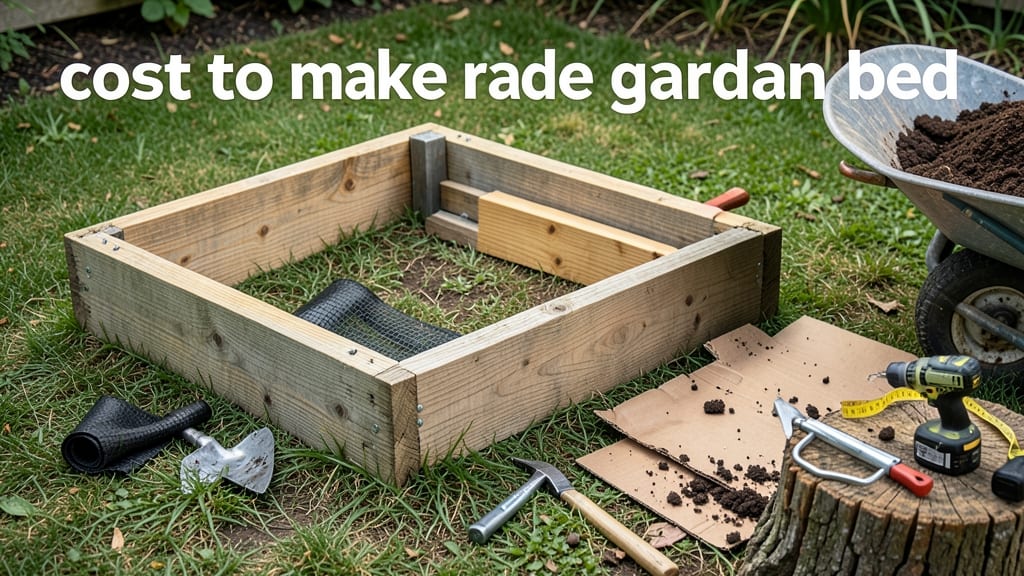
The cost to make a raised garden bed typically ranges from $50 to $500+, depending on your project's dimensions, material choices, and whether you assemble it yourself or purchase a pre-built kit. Cedar or redwood lumber for a standard 4x4x8 ft bed costs $150–$300, while opting for smaller sizes or repurposed materials can slash expenses. Don't forget to budget an additional $50–$200 for soil, drainage layers, and fasteners.
The price swings wildly based on what you choose to build with. 🌱 For example, using pressure-treated pine instead of cedar can cut lumber costs by nearly half, while composite lumber (though pricier upfront) lasts longer and resists rot.
I've seen DIYers save hundreds by sourcing scrap wood from local sawmills or using cinder blocks as the base—both options drastically reduce material expenses. The real cost-saver, though, is planning ahead: measuring twice, buying in bulk, and avoiding overpriced pre-mixed soil blends.
What many beginners overlook is the hidden cost of soil quality. 💰 A 4x8 ft bed needs 2–3 cubic feet of quality gardening mix, which can run $30–$60 per bag if you buy premium organic soil.
Skimping here means poor drainage or nutrient deficiencies down the line. My advice? Mix your own with 60% topsoil, 30% compost, and 10% perlite—it costs about half as much and performs better.
💡 In This Article
- Raised Garden Bed Cost Factors by Material Type
- Budget-Friendly DIY Raised Garden Bed Tips
Raised garden bed cost factors by material type
The material you choose for your raised garden bed frame directly impacts both upfront costs and long-term durability. Cedar and redwood are premium options because they naturally resist rot and insects, but their price reflects this—expect to pay $150–$300 for 4x4 ft boards that are 8 ft long.
These woods contain natural oils that make them last 10–15 years without treatment, while pressure-treated pine (a budget alternative) costs $50–$100 for the same size but may need replacement in 5–7 years due to chemical breakdown.
Composite lumber offers another middle-ground option, combining recycled wood fibers with plastic binders. A 4x8 ft composite frame runs $200–$400 but eliminates rot entirely and requires no staining or sealing. The trade-off? It’s heavier to assemble and can feel less "natural" in a garden setting.
For ultra-budget builds, repurposed materials like cinder blocks ($1–$3 each) or pallet wood (often free from local businesses) can cut costs dramatically—though they may lack the polished look of traditional lumber.
Size plays a surprisingly large role in cost per square foot. A 4x4 ft bed uses about 12 linear feet of 6-inch-wide boards, while a 4x8 ft bed doubles that to 24 linear feet.
This means your material costs scale non-linearly—doubling the length doesn’t just double the price, it often triples it due to waste and additional fasteners. For example, a 4x4 ft cedar bed might cost $150, but a 4x8 ft version jumps to $250–$350 for the same height and thickness.
Labor costs can add $100–$300 if you hire professionals, but DIY saves significantly—especially when you borrow tools or split costs with neighbors. Renting a circular saw for $40/day or using a friend’s drill cuts tool expenses to near zero.
The real time-saver? Pre-cut lumber kits, which run $50–$150 more than raw boards but eliminate measuring and cutting errors. I’ve seen DIYers save $200+ by skipping kits and doing the work themselves over a weekend.
Don’t overlook the "invisible" costs like drainage layers and soil. A 4x8 ft bed needs 2–3 cubic feet of gravel or landscape fabric for drainage, adding $20–$50.
Soil is where budgets often spiral—pre-mixed garden soil costs $30–$60 per bag, but mixing your own (topsoil + compost + perlite) cuts costs by 50%. The sensory payoff? Homemade mixes smell fresher and drain better, preventing waterlogged roots that stifle plant growth.
Pro tip: Measure your space twice before buying materials. A 4x8 ft bed sounds standard, but if your yard has irregular edges, you might need 4x7.5 ft boards to fit perfectly—wasting $50+ on extra lumber.
Always buy 10–15% more than calculated to account for cuts and mistakes. The extra $20–$30 now prevents costly last-minute trips to the lumberyard.