
How To
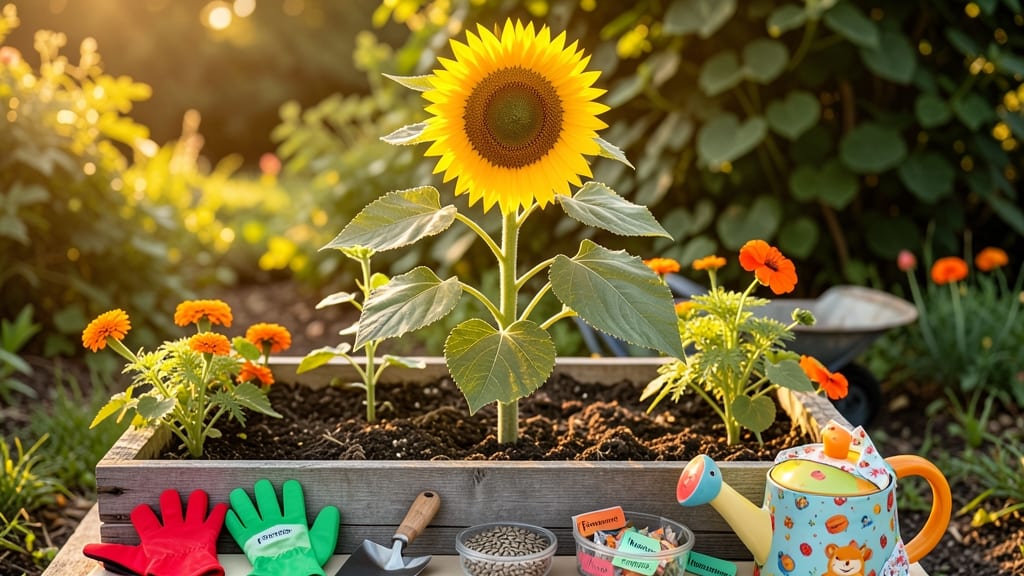
Children's garden projects using recycled materials spark creativity while teaching sustainability—create seed bombs from clay and wildflower seeds or transform plastic bottles into mini planters for hands-on planting fun.
Kids love turning trash into treasure, and these projects prove that gardening can be both fun and eco-friendly. 🌱 By repurposing everyday items like plastic containers or cardboard boxes, children learn how waste reduction directly impacts their environment.
The hands-on nature of these activities also builds fine motor skills while fostering a lifelong appreciation for nature's cycles.
What makes these projects especially engaging is how they adapt to different skill levels. Younger kids can start with simple seed bombs, while older children might design entire mini-garden ecosystems using recycled materials.
The best part? Each project doubles as a science lesson—whether it's observing seed germination or understanding how different materials decompose over time.
💡 In This Article
- How Recycled Materials Support Eco-Friendly Gardening
- Top 5 Simple DIY Garden Projects for Kids with Recycled Supplies
How recycled materials support eco-friendly gardening
Recycled materials transform gardening into a tangible lesson in sustainability by diverting waste from landfills. When kids repurpose items like plastic bottles or cardboard, they directly reduce the 292 million tons of household waste generated annually in the U.S. alone.
The key mechanism here is circular economy principles—where materials serve multiple purposes before decomposition. For example, a milk jug becomes a planter, avoiding both plastic pollution and the need for new resources.
The environmental benefits extend beyond waste reduction. Many recycled materials like egg cartons or newspaper decompose naturally, adding organic matter to soil. Clay-based seed bombs, made from composted paper and soil, break down completely after planting, leaving no trace.
What's fascinating is how these projects mirror nature's own recycling systems—just like fallen leaves enrich soil, repurposed materials nourish young plants while teaching kids about nutrient cycles. 🌱
Safety is another critical factor. Most household recyclables are non-toxic after cleaning, making them ideal for young gardeners. Unlike commercial planters that may contain harmful plastics or dyes, recycled containers let children observe firsthand how materials interact with plants.
For instance, a yogurt cup's porous surface allows excess water to drain, preventing root rot—a practical lesson in plant physiology that's far more memorable than textbook diagrams.
These projects also address the growing concern about microplastics in ecosystems. When kids use natural fibers like burlap sacks or untreated wood, they avoid introducing synthetic particles that harm soil microbes. The tactile experience of working with organic materials creates a deeper connection to nature's cycles, from decomposition to regeneration.
What most parents don't realize is how these simple activities build ecological literacy—children learn that every gardening choice has environmental consequences.
Consider the case of plastic bottle planters: they demonstrate how materials can serve multiple lifetimes. A 2-liter soda bottle might start as a container, become a seedling home, then a compost bin after its gardening purpose ends.
This lifecycle thinking is exactly what sustainability experts aim to instill in young minds. The projects become living examples of how small actions—like choosing recycled materials—create meaningful environmental impact.
For educators, these materials offer a perfect bridge between theory and practice. When teaching about photosynthesis, for example, kids can grow beans in a repurposed tin can while observing how light affects growth.
The hands-on nature makes abstract concepts concrete. This approach aligns perfectly with current environmental education standards that emphasize experiential learning over passive instruction.