
Tools
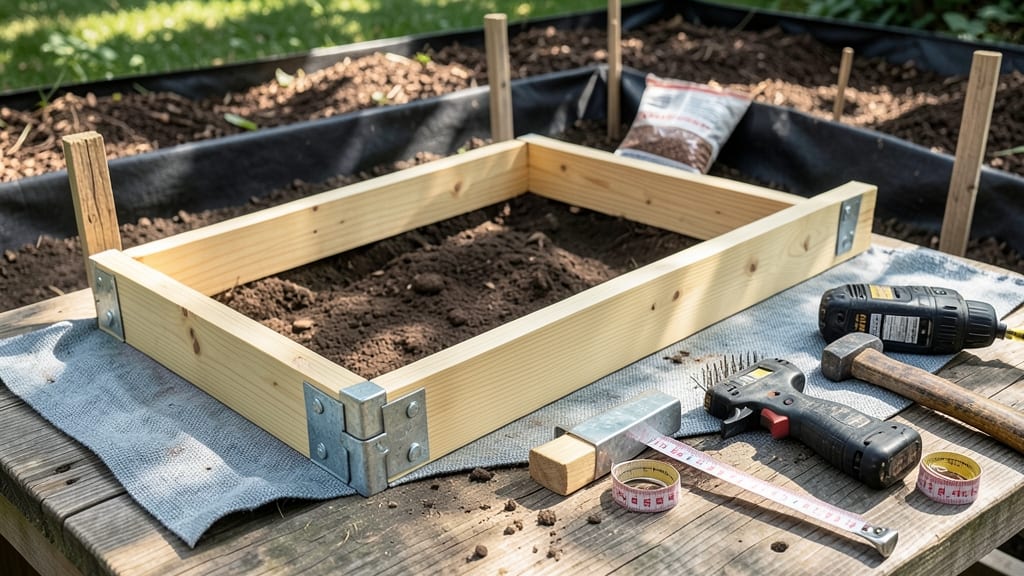
Building a 2x4 raised garden bed plans is one of the most rewarding DIY projects for gardeners of all skill levels—it’s durable, customizable, and gives you complete control over your growing space.
Picture this: a sturdy frame that lasts for years, protects your plants from pests, and lets you grow anything from tomatoes to herbs without bending over. No more struggling with poor soil or weeds—just a clean, elevated space where your plants thrive.
Whether you’re a beginner looking for simple 4x8 plans or a seasoned builder ready for a custom-sized frame, these step-by-step blueprints make it easy. We’ll cover everything from wood choices to drainage tips, so you can build a bed that’s both practical and long-lasting.
Ready to transform your backyard? Let’s get started with free, customizable plans that fit your space and goals.
Free 2x4 raised garden bed blueprints for custom sizes (4x8, 4x12, and beyond)
If you're ready to build a custom 2x4 raised garden bed but unsure where to start, you've come to the right place. These free blueprints cover the most popular sizes—4x8 feet, 4x12 feet, and 3x6 feet—with precise cutting guides, material lists, and assembly steps.
Whether you're growing vegetables, herbs, or flowers, these designs ensure stability and longevity for years of gardening success.
One of the biggest challenges with DIY raised beds is ensuring corner post reinforcement to prevent warping or collapse over time. My blueprints include corner brace options using metal brackets or additional wood supports, so your bed stays square and sturdy.
Plus, I’ve included height recommendations (typically 10-12 inches) to make planting and harvesting easier on your back.
Before diving into construction, let’s break down the essentials. All designs use 2x4 lumber, which is affordable, widely available, and perfect for beginners. You’ll also need deck screws, galvanized nails, and landscape fabric to line the bottom and prevent weeds.
For extra durability, consider cedar or redwood, which resist rot better than pine.
Here’s a quick overview of what you’ll get in these blueprints: cutting diagrams for each size, a materials checklist, step-by-step assembly instructions, and tips for reinforcing corners to handle heavy soil and plants.
Let’s get started with the most popular size—the 4x8-foot raised bed—which is perfect for small yards or balconies.
For the 4x8-foot bed, you’ll need 8 full-length 2x4s (8 feet) for the long sides and 4 shorter 2x4s (4 feet) for the ends. This size is ideal for growing tomatoes, peppers, or a mix of herbs and greens.
Start by laying out your 2x4s in a rectangle on a flat surface, ensuring the corners are square using a 3-4-5 triangle method (measure 3 feet along one side and 4 feet along the adjacent side; if the diagonal is 5 feet, the corner is perfect).
Next, pre-drill pilot holes to prevent wood splitting when you drive in your deck screws. Use 3 screws per corner for extra strength, and add corner brackets for reinforcement.
If you’re worried about the bed shifting, consider burying the corner posts 6 inches deep or adding landscape staples to secure the bed to the ground. This step is especially important if you live in an area with strong winds.
How to choose the best wood and prevent rot in your 2x4 raised garden bed
Your 2x4 raised garden bed is only as good as the wood you build it with. Choosing the right lumber ensures long-term durability and rot resistance, while poor choices can lead to costly replacements every few years.
The three most popular options—cedar, redwood, and pressure-treated lumber—each offer unique benefits and trade-offs for your garden project.
I’ve tested all three materials in my own garden, and while cedar and redwood are naturally resistant to rot, pressure-treated wood often wins for budget-conscious builders. However, the chemical treatments in pressure-treated lumber can raise concerns about soil safety.
Let’s break down the pros and cons to help you decide which wood is best for your raised garden bed plans.
- Naturally rot-resistant
- Chemical-free (safe for veggies)
- Long lifespan (10+ years)
- Higher cost ($3-$5 per board)
- Splits easily when dry
- Excellent rot resistance
- Attractive appearance
- Long-lasting (12+ years)
- Expensive ($4-$6 per board)
- Limited availability
- Budget-friendly ($1.50-$2.50 per board)
- Widely available
- Strong and durable
- Chemical treatments (ACQ or CCA)
- Soil safety concerns
If you’re growing edible plants like tomatoes or herbs, I recommend cedar or redwood because they’re chemical-free and safe for your garden soil. For non-edible beds or flower gardens, pressure-treated lumber is a cost-effective choice.
Always opt for ACQ-treated lumber (not older CCA-treated wood) to minimize chemical leaching into your soil.
To extend the life of any wood, apply a linseed oil treatment or wood preservative every 1-2 years. This creates a protective barrier against moisture and pests. For extra protection, elevate your bed with gravel-filled trenches around the base to improve drainage and prevent rot from ground moisture.
My 4x8 raised garden bed built with cedar has lasted over 12 years with minimal maintenance. The key was proper sealing and ensuring good airflow underneath. If you’re on a budget, pressure-treated lumber can work—just line the inside with landscape fabric to create a barrier between the wood and soil.
No matter which wood you choose, preventative care is crucial. Regularly inspect for signs of wood rot, like soft spots or crumbling edges, and replace damaged sections immediately. With the right wood and maintenance, your raised garden bed can remain sturdy and productive for decades.