
Container Gardens
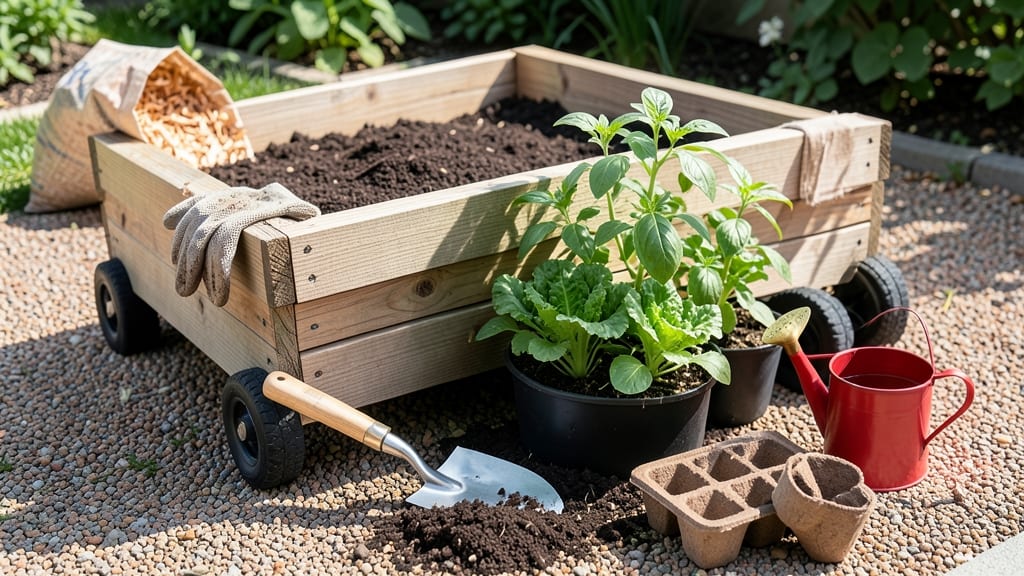
Portable raised garden beds let you grow fresh veggies and herbs anywhere—even on balconies or patios—without the hassle of heavy, permanent structures.
Picture this: You’re finally ready to grow your own tomatoes, but your backyard is too shady, or your apartment balcony is too small for a full garden. That’s where these lightweight, movable beds come in, giving you the flexibility to chase the sun or swap spots as your space changes.
Unlike traditional in-ground gardens, portable raised beds are built for easy relocation, so you can adjust them seasonally or even move them indoors during harsh weather. Plus, they’re perfect for small spaces, urban gardening, or temporary setups where permanent planting isn’t an option.
In this guide, I’ll break down the best lightweight materials, how to choose the right size for mobility, and top brands that make setup a breeze—so you can start growing without the weight of commitment.
Best lightweight materials for portable raised garden beds
When designing portable raised garden beds, the material you choose makes all the difference in how easily you can move them. Lightweight yet durable materials ensure your beds stay mobile without compromising strength.
I’ve tested four top options—cedar, composite lumber, recycled plastic, and aluminum—to help you pick the perfect fit for your space and needs.
Portability isn’t just about weight; it’s also about handling ease and weather resistance. Cedar, for example, is naturally rot-resistant but heavier than plastic. Meanwhile, aluminum offers rust-proof durability but may lack the aesthetic appeal of wood. Let’s break down the trade-offs so you can make an informed decision.
Weight is the #1 factor for mobility. A 4x8-foot bed made of cedar can weigh 150–200 lbs when filled with soil, while recycled plastic versions often tip the scales at just 50–80 lbs. Even a slight reduction in weight can make moving your bed significantly easier, especially if you’re dealing with uneven terrain.
Below is a detailed comparison of the four best materials, including their weight per square foot, durability, and maintenance requirements. This will help you decide which option aligns best with your gardening goals and lifestyle.
Cedar is a classic choice for raised beds, prized for its natural resistance to rot and insects. It’s heavier than plastic or aluminum but offers a timeless, rustic look that blends seamlessly into any garden. If you’re willing to invest in annual sealing, cedar can last 15–20 years or more, making it a cost-effective long-term option.
For those who want low-maintenance durability, composite lumber is an excellent alternative. Made from a mix of wood fibers and plastic, it resists warping, cracking, and pests without needing sealants. It’s slightly lighter than cedar but still sturdy enough to support heavy plants like tomatoes or peppers.
Recycled plastic is the lightest option, weighing as little as 0.5 lbs per square foot. This makes it ideal for small urban gardens or balconies where space is limited. However, plastic beds can get hot in direct sunlight, which may require shading for heat-sensitive plants like lettuce or spinach.
Aluminum is the unsung hero for heavy-duty portability. It’s rust-proof, lightweight, and won’t warp over time. While it lacks the warmth of wood, aluminum beds are perfect for container gardening enthusiasts who prioritize mobility and longevity. Just be mindful that aluminum can conduct heat, which may require insulating the bed’s base.
If you’re DIY-inclined, combining materials—like using aluminum frames with cedar or composite panels—can give you the best of both worlds. For example, an aluminum frame provides structural support, while cedar panels add natural beauty. This hybrid approach is gaining popularity among gardeners who want both durability and aesthetics.
No matter which material you choose, remember to prioritize drainage holes and <
How to choose the right size and design for mobility
Selecting the perfect portable raised garden bed starts with balancing mobility and functionality. Your bed should be easy to move but still sturdy enough to support your plants. The key is finding the right dimensions, handles, and wheels that match your gardening needs and space constraints.
First, consider your garden space. A 4' x 8' bed is ideal for most gardeners, offering enough room for a variety of plants while remaining manageable to move. However, if you're working in a small urban area, a 2' x 4' bed might be more practical.
Always prioritize accessibility—ensure you can reach the center of the bed without straining.
- 📏 Size Guidelines
- 🌱 Small (2' x 4'): Perfect for herbs, salad greens, and small veggies like radishes or lettuce. Lightweight and easy to move.
- 🌿 Medium (4' x 8'): Ideal for tomatoes, peppers, and bush beans. Offers enough space for multiple plants while staying manageable.
- 🌳 Large (8' x 12'): Best for heavy crops like corn or large squash. Requires stronger materials and assistance for moving.
- 🔧 Mobility Features
- ✂️ Handles: Install sturdy D-handles on both sides for easy gripping. Look for ergonomic designs to reduce wrist strain.
- 🛴 Wheels: Use locking casters for stability when stationary and smooth movement when relocating. Opt for 4 wheels for balance.
- 🔄 Foldable Designs: Choose beds with collapsible sides or detachable panels to save space during storage or transport.
- 🌡️ Material Considerations
- 🪴 Lightweight Materials: Opt for recycled plastic or aluminum frames to keep weight under 50 lbs for easy mobility.
- 💧 Drainage Holes: Ensure your bed has pre-drilled holes at the bottom to prevent waterlogging and reduce overall weight.
When designing for mobility, focus on weight distribution. A bed that's too top-heavy or unevenly weighted will be difficult to move. Fill your bed with a soil mix that’s lightweight yet nutrient-rich, like a blend of 60% topsoil, 30% compost, and 10% perlite.
This keeps the bed lighter while providing excellent drainage and aeration for your plants.
Don’t overlook the importance of handles and wheels. Install D-handles on both sides of the bed to distribute weight evenly when lifting. For wheels, choose locking casters—they provide stability when the bed is stationary and roll smoothly when you need to relocate it.
If you’re moving your bed frequently, consider adding a tow handle for extra leverage.
For those with limited space, a foldable design can be a game-changer. Look for beds with detachable sides or collapsible frames. These designs allow you to disassemble the bed when not in use, making storage and transport a breeze.
Just ensure the materials are durable enough to withstand repeated folding and unfolding.
Finally, test your bed’s mobility before planting. Lift it, move it, and check for any wobbling or instability. If it feels too heavy or awkward to handle, consider adjusting the soil mix or upgrading to a lighter material.
The goal is to create a bed that’s as easy to move as it is to garden in!