
Container Gardens
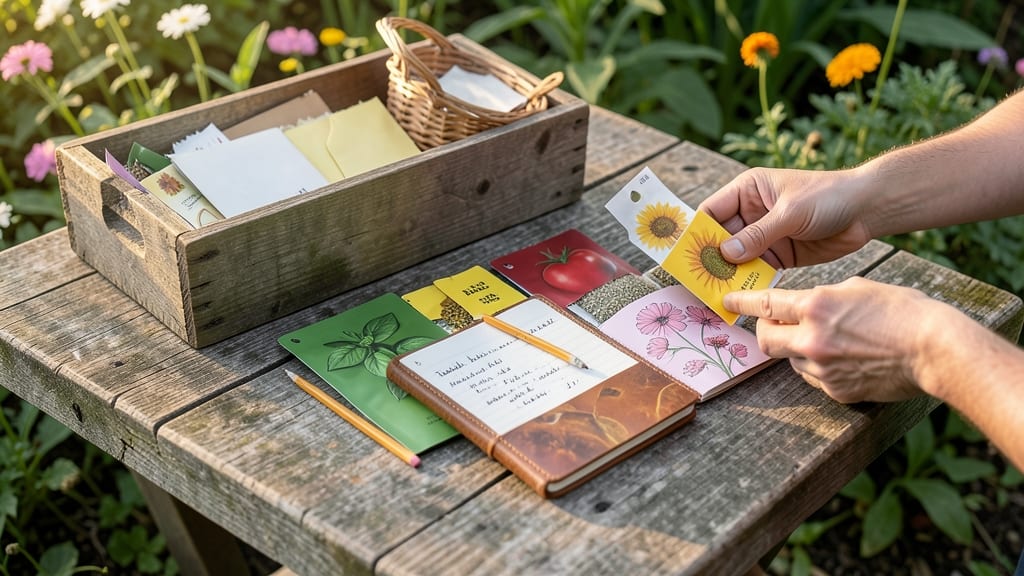
You can trade seeds in Grow a Garden, but the platform has strict guidelines to block invasive species, restricted plants, and patented varieties. Always review their seed trading policy before listing heirloom, non-GMO, or region-specific seeds to prevent account issues.
Grow a Garden allows seed trading to connect gardeners, but their rules protect biodiversity and prevent ecological harm. 🌱 The platform bans seeds from invasive plants like kudzu or noxious weeds, requiring sellers to verify sources and avoid restricted varieties. This helps maintain healthy ecosystems while fostering community sharing.
Before listing seeds, check if your varieties comply with local regulations—some states restrict certain heirlooms or hybrids. I recommend taking clear photos of seed packets and describing their growth traits honestly to build trust with buyers.
For rare seeds, include origin details and any special care instructions to ensure successful trades.
The platform also discourages trading patented seeds to respect intellectual property rights. Always prioritize transparency about seed origins and intended uses. When shipping internationally (if allowed), confirm customs requirements for plant materials in advance to avoid delays or confiscation.
💡 In This Article
- Grow a Garden’s Seed Trading Rules Explained
- How to Safely Trade Seeds on Grow a Garden
Grow a Garden’s seed trading rules explained
The platform’s rules exist to protect ecosystems and prevent ecological damage. Grow a Garden explicitly bans seeds from invasive species like kudzu (Pueraria montana) or mile-a-minute vine (Persicaria perfoliata), which can disrupt local plant communities.
These species outcompete native flora, reducing biodiversity. The platform also prohibits noxious weeds such as Canada thistle (Cirsium arvense) or cheatgrass (Bromus tectorum), which can dominate landscapes and harm agriculture.
Seed source verification is mandatory to ensure legitimacy. Sellers must document whether seeds are heirloom (open-pollinated), hybrid (F1 generation), or GMO (genetically modified). For example, listing non-GMO heirloom tomatoes requires proof of organic or non-engineered origins.
The platform flags suspicious claims—like "100% organic" without certification—by cross-referencing with databases like the USDA Organic Seal or Non-GMO Project Verified labels.
Patented varieties (e.g., Enza Zaden or Syngenta seeds) are restricted to comply with intellectual property laws. Trading these can lead to account suspension, as the platform enforces Plant Variety Protection (PVP) rights. For instance, selling seeds from a patented cucumber like 'Tyria' without permission violates licensing agreements.
The platform also scrutinizes region-specific seeds—like those adapted to USDA Hardiness Zone 5—to prevent ecological mismatches when traded across climates.
Documentation requirements include clear photos of seed packets (showing labels) and detailed descriptions of traits like disease resistance or maturity time. For example, listing 'Black Krim' tomatoes should specify their 90-day harvest window and crack-resistant skin.
Misrepresenting traits—like claiming a seed is "drought-proof" without evidence—triggers moderator reviews. The platform’s algorithm flags listings with vague descriptions, such as "great for gardens," as low-quality.
Why these rules matter: Invasive species cost the U.S. $120 billion annually in control efforts (USDA report). By enforcing strict policies, Grow a Garden reduces risks while fostering ethical seed sharing.
For example, trading native wildflowers (like Echinacea purpurea) supports pollinators, whereas trading exotic ornamentals (like Himalayan balsam) could harm local ecosystems. Always check the platform’s Seed Trade Policy before listing to avoid violations.
Pro tip: Use the platform’s built-in seed legality checker to verify varieties. For rare seeds, include a seed-saving guide (e.g., "Store in a cool, dark place at 35-40°F") to educate buyers and build trust. Transparency builds community credibility—just ask any seasoned trader!