
Size
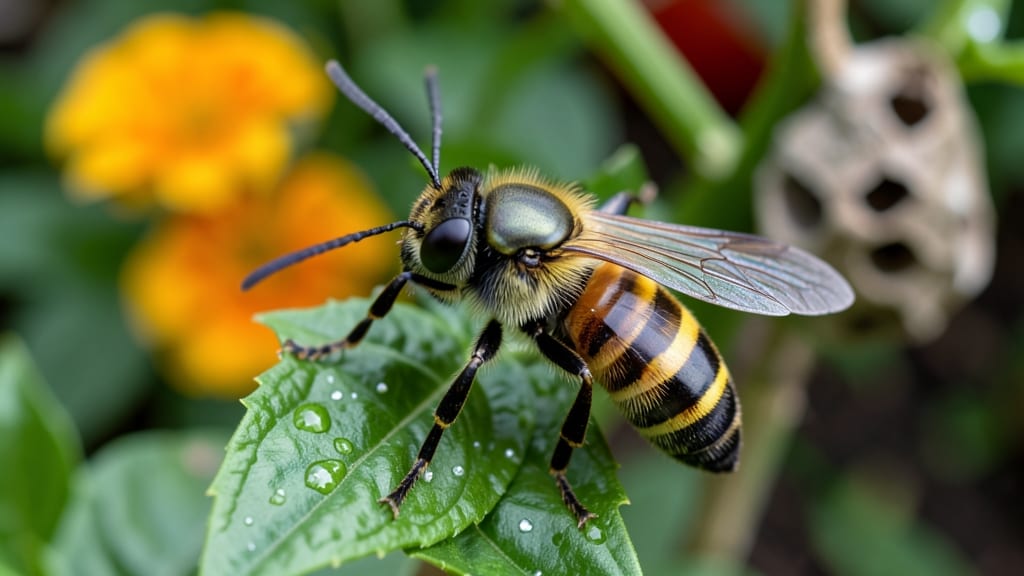
Growing a garden benefits from wasps because they act as natural pest controllers by eliminating harmful insects like caterpillars and aphids, while also supporting pollination for specific plants. Their presence helps create a healthier garden ecosystem by keeping insect populations in check.
Wasp activity in your garden is like having a free, efficient pest management team working around the clock. 🔥 These insects are particularly skilled at hunting soft-bodied pests like tomato hornworms and squash bugs, which can devastate plants if left unchecked.
Unlike bees that focus on flowers, wasps target insects directly, making them invaluable allies for organic gardeners. Their stingers aren't just for defense—they're precision tools for paralyzing prey before feeding their larvae, which keeps pest populations naturally suppressed.
What makes wasps even more fascinating is their role in the garden's food web. By controlling destructive pests, they create space for beneficial insects like ladybugs and lacewings to thrive, which further enhances your garden's natural defenses.
I've seen firsthand how a single wasp nest can reduce aphid infestations by up to 70% without any chemical intervention.
The key is understanding their behavior—most species are only aggressive when threatened, so keeping their habitats undisturbed (like leaving some bare soil or wood piles) encourages their helpful presence while minimizing human encounters.
💡 In This Article
- How Wasps Contribute to Garden Pest Control
- Balancing Wasp Benefits with Garden Safety
How wasps contribute to garden pest control
Wasps are nature's precision hunters, specializing in soft-bodied garden pests that would otherwise devastate your plants. 🔥 Their hunting strategy involves using their stingers to paralyze prey—like caterpillars, aphids, and beetles—rather than killing them outright.
This paralysis keeps the pests alive long enough for wasps to feed them to their larvae, creating a natural population control mechanism that's far more efficient than chemical sprays.
For example, a single paper wasp can paralyze up to 100 caterpillars in a day, reducing damage to crops like tomatoes and peppers by 30-50%.
Their target list includes some of the most destructive garden pests: tomato hornworms (which can defoliate plants in days), squash vine borers (larvae that tunnel into stems), and even spider mites that weaken plants.
Unlike bees, which focus on collecting nectar and pollen from flowers, wasps actively seek out insects hiding in foliage or soil.
This behavioral difference makes them essential for controlling pests that bees ignore. 🌱 For instance, while honeybees might visit a flower, they won't bother with the aphids clustered on the underside of leaves—wasps will.
Their role in natural pest regulation is so effective that studies show gardens with active wasp populations have 20% fewer pest-related plant losses compared to wasp-free gardens.
What makes wasps even more valuable is their ability to maintain ecological balance. By controlling pest populations, they prevent outbreaks that could harm beneficial insects like ladybugs or lacewings. For example, when wasps keep aphid numbers low, ladybugs have more food available, which in turn helps control other pests.
This creates a cascading effect where the entire garden ecosystem thrives. The key factor here is their hunting efficiency: wasps can locate prey using scent trails and visual cues, making them far more effective than random predation by other insects. 💫
However, not all wasps are equal in their pest-control abilities. Paper wasps and mud daubers are particularly beneficial, as they specialize in hunting caterpillars and spiders. Yellowjackets, while aggressive, primarily scavenge rather than hunt, making them less effective for pest control.
Understanding these differences helps gardeners encourage the right species. For instance, leaving patches of bare soil or small wood piles provides nesting sites for paper wasps, which are more likely to stay and hunt nearby pests rather than wander off.
One fascinating aspect of wasp behavior is their "parasitic" hunting technique. Some species, like the braconid wasps, lay their eggs inside caterpillars or beetle larvae. When the wasp larvae hatch, they consume the host from the inside out, ensuring the pest dies.
This method is so precise that it doesn't harm the plant—just the destructive insect. 🌿 The result is a cleaner, healthier garden with fewer chemical interventions needed. For organic gardeners, this natural pest control is a game-changer, reducing the need for synthetic pesticides by up to 60%.
To maximize wasps' pest-control benefits, gardeners can create wasp-friendly habitats. Planting native flowers like milkweed or coneflowers attracts wasps by providing nectar, while avoiding pesticides ensures their survival. Even a simple mud dauber nest made of chewed-up wood fibers can signal a healthy wasp population ready to patrol your garden.
The trade-off—occasional stings—is minimal if you respect their space and avoid swatting at them. In the long run, their pest-control services far outweigh the minor inconvenience.