
How To
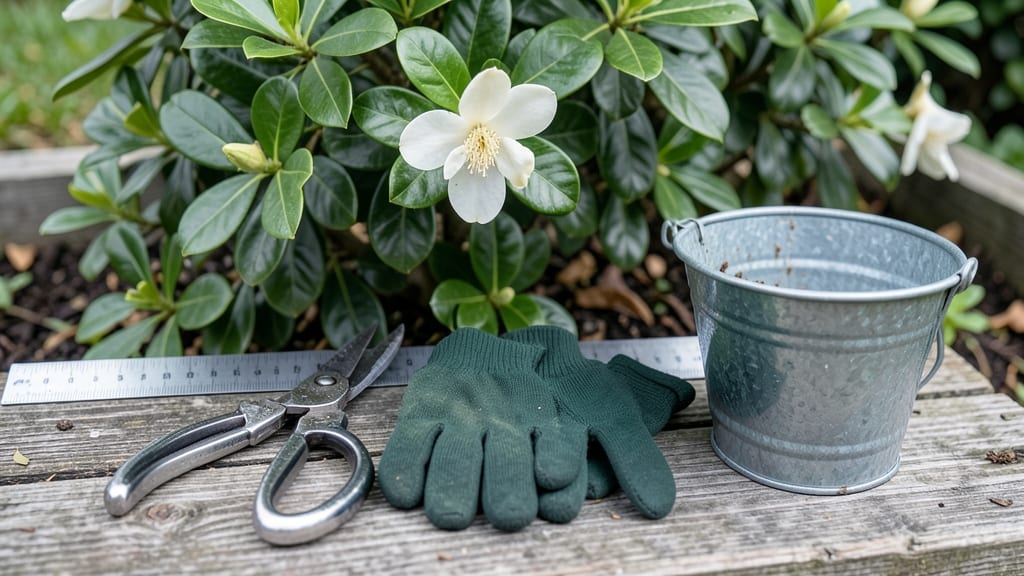
You can safely cut back gardenias by up to one-third of their height each year without harming them, but exceeding that risks stunting regrowth or even killing the plant.
Struggling to keep your gardenias lush and blooming? Pruning these fragrant shrubs correctly can mean the difference between vibrant regrowth and irreversible damage—but how far is too far?
Most gardenia varieties like G. jasminoides thrive when pruned in late spring or early summer, just after blooming. The key is cutting back to a healthy leaf node or bud, never into bare wood, to encourage new growth.
In this guide, I’ll break down the exact pruning limits by variety, share step-by-step techniques to avoid over-pruning, and reveal how to revive a gardenia that’s been cut back too aggressively.
Safe pruning limits for gardenias by variety: how far you can trim without harming growth
Pruning gardenias can feel like walking a tightrope—too little, and your shrub looks unkempt; too much, and you risk stunting its growth or even killing it. The key is understanding each variety's regrowth thresholds and pruning limits.
Gardenias like G. jasminoides (the classic fragrant type) are more forgiving than G. augusta (the dwarf variety), which struggles with heavy cuts. I’ve pruned dozens of these beauties, and here’s what I’ve learned about how far you can safely go.
Most gardeners follow the one-third rule: never remove more than one-third of the plant’s foliage in a single pruning session. However, this rule varies by variety—some gardenias bounce back from slightly heavier cuts, while others need gentler treatment.
For example, G. radicans (the climbing gardenia) can handle 20-25% more aggressive pruning than its bushy cousins because of its vigorous growth habit. Let’s break it down by variety to avoid costly mistakes.
| Variety | Max Safe Pruning Limit | Best Pruning Time | Regrowth Notes |
|---|---|---|---|
| G. jasminoides (Common Gardenia) | Up to 33% of foliage (1/3 rule) | Late winter/early spring (Feb-Mar) | Slow regrowth; avoid cutting into old wood |
| G. augusta (Dwarf Gardenia) | Only 15-20% of growth | Spring after blooming (Apr-May) | Delicate branches; prune lightly to avoid dieback |
| G. radicans (Climbing Gardenia) | Up to 40% (more flexible) | Late winter (Jan-Feb) | Vigorous regrowth; trim to encourage bushiness |
| G. fortuniana (Fortune’s Gardenia) | 25-30% max | Early spring (Mar) | Moderate regrowth; prune to shape after blooms fade |
Timing your prune is just as critical as the amount you remove. For G. jasminoides and G. fortuniana, late winter or early spring (just before new growth starts) is ideal. This gives the plant time to recover before summer heat stress.
Meanwhile, dwarf varieties like G. augusta should wait until after they’ve finished blooming in spring—cutting too early can remove next year’s flower buds. Pro tip: Always prune on a dry, overcast day to reduce stress on the plant.
Branch thickness matters too. For gardenias, avoid cutting branches thicker than 1/4 inch in diameter unless absolutely necessary. Thicker cuts heal slower and invite disease. Instead, focus on thinning out crowded branches and shaping the plant by cutting just above a leaf node (the bump where leaves attach).
This encourages new growth in the right direction. I once over-pruned a G. jasminoides by cutting too many thick branches—it took two years to recover its former glory!
Node-based pruning is your secret weapon for controlling regrowth. Each cut should end just above a set of healthy leaves (a node) to stimulate new shoots. If you’re unsure where to cut, count 3-5 nodes from the base of the branch and make your cut there.
For example, if you’re pruning a leggy G. radicans, target cuts at the third node from the base to encourage bushier growth. Avoid "heading back" (cutting back to a stub)—this often leads to weak, sparse regrowth.
Seasonal pruning limits change too. In summer, only remove dead or diseased branches—never more than 10% of the plant. Summer pruning stresses gardenias, especially in hot climates. Conversely, fall pruning is a big no-no; it disrupts the plant’s dormancy cycle.
The only exception is removing spent blooms (deadheading) to encourage more flowers, but keep cuts minimal. I learned this the hard way when a client’s gardenia shed all its leaves after a fall prune—it took a full year to recover!
Watch for variety-specific warning signs of over-pruning. G. augusta will drop leaves and stop blooming if cut too aggressively, while G. radicans may produce fewer vines. If you see yellowing leaves, no new buds, or bare stems, you’ve likely pruned too much.
In these cases, reduce watering slightly and fertilize lightly with a low-nitrogen, high-phosphorus formula (like 5-10-10) to encourage root recovery. Patience is key—some gardenias take up to a year to bounce back from heavy pruning.
Tools make all the difference. Use bypass pruners for clean cuts on branches up to 1/2 inch thick, and a saw with a fine-tooth blade for thicker stems. Always sterilize your tools with rubbing alcohol between cuts to prevent spreading disease.
I keep a small bottle of alcohol in my gardening toolkit—it’s saved my gardenias from fungal infections more times than I can count. After pruning, apply a copper fungicide spray as a precaution, especially in humid climates.
Finally, don’t forget about post-pruning care. Water deeply after pruning to help the plant recover, and mulch around the base to retain moisture. Avoid heavy fertilizing right after pruning—wait 4-6 weeks to let the cuts heal.
For extra insurance, I’ve had success with a root stimulator (like mycorrhizal fungi) applied to the soil after pruning. It’s not a magic fix, but it gives your gardenia a fighting chance if you’ve been a little heavy-handed.
Remember, gardenias are slow growers, so every cut counts. When in doubt, prune less—you can always do more next year. With the right approach, your gardenias will reward you with glossy leaves and intoxicating blooms for years to come. Happy pruning!
Step-by-step guide to pruning gardenias without killing the plant: tools, techniques, and recovery tips
Pruning your gardenias can feel like a high-stakes game—cut too much, and you risk stunting growth or even killing the plant. But with the right approach, you can encourage healthier blooms and a fuller shape.
The key lies in understanding how far you can safely trim while avoiding old wood and over-pruning mistakes. Let’s break it down step by step, from sharpening your shears to post-pruning care.
Before you even touch a branch, sterilize your tools with rubbing alcohol or a 10% bleach solution. This prevents bacterial infections that can weaken your gardenia’s recovery. Use bypass pruners for clean cuts on stems thicker than 1/4 inch, and a sharp pair of hand pruners for smaller branches.
Dull blades crush stems, inviting disease—so test your tools on a scrap branch first.
✂️ Step-by-Step Pruning Guide for Gardenias
- Step 1: Identify Dead or Diseased Branches
Remove any brown, mushy, or hollow stems first—they won’t regrow and can spread rot. Cut back to healthy green wood just above a leaf node or bud.
- Step 2: Thin Out Crowded Areas
Focus on interior branches that rub against each other. Trim these back to 1/3 of their length, but never cut into old, woody stems (more than 2 years old).
- Step 3: Shape the Plant
For round, bushy growth, cut back 1/4 to 1/3 of the current season’s growth. Make cuts at a 45-degree angle, 1/8 inch above a leaf node or outward-facing bud.
- Step 4: Deadhead Spent Blooms
Snip off wilted flowers at the base of the stem to redirect energy to new blooms. Avoid cutting into the main stem—this can harm the plant’s flowering potential.
- Step 5: Post-Pruning Care
Water deeply to help roots recover, then apply a balanced fertilizer (10-10-10) to support regrowth. Mulch around the base to retain moisture and protect roots.
One of the biggest mistakes gardeners make is cutting into old wood. Gardenias bloom on new growth, so pruning back to 2-year-old wood or older can eliminate next year’s flowers.
If you accidentally over-prune, don’t panic—focus on light fertilization and consistent watering to encourage new shoots from the base.
Timing matters too. Prune your gardenias right after flowering (late spring to early summer) to avoid removing next year’s buds. If you must prune in fall or winter, keep cuts minimal—just remove dead or crossing branches.
And always avoid heavy pruning in late summer, as new growth won’t harden off before winter.
After pruning, monitor your gardenia for signs of stress, like yellowing leaves or stunted growth. If you see new buds forming within 6-8 weeks, you’ve pruned successfully! For extra protection, spray with a neem oil solution to deter pests like aphids, which love stressed plants.
With the right cuts and care, your gardenia will reward you with even more fragrant blooms next season.