
Fertilization
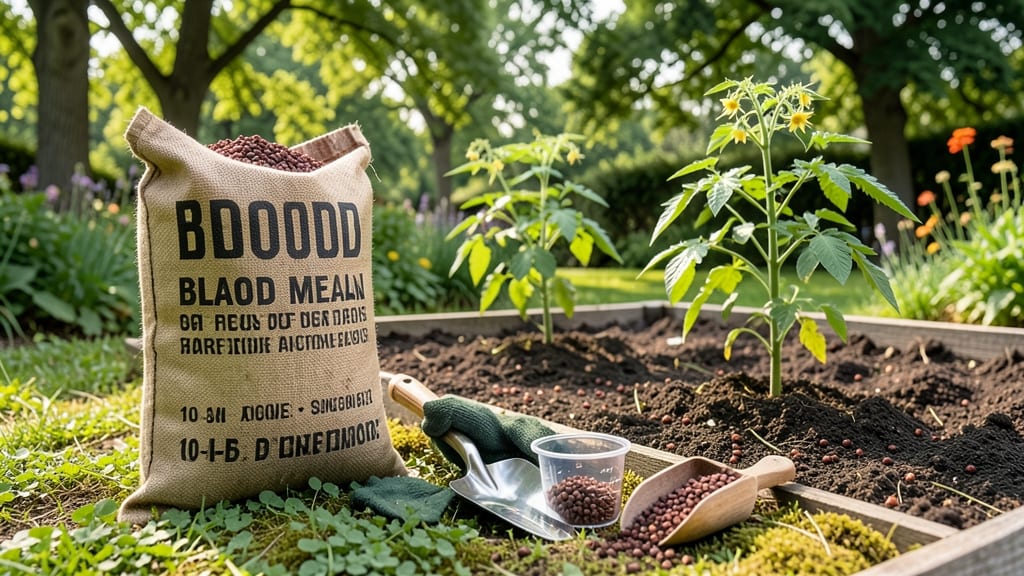
Using blood meal in gardens provides a fast nitrogen boost that fuels rapid leafy growth in vegetables and lawns, but requires precise application to prevent plant damage or over-stimulation of foliage at the cost of fruit production.
Blood meal works by breaking down into ammonia and nitrates over 4-6 weeks, feeding plants with readily available nitrogen that supports chlorophyll production. 🌱 The key is timing—leafy greens like spinach and lettuce thrive with this fertilizer, while fruiting plants (tomatoes, peppers) may need balanced supplements to avoid lush leaves but few harvests.
I've seen gardeners double their basil yield in just 3 weeks by using blood meal, but always recommend mixing it lightly into soil rather than sprinkling directly on leaves to prevent burn.
For best results, apply 1-2 tablespoons per plant in early spring or after harvesting leafy crops, then water thoroughly.
The high nitrogen content makes it ideal for lawns too, but test soil first—overuse can lead to thatch buildup. Composting blood meal also reduces odor concerns, which some gardeners find off-putting when applied fresh.
💡 In This Article
- How Blood Meal Enhances Soil Fertility
- Safety Precautions for Blood Meal Application
How blood meal enhances soil fertility
Blood meal's superpower comes from its 12-14% nitrogen content by weight, derived from dried animal blood that's been processed into a fine powder.
When applied to soil, it triggers a two-phase nutrient release: first, ammonia is released within 24-48 hours as microbes break down the protein-rich powder, followed by nitrates over 4-6 weeks as decomposition continues.
This rapid nitrogen availability explains why blood meal produces such dramatic results—leafy greens like spinach can show visible growth within 7-10 days of application.
The magic happens at the microbial level. Soil bacteria like Pseudomonas and Bacillus species colonize blood meal particles, secreting enzymes that convert the hemoglobin proteins into amino acids and eventually ammonia.
This process creates a "hot spot" of microbial activity around each blood meal particle, where nitrogen becomes immediately available to plant roots through diffusion.
The key difference from slow-release fertilizers is this immediate availability—where composted manure might take 3-6 months to release similar nitrogen levels, blood meal delivers results in weeks.
This nitrogen boost directly impacts plant physiology by stimulating chlorophyll production. Plants convert nitrates into amino acids within their leaves, which are the building blocks of proteins that drive cell expansion.
That's why you'll see basil leaves grow 30-50% larger in just 3 weeks when blood meal is applied, but also why fruiting plants may produce fewer tomatoes—they're putting all their energy into leaf growth rather than flower/fruit development.
The trade-off is why gardeners often pair blood meal with phosphorus-rich fertilizers for fruiting crops.
Timing matters because blood meal's effects are temporary. The nitrogen release peaks at 3-4 weeks before tapering off completely by 6-8 weeks. This makes it ideal for early spring applications when leafy vegetables need rapid growth, or as a side-dressing for heavy feeders like corn.
The decomposition process also creates a slightly acidic environment (pH 6.5-7.0), which benefits acid-loving plants like blueberries but may require lime adjustments for sensitive species.
What most gardeners don't realize is how blood meal interacts with soil structure. The fine powder particles create microscopic air pockets as they decompose, improving soil aeration while releasing nitrogen. This dual benefit explains why lawns treated with blood meal often show both greener color and better root development.
However, the rapid nitrogen release can overwhelm some plants—especially in hot weather—leading to that familiar "burnt leaf" symptom when applied incorrectly.
For visual learners, imagine blood meal as a fast-acting fertilizer that works like a shot of espresso for your plants—quick energy boost but not meant for long-term maintenance.
The 1:0:0 NPK ratio (nitrogen only) makes it perfect for specific growth stages but requires careful planning to avoid nutrient imbalances in the long run. 🌱