
Tools
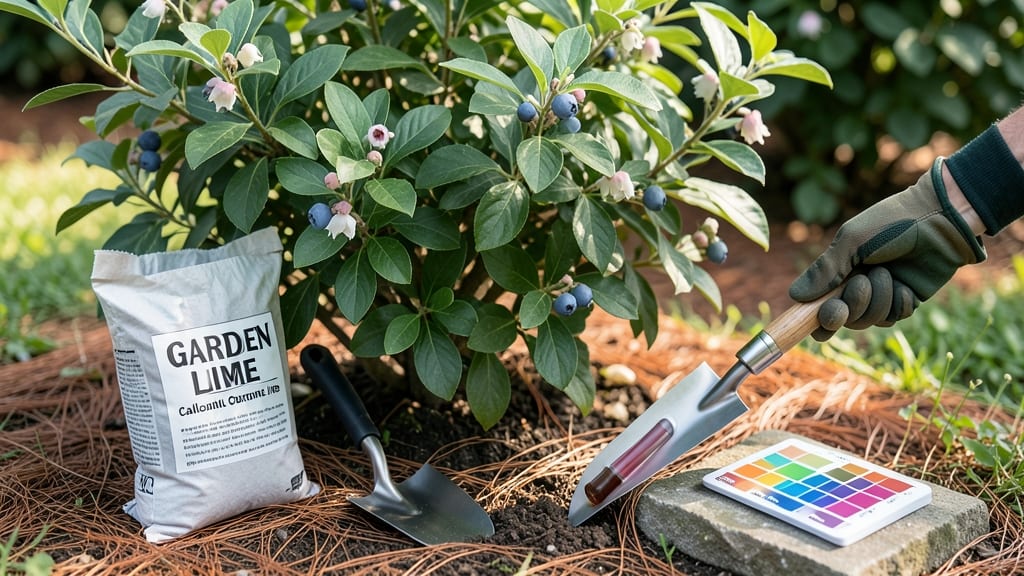
Putting lime in your garden at the right time can transform struggling plants into thriving ones—think fall or early spring for the best results.
Struggling with yellowing leaves, stunted growth, or poor blooms in your garden? The answer might be hiding in your soil’s pH—and adding lime at the wrong time could actually make things worse. 🌱
Most gardeners wait until spring to amend their soil, but that’s often too late for plants like azaleas, blueberries, and hydrangeas, which need acidic conditions.
The key is working with your soil’s natural rhythm: apply lime in fall so it has time to adjust before planting season, or in early spring if you missed the fall window.
In this guide, I’ll walk you through the best times to add lime, how to test your soil’s pH, and what signs tell you it’s time to act. No guesswork—just practical steps to get your garden back on track.
Best times of year to apply lime for optimal soil pH balance
If your garden soil feels heavy, compacted, or your plants struggle with nutrient uptake, lime might be the missing ingredient. But timing matters—applying it at the wrong season can disrupt plant health, especially for acid-loving plants like azaleas, blueberries, and hydrangeas.
The key is working with your soil’s natural cycles, not against them.
Most gardeners aim to apply lime 2–3 months before planting to give it time to adjust soil pH. This means early fall (September–October) or late winter (February–March) are ideal windows. These periods allow lime to dissolve and integrate into the soil before active root growth begins in spring.
Spring is often the worst time to add lime, especially for acid-loving plants. New roots growing in alkaline soil can suffer from nutrient lockout, leading to yellowing leaves or stunted growth.
Lime applied in spring may also wash away before it can fully adjust pH levels, wasting your effort and money.
Here’s a quick breakdown of the best times to apply lime, based on your garden’s needs:
| Season | Best Time | Why This Works | Plants to Avoid |
|---|---|---|---|
| Fall | September–October | Lime integrates over winter; soil is moist for even distribution. | Azaleas, blueberries, rhododendrons |
| Late Winter | February–March | Soil is thawing; lime has time to adjust pH before spring planting. | Hydrangeas, gardenias, camellias |
| Spring | Avoid (except for new beds) | Risk of washing away; disrupts root growth in acid-loving plants. | All acid-loving plants |
| Summer | Never | Dry soil prevents lime from dissolving; can burn roots. | All plants |
For new garden beds, you can apply lime in early spring if you’re preparing the soil months before planting. But for established gardens, fall or late winter are your best bets. This timing ensures lime has time to neutralize acidity without causing shock to existing plants.
If you’re growing acid-loving plants, consider a two-step approach: apply lime in fall for general soil health, then use sulfur or peat moss in spring to lower pH for specific plants. This balance helps you avoid over-alkalizing the soil while still supporting nutrient uptake for vegetables and flowers.
Pro tip: Always test your soil pH before applying lime. A simple home pH test kit (around $10) can tell you if your soil needs adjustment. Aim for a pH of 6.0–7.0 for most gardens, but 4.5–5.5 for acid-loving plants. Over-limeing can be just as harmful as under-limeing!
Regional climate also plays a role. In warmer climates (USDA Zones 8–10), apply lime in late winter to avoid summer dryness. In colder zones (3–7), early fall gives lime time to work before freezing temperatures set in. Always adjust based on your local frost dates.
Remember, lime takes time to work—don’t expect instant results. Re-test soil pH 3–6 months after application to confirm the adjustment. If your garden’s soil is chronically acidic, you may need to reapply lime every 2–3 years to maintain balance.
By choosing the right season, you’ll set your garden up for healthier roots, better nutrient absorption, and stronger plants all year round. Happy gardening! 🌱
How to test soil pH before adding lime: a step-by-step guide
Before adding lime to your garden, you must test your soil’s pH. Lime raises pH, but applying it blindly can damage acid-loving plants like azaleas or blueberries. A simple soil pH test ensures you apply lime only when—and where—it’s needed.
I’ll walk you through the easiest methods, from DIY home kits to lab testing, so you can make an informed decision.
Start by collecting soil samples from multiple spots in your garden. Use a clean trowel to gather 6–8 inches deep from 5–6 locations, then mix them in a bucket. Avoid areas with fresh manure or compost, as these can skew results.
Once mixed, let the sample dry slightly before testing. This ensures accurate readings and prevents contamination from organic matter.
For quick results at home, grab a soil pH test kit from your local garden center. These kits typically include a probe or liquid reagent that changes color when dipped into your soil sample.
Compare the color to the kit’s chart to determine your pH. Most kits cost under $10 and provide results in minutes. If you’re unsure about accuracy, consider sending a sample to a local agricultural extension office for professional testing.
Interpreting your pH results is key. A reading of 6.0–7.0 is ideal for most vegetables and flowers, while acid-loving plants like hydrangeas thrive at 5.0–6.0. If your soil tests below 6.0, lime may be necessary—but only if your plants show signs of nutrient deficiencies or poor growth.
Never add lime to soil that’s already alkaline (pH 7.0+), as this can worsen plant health.
⚠️ WARNING: Timing and Overapplication Can Harm Your Garden ⚠️
⚠️ Never apply lime in spring if you plan to plant acid-loving crops like potatoes or blueberries. Lime can take 2–3 months to adjust pH, raising the soil to harmful levels for these plants. Instead, add lime in early fall (3–4 months before planting) or late winter to avoid disrupting your garden’s pH balance. Overapplying lime is just as dangerous—start with half the recommended dose and retest soil in 3 months.
Once you confirm your soil needs lime, calculate the right dosage using your garden’s square footage. Most pelletized lime products recommend 1 pound per 100 square feet for every 1 point of pH adjustment needed.
For example, if your soil is at 5.5 and you want to raise it to 6.5, apply 1 lb per 100 sq ft. Spread lime evenly over the soil surface, then water it in lightly to activate the amendment.
Avoid tilling it into the soil immediately, as this can reduce its effectiveness.
After applying lime, wait 2–3 months before planting. This gives the soil time to adjust its pH naturally. Retest your soil after this period to confirm the change. If your garden still needs adjustment, you can apply a second, smaller dose of lime.
Remember, patience is key—rushing lime application can lead to imbalanced soil that harms your plants more than helps them.
With the right soil pH test and careful lime application, you’ll create the perfect growing conditions for your garden. Happy testing, and may your plants thrive with balanced, healthy soil! 🌱