
Size
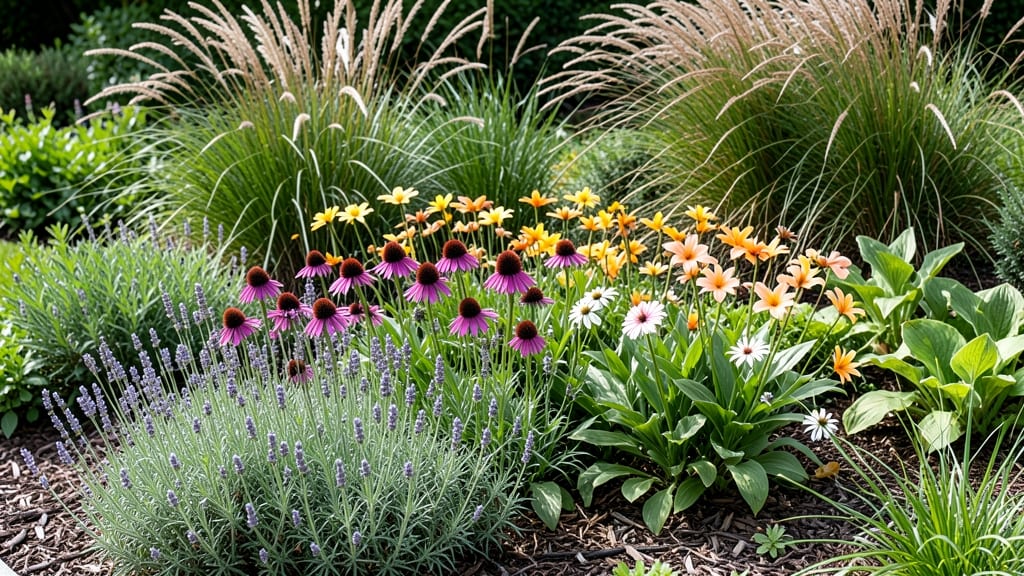
The average size of a garden varies widely based on location and home type, typically spanning 100 to 500 square feet for suburban yards, while rural gardens often reach 1,000+ square feet. Urban gardening spaces usually average 50–200 square feet due to limited outdoor areas.
Garden dimensions are shaped by more than just available land—your home's location plays a huge role.
In cities, where space is tight, many homeowners turn to container gardening or rooftop plots to maximize growing area. 💫 Meanwhile, suburban gardens often balance aesthetics with functionality, using raised beds or in-ground plots to create defined growing zones.
Rural properties, with their larger lots, allow for expansive vegetable patches, fruit orchards, or even small-scale permaculture systems that mimic natural ecosystems.
What's fascinating is how these sizes reflect broader trends. For example, suburban gardens often prioritize ornamental plants alongside edibles, while urban gardens focus on high-yield crops that thrive in containers. The key takeaway? Your garden's potential isn't just about square footage—it's about how creatively you use the space you have.
💡 In This Article
- How Home Type Affects Garden Size and Layout
- Maximizing Small Gardens: Space-Saving Techniques
How home type affects garden size and layout
Urban gardens face the most significant space constraints, typically limited to 50–200 square feet due to high-density living. These gardens often utilize balconies, rooftops, or community plots, where every inch counts.
The key factor here is vertical space—walls, trellises, and hanging planters become essential tools to maximize growing area without expanding footprint. 🌿 For example, a 10-foot by 10-foot balcony can yield 100 square feet of growing space when optimized with tiered planters and wall-mounted pockets.
Suburban gardens enjoy more flexibility, usually ranging from 100 to 500 square feet, thanks to larger yard sizes. The layout here often reflects a balance between aesthetics and productivity, with defined garden beds, pathways, and sometimes even small ponds or decorative elements.
Homeowners with half-acre lots might dedicate 200–300 square feet to vegetables while reserving the rest for flowers or lawns. HOA regulations can also play a role—some neighborhoods restrict garden height or require specific fencing, which may limit creative layouts.
Rural gardens have the most potential, often exceeding 1,000 square feet on properties with 1-acre or larger lots. Here, gardeners can experiment with large-scale planting, permaculture designs, or even small livestock integration.
The soil quality and climate in rural areas also tend to be more forgiving, allowing for year-round growing or diverse crop rotations.
For instance, a 1,500-square-foot garden on a rural property could easily support a 50-foot-long vegetable patch, a 20-tree fruit orchard, and a herb spiral—all while maintaining usable pathways and storage areas. 🌱
What most people don't realize is how yard shape impacts garden potential. A long, narrow lot (common in suburban areas) might require creative zoning to avoid long, awkward garden beds.
Meanwhile, a square or circular yard (often found in rural settings) allows for more efficient use of space and easier access to all planting areas. Even the orientation of the yard matters—south-facing plots receive more sunlight, which is critical for high-yield crops like tomatoes or peppers.
Another critical factor is home size and layout. A single-family home with a 2-car garage might have more usable outdoor space than a condo with a shared courtyard, even if the condo is in a suburban area.
Similarly, a split-level home could offer multiple garden zones (front yard, side yard, and backyard) where a ranch-style home might only have one cohesive outdoor area. These nuances explain why two homes in the same neighborhood can have vastly different garden sizes and layouts.
Consider this comparison: A 1,800-square-foot suburban home on a 5,000-square-foot lot might allocate 300 square feet to gardening, while a 2,500-square-foot rural home on a 5-acre lot could dedicate 2,000+ square feet to agriculture or landscaping.
The difference isn't just about space—it's about how homeowners prioritize their outdoor areas based on lifestyle, climate, and available resources. 🏡