
Advice
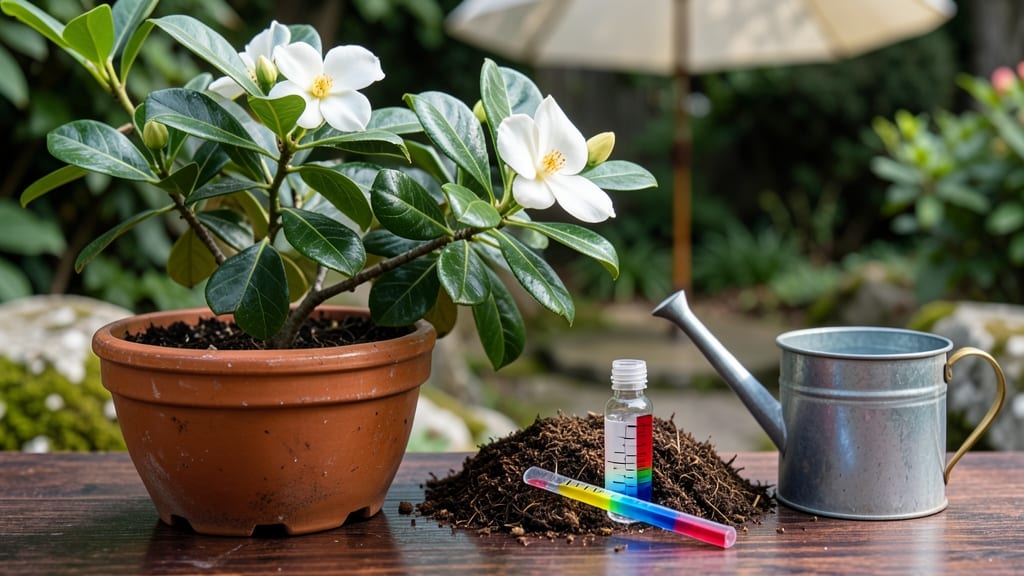
Are gardenias hard to grow? Yes, they can be challenging for beginners because they demand acidic soil, precise moisture levels, and dappled sunlight, but with the right conditions, they reward you with intoxicating blooms and lush green leaves.
These tropical beauties are often called "diva plants" because they're picky about their environment. 🌿 The biggest hurdle is maintaining the right soil pH—gardenias need it between 5.0 and 6.5, which is more acidic than most garden soils.
Even a slight shift can stress the plant, leading to yellow leaves or failed blooms. I've found that using sulfur-based amendments or planting in containers with pre-mixed acidic potting soil solves this problem for many home gardeners.
Beyond soil, gardenias also crave consistent humidity—think of their native tropical rainforest habitats. In dry climates, you'll need to mist the leaves regularly or use a pebble tray to keep the air moist around them.
And while they love sunlight, too much direct sun can scorch their delicate leaves, so partial shade is ideal for most regions.
Don't let their reputation scare you off—once you meet their needs, gardenias become some of the most rewarding plants in your garden. The key is patience and attention to detail, especially during their spring and summer growing seasons when they're most active.
💡 In This Article
- Key Challenges in Growing Gardenias
- Step-by-Step Guide to Cultivating Healthy Gardenias
Key challenges in growing gardenias
Gardenias struggle in many gardens because their native tropical rainforest environment demands specific conditions that most home landscapes can't naturally provide.
The most critical factor is soil acidity—their roots thrive in a pH range of 5.0 to 6.5, which is significantly more acidic than typical garden soil (usually 6.0 to 7.5).
This acidity triggers the plant's natural nutrient uptake mechanisms, particularly for iron and manganese, which are essential for their signature glossy foliage and vibrant blooms. When soil pH rises above 7.0, these nutrients become unavailable, causing the classic yellowing leaves that frustrate gardeners.
The plant's humidity requirements create another major hurdle. Gardenias originate from regions with 70-90% relative humidity, but most U.S. homes and gardens maintain levels between 30-50%.
In dry conditions, the plant's stomata (tiny leaf pores) close to conserve moisture, which disrupts photosynthesis and causes buds to drop before opening. 🌿 This is why you'll often see gardenias thriving in coastal areas or greenhouses where natural humidity is higher.
Even in humid climates, afternoon breezes can dry out the delicate leaves, requiring strategic placement or protective barriers.
Temperature sensitivity adds another layer of complexity. While gardenias prefer 65-75°F daytime temperatures, they're equally sensitive to nighttime drops below 55°F. Cold snaps trigger dormancy responses that can halt flowering for an entire season.
The plant's waxy leaf coating, while protective in tropical climates, becomes brittle in low humidity, making it vulnerable to fungal infections like powdery mildew or anthracnose. These diseases thrive in the same conditions that stress gardenias—high humidity combined with poor air circulation.
Light requirements present a paradox: gardenias need bright, indirect light to flower but can't tolerate the intense midday sun that most gardeners provide. Direct sunlight causes photobleaching of the chlorophyll, turning leaves a pale yellow-green and making them more susceptible to sunburn.
This is why gardenias often perform best under 30-50% shade cloth or as understory plants near taller trees that filter harsh rays while still allowing 4-6 hours of morning sunlight. 🌞
Watering presents its own challenges because gardenias are particularly sensitive to both drought and waterlogging. Their fibrous root systems need to stay consistently moist but well-drained—soggy soil leads to root rot within 48-72 hours, while inconsistent moisture causes buds to abort.
The ideal approach is to maintain 1-2 inches of soil moisture at all times, which typically means watering every 2-3 days in warm weather or daily in containers. Using rainwater or distilled water helps prevent mineral buildup that can further disrupt nutrient uptake.
Finally, gardenias have specific nutrient needs that most general-purpose fertilizers don't meet. They require high nitrogen in early growth stages (for foliage), but shift to phosphorus-rich formulas during budding season to encourage flowering. The key ratio is 3-1-2 (N-P-K) during active growth, switching to 1-2-1 when buds form.
Most gardeners accidentally over-fertilize with nitrogen-heavy products, resulting in lush leaves but no flowers—a common frustration that makes gardenias seem "difficult" when it's actually a simple nutrient imbalance.