
Tools
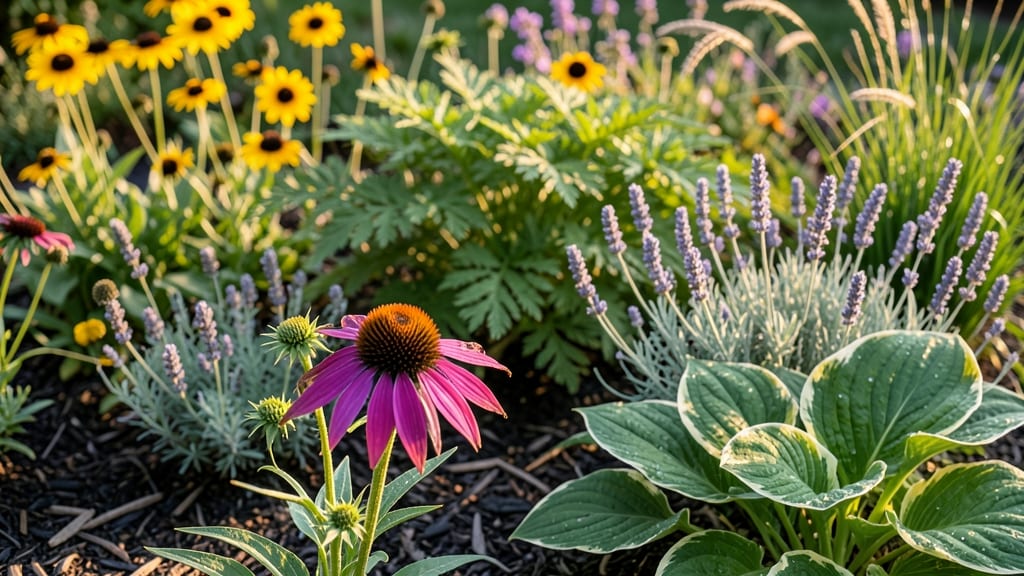
Describing a garden with vivid adjectives like lush, vibrant, serene, and fragrant brings its unique character to life—whether it's overflowing with wildflowers, bathed in golden sunlight, or whispering with rustling foliage. The right words paint a picture that highlights its colors, textures, and seasonal transformations.
When you choose adjectives for a garden, think about what makes it special beyond just its plants. A romantic garden might evoke words like whimsical or enchanted, while a wild meadow could be untamed or wildly abundant.
Sensory details—like fragrant for herbs or rustling for leaves—add depth, making descriptions feel immersive. 🌿 For example, a minimalist garden might be clean-lined and ordered, while a cottage-style garden could feel cozy and overflowing.
The key is matching your words to the garden's personality and the emotions it sparks.
Seasonal shifts also change how you describe a garden. In spring, adjectives like tender or blossoming capture new growth, while summer might call for sun-drenched or lush. Autumn gardens become golden or crisp, and winter might be dormant or frost-kissed.
Lighting plays a role too—shadowy for hidden corners or bright for sunlit paths. These seasonal and lighting cues help your descriptions feel dynamic and alive.
💡 In This Article
- How to Pick Adjectives Based on Garden Seasons
- Top 50 Adjectives for Gardens by Theme (Romantic, Wild, Minimalist)
How to pick adjectives based on garden seasons
Seasonal transitions transform a garden's character, and your adjective choices should reflect these shifts. In spring, when light filters through fresh, unfurled leaves, words like tender or delicate capture the fragile new growth. The air carries a fresh or invigorating quality as plants wake from dormancy.
This season's adjectives often focus on renewal, with terms like blossoming or awakening emphasizing the garden's rebirth. 🌱 The color palette shifts from winter's muted tones to vibrant greens and soft pinks, which your descriptors should mirror.
Summer gardens demand a different vocabulary, leaning into warmth and abundance. Adjectives like sun-drenched or radiant highlight the intense sunlight, while lush or verdant describe the thick foliage. The sensory experience becomes richer too—fragrant for blooming flowers, humming for bees, or warm for the air.
Lighting plays a crucial role here; dappled shadows from trees create a different mood than unbroken sunlight. Even the textures change, with velvety petals or crisp leaves offering tactile contrast.
Autumn transforms gardens into living canvases of color, where adjectives like golden, amber, or crimson become essential. The crisp air introduces words like chilly or brisk, while fallen leaves create rustling or crunching textures.
This season's descriptors often focus on contrast—warm colors against cool shadows, abundant foliage against bare branches. The scent of woodsmoke or fallen apples adds a earthy or spiced dimension to your vocabulary.
Winter gardens require a more subdued palette, with adjectives emphasizing structure and quiet beauty. Terms like dormant, resting, or bare capture the season's stillness, while frost-kissed or icy describe the crystalline textures. Evergreens introduce evergreen or resilient qualities, while snow-covered landscapes become pristine or silent.
Light becomes a key element—soft winter sunlight creates gentle shadows, while harsh winter winds might produce whipped or tossed foliage patterns.
The angle of sunlight changes dramatically across seasons, affecting how you describe a garden's mood. In spring and summer, bright or glowing adjectives work well, while autumn's lower sun casts long or dramatic shadows. Winter sunlight might be pale or diffused, creating a different atmospheric quality.
These lighting conditions influence not just the colors you see but also the emotions a garden evokes—cheerful in summer, contemplative in winter.
Consider how these seasonal shifts affect specific garden types. A cottage garden might be overgrown in summer but structured in winter after pruning. A formal garden remains ordered year-round, though its geometric lines might appear softer when covered in snow.
These seasonal transformations give you a deeper vocabulary to describe how gardens evolve, making your descriptions more dynamic and accurate.
To practice, observe a garden at different times of day and across seasons. Notice how the light changes the colors, how the textures shift with moisture or frost, and how the sounds (like rustling leaves or chirping birds) create a sensory experience.
These observations will help you select adjectives that truly capture a garden's essence in any season. 🌿