
Fertilization
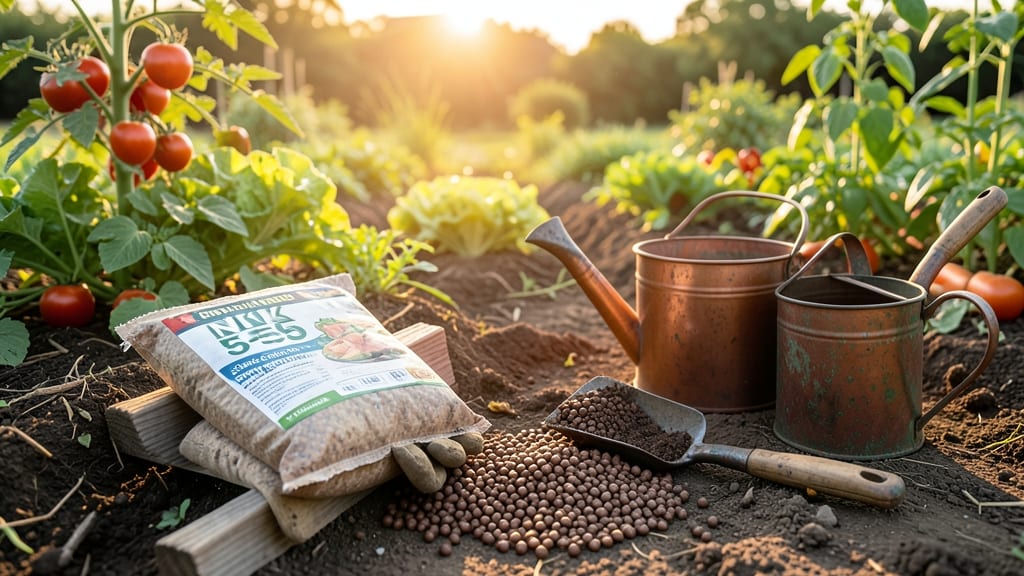
To fertilize your vegetable garden at the right times means feeding plants when they need it most—starting at planting and continuing through fruiting, with seasonal adjustments that make all the difference.
Timing your vegetable garden fertilization wrong can mean wasted nutrients—or worse, stunted growth and poor harvests. But get it right, and you’ll unlock explosive yields and healthier plants all season long. For example, spring feeding jumpstarts root growth, while summer applications support flowering and fruiting.
Most gardeners overlook how soil temperature and plant stages dictate when to add fertilizer. Cool-season crops like spinach thrive with early spring feedings, while tomatoes and peppers demand mid-season boosts as they fruit. The key is matching nutrient delivery to growth phases, not just calendar dates.
In this guide, I’ll break down the best fertilization windows for each stage—from pre-planting to harvest—plus how to choose between organic and synthetic options for your Zone 6 vegetable garden. You’ll learn exactly when to feed, what to feed, and how to avoid common mistakes that sabotage yields.
Seasonal fertilization schedule for vegetable gardens by plant type
Fertilizing your vegetable garden isn't a one-size-fits-all task—it's all about matching nutrients to your plants' needs at the right time. Cool-season crops like spinach and kale thrive with early spring feeding, while warm-season powerhouses such as tomatoes and peppers demand summer attention.
Even year-round growers like herbs and lettuce need strategic timing to prevent nutrient waste or deficiency. Let's break down the perfect fertilization windows based on plant type, soil temperature, and growth stages.
Soil temperature is your secret weapon for fertilization timing. Most vegetables prefer soil between 60-75°F for optimal nutrient uptake. Use a soil thermometer to check before applying fertilizer—cool crops can handle cooler soils (50-60°F), while warm crops need that heat to activate nutrients.
Growth stages matter too: seedlings need gentle feeding, flowering plants crave phosphorus, and fruiting crops benefit from potassium-rich fertilizers.
Here's your visual cheat sheet for fertilization timing by plant type, including soil temperature triggers and growth stage cues:
| Plant Type | Best Fertilization Windows | Soil Temp Trigger | Growth Stage Cues | Nutrient Focus |
|---|---|---|---|---|
| Cool-Season Crops (Spinach, Kale, Broccoli) | Early Spring (March-April) & Fall (September-October) | 50-60°F | Seedling stage, bolting prevention | Nitrogen (leafy greens) |
| Warm-Season Crops (Tomatoes, Peppers, Cucumbers) | Late Spring (May) through Summer (July-August) | 65-75°F | Flowering, fruiting, vine growth | Phosphorus (blooms), Potassium (fruits) |
| Year-Round Herbs (Basil, Cilantro, Parsley) | Spring (March-April) & Early Fall (September) | 55-65°F | New growth, harvest after cutting | Balanced NPK (5-5-5) |
| Year-Round Lettuce (Butterhead, Romaine) | Spring (March-April) & Fall (August-September) | 50-60°F | Leaf expansion, head formation | Nitrogen (leaf growth) |
| Root Vegetables (Carrots, Beets, Radishes) | Early Spring (March) & Late Summer (July) | 55-65°F | Germination, root swelling | Phosphorus (root development) |
For cool-season crops, I recommend a light feeding of 5-10-10 fertilizer when you plant in early spring. These crops grow quickly and don't need heavy feeding—too much nitrogen can cause them to bolt prematurely.
Apply a second, lighter dose when you see the first true leaves forming. In fall, give them a final boost with compost or a balanced organic fertilizer to strengthen roots before winter.
Warm-season vegetables are the heavy feeders of the garden. Start with a balanced 10-10-10 fertilizer at planting, then switch to a high-phosphorus 5-10-10 when you see flower buds forming. Once fruit sets, shift to a potassium-rich 5-5-10 to prevent blossom end rot in tomatoes and improve fruit sweetness.
Feed every 3-4 weeks during peak growing months (June-August), but reduce frequency in extreme heat when plants struggle to uptake nutrients.
Year-round growers like herbs and lettuce need a different approach. I fertilize them every 6-8 weeks with a balanced 5-5-5 fertilizer or compost tea. For herbs, focus on light applications—too much fertilizer can make basil taste bitter.
Lettuce, on the other hand, loves nitrogen-rich feedings to keep those leaves lush. In hot months, reduce feeding to prevent stress, and resume when temperatures drop below 85°F.
Pro tip: Always water your plants 24 hours before and after fertilizing to prevent root burn. For organic gardeners, I recommend using compost tea or fish emulsion instead of synthetic fertilizers—they release nutrients gradually and improve soil health long-term. And remember, less is often more—over-
Signs your veg garden needs fertilizer (and when to skip it)
Knowing when to fertilize your vegetable garden can feel like guessing—until you learn to read your plants. Yellowing leaves, stunted growth, or weak stems are classic red flags that your veggies are hungry.
But here’s the catch: not every plant needs feeding at the same time, and some might be begging for help when you least expect it.
Before grabbing that fertilizer bag, check your soil’s health. Compacted soil, slow water absorption, or pale roots during transplanting can mean your plants aren’t getting the nutrients they need—even if they look fine above ground.
And if your tomatoes are flowering but not fruiting, that’s another clue your garden is missing key nutrients.
⚠️ callout warning ⚠️
- After heavy rain: Nutrients wash away, making fertilizer useless.
- During drought: Plants can’t absorb nutrients in dry soil.
- Before transplanting: New roots need time to establish without shock.
- Late in the season: Over-fertilizing before frost wastes resources.
Pro Tip: Always water before and after applying fertilizer to prevent leaf burn.
Over-fertilizing is just as harmful as under-fertilizing. Crispy leaf edges, brown patches, or excessive leafy growth (but no fruit) are sure signs you’ve gone overboard.
If your peppers or tomatoes are putting all their energy into leaves instead of producing, cut back on nitrogen-heavy fertilizers and switch to a phosphorus-rich option to boost flowering.
Don’t forget to consider the weather. Hot, dry spells can lock nutrients in the soil, making them unavailable to your plants. If you’ve had consistent rain or high humidity, your veggies might be leaching nutrients faster than usual.
In these cases, a light feeding with compost tea or a balanced fertilizer can give them a quick boost without overwhelming their systems.
For newly planted seedlings, hold off on fertilizer for the first 2-3 weeks unless the soil is extremely poor. Young roots are delicate, and too much fertilizer can burn them or cause osmotic shock.
Instead, focus on mulching and consistent watering to help them establish. Once they’ve grown a few true leaves, a gentle side-dressing of compost or a diluted fertilizer can work wonders.
If you’re still unsure, grab a soil test kit (they’re cheap and easy to use). This will tell you exactly what nutrients your soil is missing—whether it’s nitrogen for leafy greens, phosphorus for root crops, or potassium for disease resistance.
Armed with this info, you can fertilize with precision, avoiding both deficiencies and excesses.