
How To
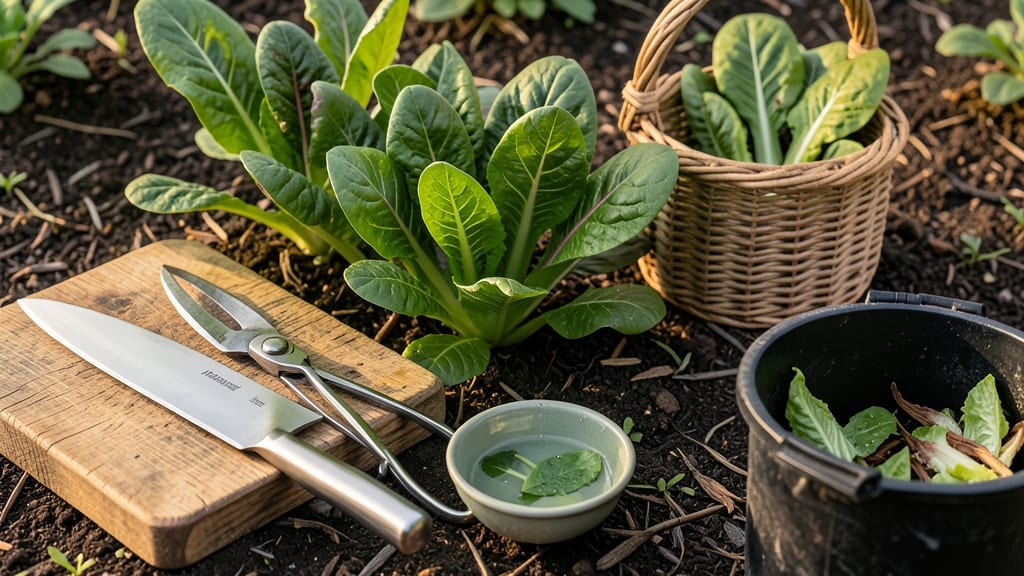
Harvesting romaine lettuce from your garden at the right time means the difference between crisp, restaurant-quality greens and bitter, wilted disappointment.
Romaine lettuce thrives in home gardens but only if you know the exact moment to harvest—cut too early and it’s bitter, too late and it bolts. Master these 5 visual cues to pick crisp, flavorful romaine at its peak, ensuring a steady supply of restaurant-quality greens straight from your backyard.
Look for firm, upright heads standing 10-12 inches tall with outer leaves wide enough to cut cleanly. The leaves should be deep green, not yellowing, and feel crisp when gently squeezed—this is your perfect harvest window.
In this guide, I’ll walk you through the step-by-step technique for cutting romaine without damaging the plant, plus how to store your harvest for maximum freshness and even encourage regrowth for a second crop.
5 Visual cues to identify perfectly ripe romaine lettuce for harvest
Harvesting romaine lettuce at the right moment transforms your garden into a crisp, flavorful salad bar. The key lies in recognizing 5 distinct visual cues that signal peak ripeness.
Ignore these signs, and you risk either bitter, underdeveloped leaves or bolted plants that flower too soon. Let’s break down what to look for when inspecting your romaine plants.
First, focus on the leaf color. Mature romaine leaves should display a vibrant deep green hue with slight purple tinges near the stems—this indicates optimal sugar content. Avoid harvesting when leaves appear pale or yellowish, as this suggests nutrient deficiencies or overripeness.
The outer leaves are your best indicator, since they mature first and reveal the plant’s readiness.
Next, examine the leaf texture. Perfectly ripe romaine has crisp, firm leaves that resist slight pressure without bending. Run your fingers along the edges—if they feel slightly waxy but not brittle, you’ve hit the sweet spot.
Soft or floppy leaves mean the lettuce is overripe, while overly stiff leaves suggest it needs more time to develop its signature crunch.
📌 How to Harvest Romaine Lettuce at Peak Ripeness
- 📏 Height Check: Aim for 8–12 inches tall—this ensures full head formation without bolting.
- 🌿 Leaf Size: Outer leaves should span 6–8 inches wide; smaller leaves mean more growth time needed.
- 💧 Moisture Test: Gently tug a leaf—if it snaps cleanly with minimal resistance, it’s ready; if it pulls away easily, wait 3–5 days.
- ✂️ Cutting Technique: Use clean shears 1–2 inches above the base to leave regrowth potential.
- ☀️ Time of Day: Harvest in the early morning when leaves are cool and crispest—avoid afternoon heat.
Pay attention to the plant’s overall size. Romaine lettuce reaches harvest readiness when it stands 8–12 inches tall with a well-formed, upright head. If the head is still loose or the leaves are sparse, give it another 5–7 days of growth.
Overlooking this cue often leads to underdeveloped lettuce that lacks the satisfying crunch you crave in salads.
Watch for the growth pattern of the inner leaves. The heart leaves should be tightly packed but not yet flowering. If you spot yellow buds or elongated stems, your lettuce is bolting—this happens when it senses heat stress or maturity.
Bolting turns romaine bitter and inedible, so act fast if you notice these signs. A quick harvest of the outer leaves can sometimes salvage the inner core.
Finally, inspect the stem thickness. At peak ripeness, the main stem should feel sturdy but flexible, not woody or hollow. Thick stems indicate overmaturity, while thin stems suggest the plant needs more time.
This visual cue is especially critical for loose-leaf varieties, which rely on stem strength to support the expanding head.
Distinguishing between mature and overripe romaine hinges on these cues. Overripe lettuce often shows yellowing edges, loose heads, and a mushy texture. To avoid this, harvest outer leaves first—this practice extends your harvest window by 2–3 weeks while allowing the inner leaves to mature gradually.
It’s a game-changer for continuous harvests!
Pro tip: Harvest in stages by picking the largest outer leaves first. This method not only preserves the plant’s productivity but also ensures you always have fresh, crisp romaine ready for salads, wraps, or grilling.
With these visual cues mastered, you’ll never again guess whether your lettuce is ready—just reach in and harvest with confidence!
Step-by-step harvesting technique to preserve lettuce quality
Harvesting romaine lettuce at the right moment ensures crisp, flavorful greens that stay fresh for 3–5 days instead of wilting within hours. The key lies in using the correct cutting technique and timing—both of which protect the plant and maximize your yield.
I’ve perfected this method over years of gardening, and it guarantees restaurant-quality lettuce straight from your backyard.
Timing is everything: harvest in the early morning when temperatures are cool. This reduces stress on the plant and keeps leaves crisp and hydrated. Avoid harvesting during peak afternoon heat, as this can cause wilting almost instantly.
Grab your sharp pruning shears or a clean knife—dull tools crush leaves, leading to bitterness and faster spoilage.
How to Harvest Romaine Lettuce From Garden
- Step 1: Choose a mature head with 6–12-inch height and firm, upright leaves. Avoid heads with yellowing or wilted outer leaves.
- Step 2: Hold the base of the head firmly with one hand. Use sharp shears or a knife to cut 1–2 inches above the soil, leaving the root intact for regrowth.
- Step 3: For baby leaves, snip the outer leaves individually, leaving the inner core to grow. This extends your harvest by 2–3 weeks per plant.
- Step 4: Rinse leaves under cool water to remove dirt. Gently spin-dry or pat with a paper towel to prevent moisture buildup, which causes rot.
- Step 5: Store in an airtight container lined with a damp paper towel. Place in the crisper drawer of your fridge, where it’ll stay fresh for 5 days or longer.
Proper storage is just as critical as harvesting. After cutting, never wash lettuce until ready to eat—excess moisture accelerates spoilage. Instead, store it in a perforated plastic bag with a damp paper towel to maintain humidity without suffocating the leaves.
This simple trick extends freshness by 2–3 days compared to dry storage.
If your romaine starts to wilt within 24 hours, it’s likely due to overcrowding or heat stress. Revive it by trimming damaged leaves, soaking in ice water for 10 minutes, and storing upright in a jar of water in the fridge.
This buys you another 2–3 days of usable greens.
With this technique, I’ve harvested romaine lettuce from my garden for 6 weeks straight, even in summer heat. The secret? Consistency—harvest early, store properly, and repeat. Your kitchen (and salads!) will thank you.
🥬