
Fertilization
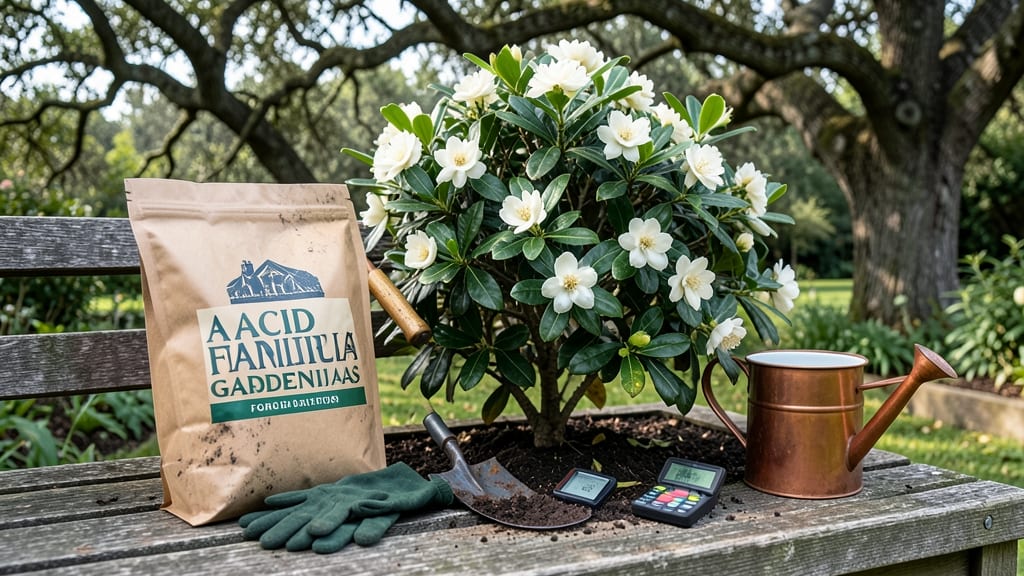
To keep your gardenias thriving with vibrant blooms, you need acid fertilizer that matches their exact soil needs — these tropical beauties 🌸 demand a pH between 4.5 and 5.5 to produce their signature fragrant flowers.
Struggling to keep your gardenias blooming year after year? The secret lies in their soil pH — these acid-loving beauties demand precise feeding to thrive. Without the right acid fertilizer, your gardenias may produce sparse, weak flowers or even drop leaves entirely.
Most gardeners assume any fertilizer will work, but gardenias are picky. They need a low-pH formula with iron and sulfur to prevent yellowing leaves and stunted growth. The wrong blend can actually harm them, so choosing the right product is the first step toward lush, fragrant blooms.
In this guide, I’ll walk you through how to test your soil’s acidity, pick the best acid fertilizer for your gardenias, and apply it the right way — so you can enjoy those show-stopping flowers all season long.
Why gardenias need acid fertilizer and how to test soil pH
If your gardenias 🌸 are struggling to bloom or their leaves are turning yellow, the culprit might be your soil's pH balance. Gardenias thrive in acidic soil with a pH range of 4.5 to 5.5.
Without the right acid fertilizer, these plants can't absorb essential nutrients like iron, manganese, and phosphorus—leading to weak growth and sparse flowers.
I've seen gardeners overlook soil pH testing until their gardenias are already suffering. The good news? Testing your soil is simple, and adjusting it with the right acid fertilizer can transform your plants in just a few weeks.
Let’s dive into why acidity matters and how to test your soil like a pro.
Why acidity matters: Gardenias are calcium-sensitive and prefer acidic conditions to prevent nutrient lockout. A pH above 6.0 can cause chlorosis (yellowing leaves) and stunted blooms. Even if your gardenias look healthy, their roots might be starving for nutrients they can’t access in alkaline soil.
Here’s the kicker: most garden soils naturally lean toward neutral or alkaline (pH 6.0–8.0). That’s why acid-loving plants like gardenias, azaleas, and camellias need extra care. Without intervention, your gardenias will struggle to reach their full potential—think fewer blooms, weaker stems, and leaves that yellow at the edges.
| Key Factor | Ideal Range for Gardenias | Signs of Imbalance |
|---|---|---|
| Soil pH | 4.5–5.5 (acidic) | Yellow leaves, poor blooms, stunted growth |
| Iron Availability | High in acidic soil | Yellowing between veins (iron deficiency) |
| Phosphorus Uptake | Optimal in acidic conditions | Purple stems, weak roots |
| Nitrogen Form | Ammonium preferred | Slow growth, pale foliage |
| Manganese Access | More available in acid soil | Brown spots on leaves |
Now that you understand why acidity is critical, let’s talk soil testing. You have two main options: DIY kits (affordable and quick) or professional lab tests (more precise).
I recommend starting with a DIY kit—like the Luster Leaf Rapitest—which gives you results in under 2 minutes using a color chart.
To test your soil at home, follow these steps:
- Collect 5–6 soil samples from different spots around your gardenia, about 4–6 inches deep.
- Mix them in a clean bucket and remove debris like rocks or roots.
- Moisten the sample slightly (not soggy) and follow the kit instructions to compare the color to the pH chart.
If your test shows a pH above 5.5, it’s time to acidify. For pH levels below 4.5, you’ll need to raise the pH gently using lime (but this is rare for gardenias). Most gardeners focus on lowering pH, which is where acid fertilizers come into play.
For a quick fix, mix 1 tablespoon of sulfur per square foot into the top 6 inches of soil. For long-term results, use peat moss or pine bark fines as organic amendments.
These materials slowly acidify the soil as they break down, providing a steady supply of nutrients gardenias love.
One mistake I see often is over-acidifying the soil. Too much sulfur or acidic fertilizer can harm beneficial microbes and burn roots. Always re-test your soil after 2–3 months to monitor changes. If you notice leaf burn or wilting, flush the soil with water to dilute excess acidity.
Pro tip: Pair your acid fertilizer with a balanced NPK ratio (like 8-4-8) to support both blooms and foliage. I’ve found that gardenias respond best to slow-release fertilizers applied every 4–6 weeks during the growing season (spring and summer).
Remember, healthy gardenias start with the right soil conditions. By testing your pH and adjusting with acid fertilizer, you’ll set your plants up for vibrant blooms and lush growth all season long. Happy gardening! 🌿
Top 5 acid fertilizers for gardenias: organic vs. synthetic options
Choosing the right acid fertilizer for gardenias can transform your struggling shrubs into fragrant, blooming powerhouses. Gardenias thrive in acidic soil (pH 4.5-5.5), and without proper fertilization, they’ll show signs of distress like yellowing leaves or sparse flowers.
The market offers organic and synthetic options, each with unique benefits and drawbacks. Let’s break down the top five choices to help you decide which aligns best with your gardening goals and budget.
For new plantings, organic options like cottonseed meal or peat moss gently acidify soil over time, while established shrubs may benefit from faster-acting synthetic fertilizers like Miracid or iron sulfate.
Cost also plays a role—organic amendments can be budget-friendly but require patience, whereas synthetic fertilizers deliver quick results at a higher upfront cost. Below, we’ll compare the pros and cons to help you make an informed choice.
Acid Fertilizer Comparison for Gardenias
Miracid
Pros: Fast-acting, liquid form, easy to apply
Cons: Synthetic, can burn roots if overused
Best for: Established shrubs needing quick acid boost
Cottonseed Meal
Pros: Organic, slow-release, improves soil structure
Cons: Takes 4-6 weeks to acidify soil, may attract pests
Best for: New plantings or long-term soil amendment
Peat Moss
Pros: Natural acidifier, improves drainage, budget-friendly
Cons: Breaks down over time, requires reapplication
Best for: Soil amendments in containers or garden beds
Iron Sulfate
Pros: Quickly lowers pH, fixes iron chlorosis
Cons: Can over-acidify soil if not monitored, synthetic
Best for: Correcting pH imbalances in established plants
Citric Acid
Pros: Natural, safe for pets, dissolves easily in water
Cons: Short-term effect, requires frequent application
Best for: Foliar sprays or quick pH adjustments
If you’re working with new gardenia plantings, I recommend starting with cottonseed meal or peat moss to gradually acidify the soil. These organic options also improve soil structure, which is critical for young roots.
For established shrubs showing signs of nutrient deficiency—like yellowing leaves or poor blooms—Miracid or iron sulfate can provide a rapid fix. Always follow the manufacturer’s instructions for application rates to avoid over-acidification.
Cost-effectiveness is another key factor. Organic options like peat moss or cottonseed meal are often more affordable upfront but require ongoing maintenance. In contrast, synthetic fertilizers like Miracid cost more per application but deliver immediate results.
For example, a 5-pound bag of cottonseed meal costs around $10 and covers multiple applications, while a quart of Miracid runs about $15 but is used in smaller doses. Weigh your priorities—long-term soil health or quick fixes—to choose what fits your gardening style.
Pro tip: Always test your soil pH before and after fertilizing to avoid over-acidification. A pH below 4.5 can harm your gardenias just as much as a neutral or alkaline soil. Use a digital pH meter or send a sample to your local extension office for accurate results.
Pairing your acid fertilizer with a slow-release organic matter, like compost, will also support long-term plant health without drastic pH swings.
Ready to pick your fertilizer? Start with a small batch to monitor your gardenias’ response. Within 4-6 weeks, you should see improved foliage and more abundant blooms—proof that your gardenias are finally getting the acidic love they crave! 🌸