
Tools
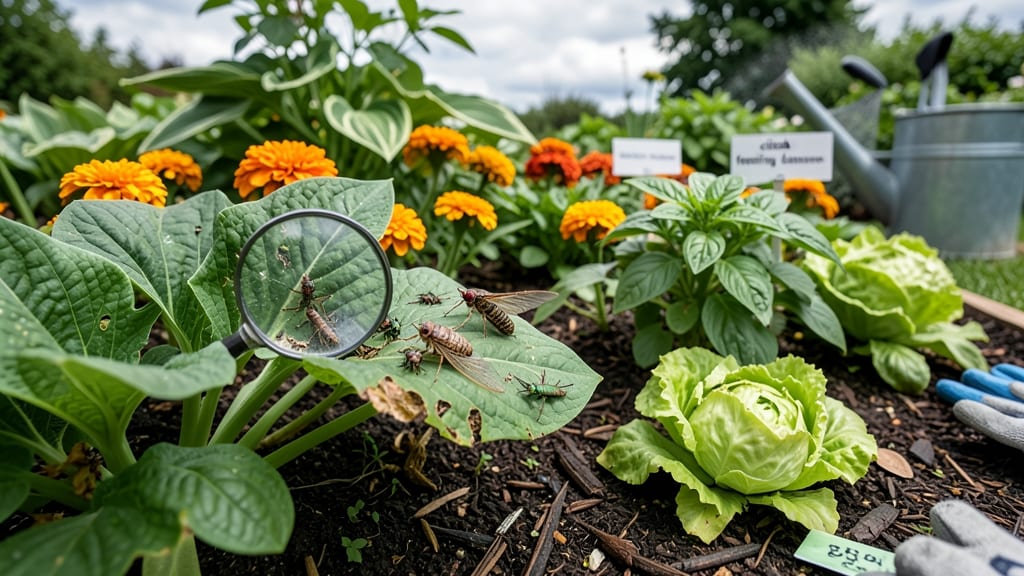
Cicadas won’t eat your garden—they target tree sap exclusively, using their straw-like mouthparts to pierce bark and extract xylem fluid. While they leave minimal direct damage to vegetables or flowers, their molting shells and sticky honeydew create secondary problems like mold and ant infestations. Your priority should be shielding trees, not garden plants, from their feeding activity.
These insects are tree specialists—their entire lifecycle revolves around tapping into woody plants like maples, oaks, and willows. 🌳 The real threat comes from their feeding patterns: adults create small holes in bark while nymphs (underground for years) don't interact with surface plants at all.
What you might notice are wilting leaves from sap loss or black sooty mold growing where honeydew accumulates, but your tomatoes and basil remain completely unaffected.
Here's the good news: their feeding habits actually benefit some garden ecosystems by promoting new growth in trees. The challenge comes when their molting shells and honeydew create messier problems—like attracting wasps or creating slippery surfaces.
I've found that simply removing fallen shells and applying a light vinegar-water spray to tree trunks can prevent most secondary issues while letting nature handle the cicadas themselves.
💡 In This Article
- How Cicadas Damage Trees vs. Garden Plants
- Protecting Trees from Cicadas: Natural and Chemical Methods
How cicadas damage trees vs. garden plants
Cicadas are specialized feeders—their entire diet revolves around xylem sap from woody plants like maples, oaks, and willows.
Their sharp, straw-like mouthparts pierce bark to access this water-rich fluid, creating tiny holes (about 0.5-1mm wide) that rarely kill trees but can stress them. 🌳 The real damage comes from sap loss: a single cicada can feed for 2-3 hours daily, causing leaves to wilt or develop brown edges from dehydration.
Unlike garden plants, these trees have evolved to handle cicada feeding, though heavy infestations can weaken them over time.
Garden plants—vegetables, flowers, and herbs—are completely off the menu. Cicadas lack the mouthparts to chew or suck nutrients from soft plant tissues, and their digestive systems can't process anything but xylem sap.
What you might see in your garden are molting shells (exoskeletons left behind when cicadas emerge) or honeydew (sticky waste that drips onto leaves). This honeydew, while harmless to plants, creates secondary problems by attracting ants, wasps, and sooty mold—a black fungal growth that coats leaves and reduces photosynthesis.
The lifecycle stages matter too. Nymphs (the underground phase) don't interact with surface plants at all—they burrow for 13-17 years before emerging as adults. Only adult cicadas feed on trees, and even then, their impact is usually temporary.
For gardeners, this means your tomatoes, peppers, or basil face zero risk from cicadas themselves, though their honeydew might require cleanup to prevent mold or pests. The key is focusing protection on trees, not garden beds.
Here’s what cicadas won’t do to your garden:
- Chew leaves or stems: Their mouthparts are designed for sap extraction, not plant tissue destruction.
- Lay eggs in soil: Cicadas deposit eggs in tree branches, never in garden soil.
- Damage roots: Only nymphs interact with roots (to reach the surface), but they don’t harm garden plants—just trees.
The indirect effects are where gardeners notice cicadas. For example, honeydew can create a slippery film on patio furniture or sidewalks, and its sugary residue attracts ants that might wander into garden beds.
But these are easy to manage with a hose or vinegar spray, while tree damage requires more targeted solutions like pruning or protective sprays. 🌿 The takeaway? Cicadas are tree specialists, not garden pests—your veggies are safe, but your oaks might need a little extra care.
If you’re worried about tree health, look for signs like yellowing leaves or sawdust-like frass (egg-laying debris) on branches—these indicate active feeding. For garden plants, simply monitor for honeydew buildup and address it promptly.
The good news? Cicadas play a role in nutrient cycling: their waste and molting contribute to soil fertility, making them an oddly beneficial part of the ecosystem.