
Tools
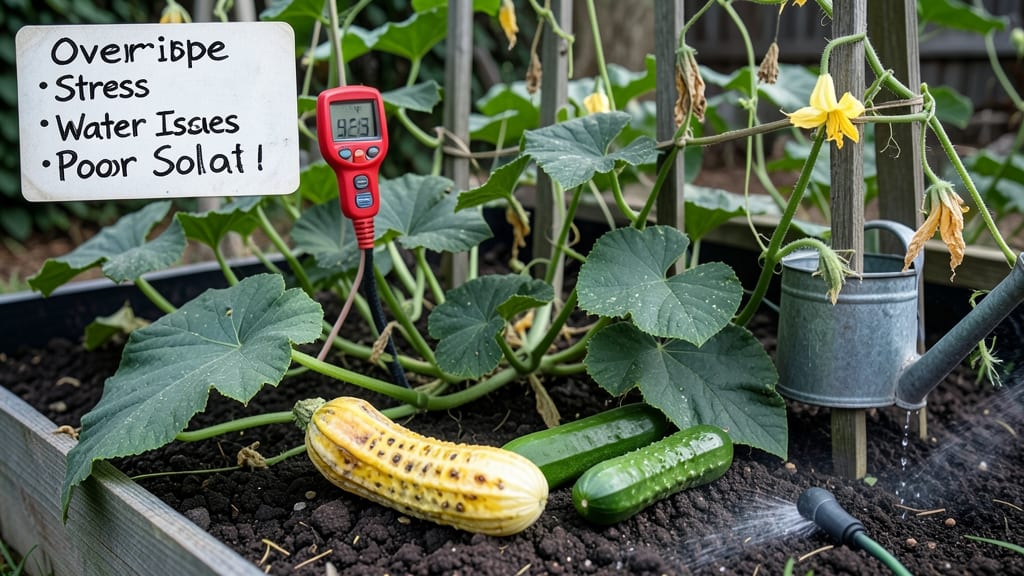
Your garden cucumbers 🥒 taste bitter because they’re likely overripe, thirsty, or stressed from uneven sunlight or poor soil nutrition.
Picture this: you’ve spent weeks tending to your vines, only to bite into a cucumber that tastes like disappointment. The good news? This problem is almost always fixable—and the solutions are simpler than you’d think.
Bitterness sneaks in when cucumbers stay on the vine too long, don’t get enough water, or struggle with nutrient imbalances. But with the right adjustments—like harvesting at the perfect size, tweaking your watering routine, or boosting soil fertility—you’ll be back to enjoying sweet, crisp cucumbers in just a few weeks.
Below, I’ll walk you through the five most common causes of bitter cucumbers and the exact steps to turn your harvest around. No more puckering—just flavor-packed veggies straight from your garden.
5 Common reasons your garden cucumbers taste bitter (and how to fix them)
There's nothing worse than biting into a cucumber you grew yourself—only to be hit with an unpleasant bitterness that ruins your fresh salad. The good news? This common issue has clear causes, and fixing them is easier than you might think.
Cucumbers develop bitterness when they're stressed, overripe, or lacking proper care. Understanding these 5 root causes will help you grow sweeter, crunchier cucumbers in just a few weeks.
Bitterness in cucumbers isn't just about taste—it's a sign your plants are struggling. Whether it's from overmaturity, inconsistent watering, or nutrient deficiencies, each problem has a specific solution. Let's break down the science behind bitter cucumbers and how to reverse it before your next harvest.
First on the list is overripe harvesting, the most common cause of bitter cucumbers. When cucumbers stay on the vine too long, they produce cucurbitacin, a natural compound that makes them bitter.
The solution? Start harvesting when they're 6-8 inches long and dark green. For slicing varieties, look for a yellow stem end—this is your cue to pick them immediately.
Next, inconsistent watering can turn your crisp cucumbers into bitter disappointments. Cucumbers need deep, consistent moisture—skipping watering sessions or letting soil dry out completely triggers stress responses that lead to bitterness.
I recommend watering in the early morning to give roots time to absorb moisture before the heat of the day.
If your cucumber plants aren't getting enough sunlight, they simply can't produce the sugars needed for sweetness. Aim for at least 6 hours of direct sun daily.
If your garden spot is shady, consider using reflective mulch or moving plants to a sunnier location. Even partial shade can reduce flavor quality significantly.
Don't overlook soil nutrients—they play a huge role in cucumber taste. A deficiency in magnesium or potassium can directly contribute to bitterness. Test your soil's pH (ideal range is 6.0-6.8) and amend with compost or a balanced fertilizer like 5-10-10.
I've seen dramatic improvements in flavor after just one season of proper soil care.
Finally, extreme heat stress can turn your cucumbers bitter overnight. When temperatures climb above 90°F, cucumbers struggle to photosynthesize properly, leading to that unwanted bitterness. Provide shade with 30-50% shade cloth during peak afternoon heat, or use mulch to keep roots cool.
Even a simple row cover can make a big difference.
Ready to turn things around? Start by harvesting regularly and adjusting your watering schedule. Within a few weeks, you'll notice sweeter, crunchier cucumbers. The key is consistency—once you address these five causes, your garden will reward you with the perfect harvest.
🌱
How to harvest cucumbers at the perfect sweetness stage (with a visual guide)
Harvesting cucumbers at the right moment is the #1 secret to avoiding bitterness. When you pick them too late, those cucurbitacins (natural compounds) kick in, turning your crisp veggies into pucker-inducing pups.
The good news? With the right size, color, and texture cues, you can consistently harvest cucumbers at peak sweetness every time.
Most gardeners make one of two mistakes: harvesting too early (underripe, seedy) or too late (overripe, bitter). The sweet spot? 6-8 inches long, with a deep green skin and a firm but slightly yielding texture.
Let me show you exactly what to look for—and how to prevent bitterness from creeping in post-harvest.
📌 Quick Tip: Use a sharp knife or pruning shears to cut cucumbers from the vine instead of twisting. This prevents damage to the plant and reduces the risk of disease entry points. Always leave a small stem attachment (about 1/2 inch) to protect the vine.
| Harvest Cue | Ideal Specification | Why It Matters |
|---|---|---|
| Size | 6-8 inches long | Prevents seedy, bitter overgrowth while ensuring full flavor development. |
| Color | Deep, consistent green | Light green = underripe; yellowing = overripe (bitter). |
| Texture | Firm but yields slightly when pressed | Hard = underripe; mushy = overripe (both cause bitterness). |
| Stem End | Yellowing (slicing types) or white (pickling types) | Green stem = not ready; yellow/white = peak ripeness. |
| Harvest Frequency | Every 2-3 days in peak season | Encourages continuous fruiting and prevents overmaturity. |
For slicing cucumbers, aim to harvest when they’re 7-8 inches long with a yellowing stem end. These cues signal the perfect balance of sweetness and crunch.
If you’re growing pickling cucumbers, wait until they reach 3-4 inches with a white blossom end—this ensures the ideal size and texture for pickling without bitterness.
Pro tip: Check your cucumbers daily during peak harvest season (June-August). Overripe cucumbers on the vine develop cucurbitacins, which create that infamous bitter taste. If you miss the window, don’t panic—just reduce watering slightly and focus on harvesting smaller cucumbers next time to reset the plant’s flavor profile.
Once harvested, store cucumbers in the fridge crisper drawer (not the door) for up to 1 week. Avoid washing until ready to eat—excess moisture speeds up spoilage. For long-term storage, pickle or ferment your cucumbers within 2-3 days of harvest to lock in that fresh, sweet flavor.