
Planting
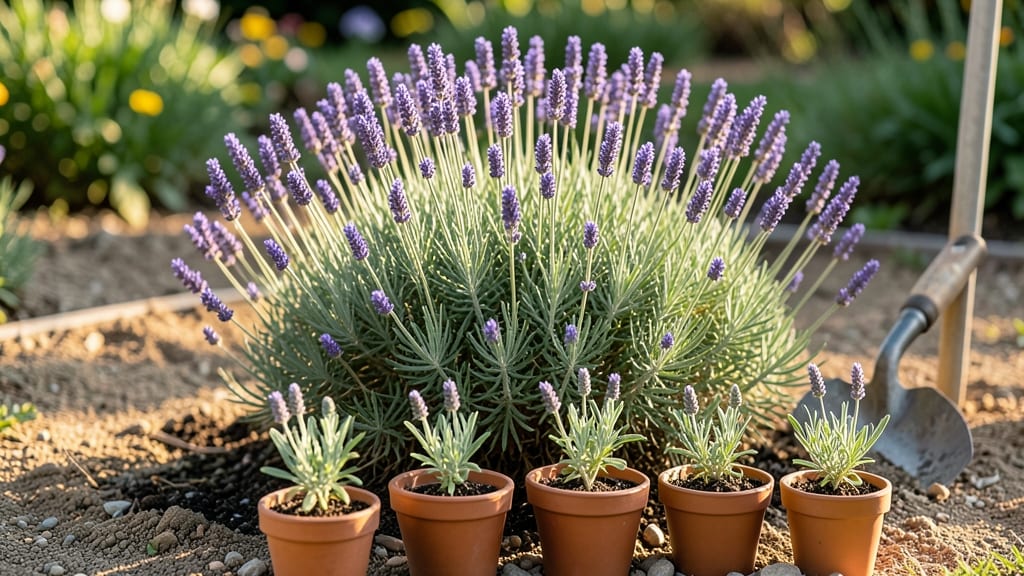
To plant lavender in a vegetable garden, choose sunny borders or edges with well-draining soil, away from root vegetables. Space plants 18-24 inches apart for airflow and growth.
Lavender thrives in areas with at least 6-8 hours of direct sunlight daily, making garden edges and sunny borders perfect spots. 🌞 The plant’s drought tolerance means it prefers dry, sandy soil—amend heavy soil with coarse sand or gravel to prevent root rot.
I’ve found that planting lavender near tomatoes or rosemary creates a fragrant, low-maintenance border that repels pests naturally.
When placing lavender, avoid areas where root crops like carrots or potatoes grow, as lavender’s deep roots can compete for nutrients. Instead, pair it with shallow-rooted herbs or flowers like marigolds or basil.
The key is balancing aesthetics and function—lavender’s striking purple blooms add visual interest while serving as a natural pest deterrent.
💡 In This Article
- Lavender’s Ideal Sunlight and Soil Requirements
- Best Companion Planting Strategies for Lavender
Lavender’s ideal sunlight and soil requirements
Lavender’s love affair with sunlight isn’t just preference—it’s survival. This Mediterranean native evolved in regions with intense sunlight (10+ hours daily), where its thick, silvery leaves reflect excess heat while maximizing photosynthesis.
The plant’s waxy cuticle and deep root system (reaching 3-5 feet) allow it to thrive in dry conditions by accessing moisture deep underground, making it drought-tolerant once established.
Without adequate light, lavender becomes leggy and produces fewer flowers, as its energy shifts from blooming to stretching toward any available light source. 🔥
The soil requirements are equally critical. Lavender despises soggy conditions—its roots rot quickly in compacted or waterlogged soil. The ideal medium mimics its natural habitat: a mix of sandy loam with 50-70% mineral content and minimal organic matter.
If your vegetable garden soil is heavy clay, amend it with coarse sand or perlite (20-30% by volume) to improve drainage. The pH should sit between 6.5-7.5; too acidic (below 6.0) can stunt growth, while alkaline soils (>strong>8.0) may cause nutrient deficiencies.
A quick test with a soil pH kit ensures you’re in the optimal range.
Here’s how to create the perfect spot: Choose a location that gets full sun from morning to afternoon, as afternoon shade can reduce flower production. Raised beds are ideal for lavender in vegetable gardens—they offer superior drainage and prevent competition with root crops.
Fill the bed with a 50/50 mix of native soil and coarse sand, then top with 1 inch of gravel mulch to further deter moisture retention. This setup mimics the rocky, well-drained soils of lavender’s Mediterranean homeland. ✨
One common mistake is assuming lavender will thrive in any sunny spot—location matters just as much as soil. Avoid low-lying areas where cold air settles, as lavender is sensitive to frost (below 15°F) and may die back in winter.
Instead, opt for slightly elevated ground or slopes where warmth lingers longer. If your garden has poor drainage, consider planting lavender in containers with drainage holes filled with a cactus/succulent mix, which mimics its ideal growing conditions. 💫
For those with clay-heavy soils, a simple amendment trick works wonders: Mix in 1 part horticultural grit (like lava rock) to 3 parts native soil. This creates air pockets that prevent waterlogging while still providing nutrients.
The grit also helps regulate soil temperature, keeping roots cool in summer and preventing frost damage in winter. Over time, lavender’s deep roots will break up compacted soil, improving conditions for neighboring vegetables like carrots or beets—just keep them at a distance to avoid root competition. 🌟
Pro tip: If your garden soil is too rich (high in organic matter), lavender may produce lush foliage but few flowers. The plant’s natural growth pattern prioritizes survival over reproduction when nutrients are abundant.
To encourage blooming, use a low-nitrogen fertilizer (5-10-10 ratio) in early spring and prune spent flowers promptly. This signals the plant to focus energy on producing more buds rather than extra leaves. 💛