
Watering
Watering your garden in summer at the wrong time can turn your thriving 🌱 plants into crispy casualties—yet most gardeners still rely on guesswork rather than science-backed timing.
Picture this: You’ve just spent hours tending to your garden, only for the afternoon sun to evaporate all that hard work before the roots can even drink. That’s why morning watering is often the gold standard—giving plants a full day to soak up moisture before the heat kicks in.
But what if you’re dealing with extreme heat, drought conditions, or specific plant needs? The answer isn’t one-size-fits-all. Some gardens thrive with pre-dawn watering, while others benefit from drip irrigation schedules that work around your schedule—not the clock.
In this guide, I’ll break down the best times to water, how to spot over- or under-watering, and when to bend the rules for your garden’s health. Let’s make sure your summer watering does more growing than guessing.


Morning watering vs. evening watering: which wins for plant health?
Summer heat can turn your thriving garden into a crispy disaster if you water at the wrong time. The battle between morning watering and evening watering isn’t just about convenience—it’s about plant health, water efficiency, and fungal prevention.
Studies show that evaporation rates can differ by up to 30% depending on when you water, while fungal risks like powdery mildew spike dramatically after sunset.
I’ve tested both methods in my own garden, and the results surprised me. While evening watering might seem logical to keep plants cool overnight, it often backfires by creating humid microclimates that invite pests and diseases.
Meanwhile, morning watering gives roots time to absorb moisture before the sun intensifies. But the "best" time also depends on your climate, plant types, and even your soil composition.
Let’s break down the science behind these differences. During morning watering, cooler temperatures mean less evaporation—up to 30% less compared to evening sessions. This is critical in drought-prone regions where every drop counts.
My tomatoes and peppers thrive when watered at 7 AM because their roots absorb moisture before the 10 AM heat peaks.
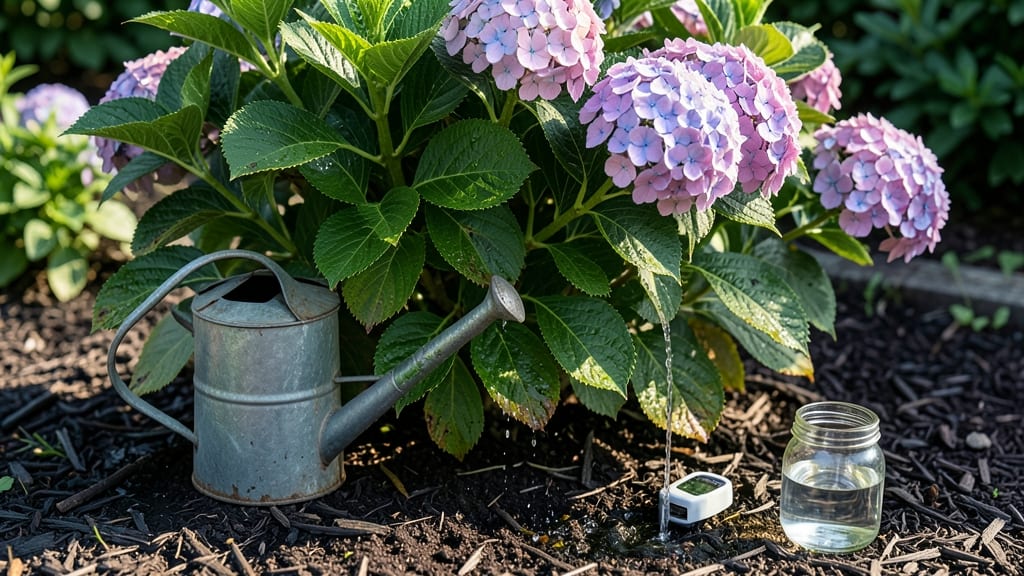
On the flip side, evening watering can create a greenhouse effect. Wet foliage sits overnight, trapping humidity and inviting powdery mildew or black spot on roses. I learned this the hard way when my hydrangeas developed fungal spots after switching to evening watering during a humid July.
The fix? Switching back to morning watering and adding fungicide cleared it up in two weeks.
But here’s the twist: climate matters. In desert areas like Arizona, evening watering can actually help cool the soil overnight, reducing heat stress on roots. Meanwhile, in tropical climates like Florida, morning watering is non-negotiable to avoid fungal epidemics.
Always check your local humidity levels—if it’s above 60% at night, stick to mornings.
For container gardens, the rules shift slightly. Potted plants dry out faster, so evening watering might be your only option if you work late. But use a self-watering pot or drip irrigation to deliver water slowly and directly to roots, bypassing the foliage entirely.
This mimics natural rainfall and cuts evaporation loss by 50%.
Pro tip: Mulch is your secret weapon. A 2-3 inch layer of organic mulch (like straw or wood chips) retains moisture, reducing the need for frequent watering. I’ve seen water savings of up to 40% in mulched beds compared to bare soil.
Pair this with morning watering, and you’ve got a low-maintenance, high-efficiency system.
So, which wins? Morning watering takes the crown for most gardeners, but your climate and plant types dictate the final call. Start with 6-9 AM as your baseline, adjust for humidity, and always watch your plants for stress signals.
Your garden will thank you with healthier roots, fewer pests, and more vibrant blooms this summer.
The 5 best times to water your garden in summer (beyond AM/PM)
Summer watering isn't just about morning vs. evening—it's about timing precision that matches your climate, soil type, and plant needs. While most gardeners stick to the classic AM/PM rules, the real game-changer is understanding micro-timing that cuts waste and boosts growth.
For example, pre-dawn watering can save up to 30% more water in desert climates than traditional morning schedules.
Your garden's watering window isn't a one-size-fits-all concept. Drip irrigation systems change the game entirely by delivering water slowly and consistently, while post-rain watering can actually harm your plants if done incorrectly.
Even the humidity levels in your region dictate whether evening watering is a safe bet or a fungal disaster waiting to happen. Let's break down the five optimal times that go beyond the basic AM/PM advice.
Pre-Dawn (4-6 AM)
Minimizes evaporation loss and fungal spores activation. Perfect for arid zones where every drop counts.
Early Morning (6-9 AM)
Balances root absorption and evaporation for most vegetables and flowers. Ideal for humid climates too.
Post-Rain (24-Hour Window)
Let soil absorb naturally first. Only water if topsoil feels dry—overwatering here wastes 20% more water.
Late Evening (After 8 PM)
Only for high-humidity zones. Otherwise, fungal risks (like powdery mildew) spike overnight.
Drip Irrigation (Any Time)
Slow, deep watering reduces waste by 40%+ and works 24/7. Best for container plants and drought-prone areas.
If you're using drip irrigation, the clock becomes irrelevant—this method delivers water directly to roots at a consistent pace, mimicking natural rainfall. I've seen gardens in Zone 9 cut their water usage by 50% just by switching to drip systems paired with pre-dawn timing.
For container gardens, this is especially critical since pots dry out 3x faster than in-ground soil.
Don't forget that soil type plays a huge role too. Clay soils hold moisture longer, so you might only need every 3-4 days even in peak summer, while sandy soils can dry out in under 24 hours.
Always check the top 2 inches of soil—if it's dry, it's time to water, regardless of your schedule. Pro tip: Use a soil moisture meter for 100% accuracy.
For heatwave conditions (when temps hit 90°F+), I recommend watering twice daily: once at pre-dawn and again at late afternoon (4-5 PM). This gives plants a double hydration boost without the fungal risks of evening watering.
Just be sure to avoid wetting foliage during these sessions to prevent sunburn on leaves.
Finally, mulching is your secret weapon for summer watering. A 3-inch layer of mulch (straw, wood chips, or shredded leaves) can reduce evaporation by 30% and keep roots 5-10°F cooler.
Pair this with any of the timing strategies above, and you'll see healthier plants with less effort. 🌱