
Tools
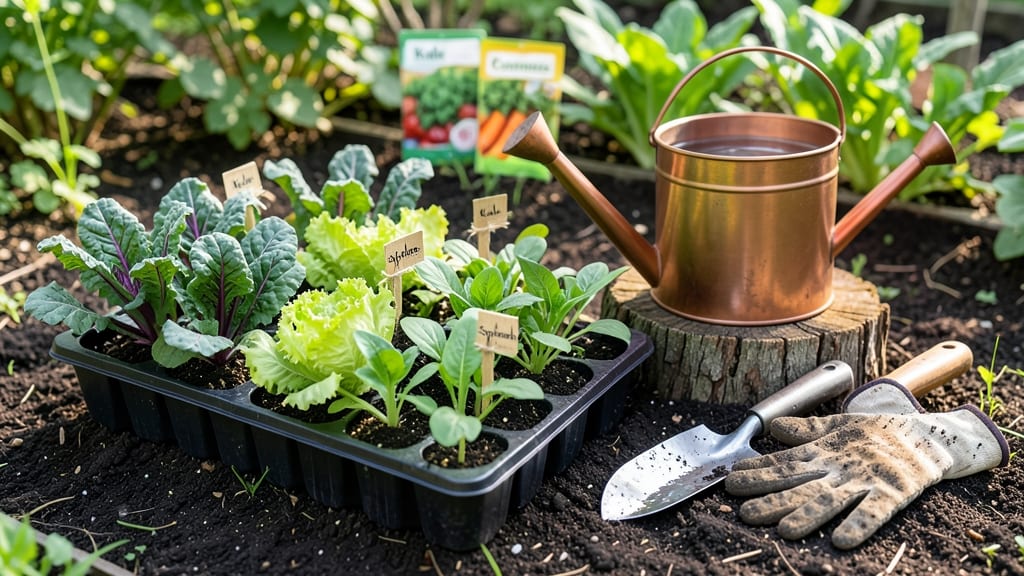
To start a fall garden, aim for 4-6 weeks before your first frost—usually late summer or early fall—so your crops mature before winter sets in.
Timing is everything in gardening—plant your fall crops too early, and they’ll bolt in the heat; too late, and frost will ruin your harvest. Here’s your heat-zone-specific guide to starting a fall garden just right.
In USDA Zone 6a, like many northern regions, your window is tight: August through early September is prime for sowing seeds or transplanting seedlings. Miss it, and you’ll either watch greens turn bitter or see roots freeze before they ripen.
Below, I break down the exact heat-zone timeline for cool-season crops like kale, carrots, and spinach, plus the 5 critical factors that determine success—so you can plan with confidence and harvest until the snow flies.
Fall planting timeline by USDA heat Zones: when to start seeds vs. transplants
Timing your fall garden correctly means the difference between a bountiful harvest and wasted effort. Cool-season crops like kale, carrots, and spinach thrive when planted at the right moment—too early, they’ll bolt in summer heat; too late, frost will kill them before maturity.
Your USDA heat zone dictates the perfect window for both direct sowing seeds and transplanting seedlings, so let’s break it down by zone.
In Zones 3-5, where summers are short and winters harsh, you’ll start earlier to beat frost. Meanwhile, Zones 7-10 offer longer growing seasons, giving you more flexibility—but still require precision. The key is calculating your first frost date and working backward, adjusting for crop maturity times.
For example, a 60-day spinach variety needs to be in the ground 60 days before frost.
Here’s your zone-by-zone guide, including ideal dates for direct seeding vs. transplanting, plus pro tips for each region. Use this as your roadmap to a productive fall garden.
⚠️ CRITICAL NOTE: Always check your local frost dates—they can vary by 1-2 weeks even within the same zone. Adjust accordingly!
In Zones 3-4, where summers are brief, start direct sowing as early as late July for fast-maturing crops like radishes and lettuce. Transplant seedlings in early August to give them enough time to establish before frost. Use row covers or cold frames to protect tender greens from early chills.
For Zones 5-6, you’ve got a slightly longer window. Begin direct sowing in mid-July for cool-hardy crops like spinach and peas, then transplant broccoli or kale seedlings in late July. Aim to harvest before hard frosts hit in October. Succession planting every 2 weeks ensures a steady supply.
In warmer Zones 7-8, you can push your fall garden later. Start direct sowing in late August for leafy greens and transplant seedlings in September. Focus on cold-tolerant varieties like collards or Swiss chard, which can handle light frosts. These zones also allow for winter harvesting with protection.
If you’re in Zones 9-10, you’re lucky—your fall season stretches into October! Begin direct sowing in September for quick crops like radishes and transplant brassicas (cabbage, Brussels sprouts) in October. Use mulch to insulate soil and extend the growing season into winter.
Pro tip: Soil temperature matters just as much as air temperature. Aim for 50-70°F for most cool-season crops. Use a soil thermometer to check before planting—cool soil slows germination. If your soil is too warm, wait a few days or use shade cloth to cool it down.
Don’t forget to harden off seedlings before transplanting, especially if you’re moving them from indoors or a greenhouse. Gradually expose them to outdoor conditions over 7-10 days to prevent shock. This step is crucial for transplanted seedlings like broccoli or cabbage, which are more vulnerable to stress.
Finally, keep an eye on daylight hours. As fall progresses, shorter days
5 Critical factors that determine your fall garden’s success (and when to adjust)
Your fall garden’s success hinges on more than just heat zones—it’s about understanding soil temperature thresholds, local frost dates, and how daylight hours shrink as autumn arrives. These factors often override generic planting charts, forcing adjustments even within the same zone.
For example, my Zone 6 garden thrives with bok choy planted in early September, but a late summer heatwave can push that window back by weeks.
Start by checking your average first frost date—this isn’t just about the calendar. In my area, the USDA Zone 6 frost date is October 15, but microclimates (like hilltops or valleys) can shift this by 10 days or more.
I once lost an entire spinach crop because I ignored my neighbor’s frost warning—his yard froze three nights earlier than mine. Always verify with your local cooperative extension service.
Soil temperature is the silent game-changer. Most cool-season crops need soil between 45°F and 75°F to germinate. I test mine with a soil thermometer—if it’s above 80°F, even radishes will bolt.
In 2022, my kale seeds sat dormant for two weeks because the soil stayed stubbornly warm. A simple fix? Wait until evening soil temps drop below 70°F before sowing.
-
1. Soil Temperature Thresholds
Cool-season crops need 45°F–75°F soil. Use a thermometer to test before planting. Wait until evening temps drop below 70°F for seeds to germinate properly. -
2. Frost Date Flexibility
Plant 4–6 weeks before first frost, but adjust for microclimates. Check local records—your yard may frost 3–10 days earlier than the USDA average. -
3. Daylight Hour Decline
Days shorten by 2–3 hours from August to October. Fast-growing crops (30–50 days to maturity) like lettuce or radishes work best in early fall. -
4. Crop Maturity Timelines
Match planting dates to harvest windows. A 60-day kale planted September 1st in Zone 7 won’t mature before frost—shift to August 15th instead. -
5. Adjustment Triggers
Watch for heatwaves, unusual rainfall, or pest surges. If soil stays hot, delay planting by 1–2 weeks. If pests spike, use row covers instead of replanting.
Daylight hours shrink faster than you think. From August to October, my garden loses 2–3 hours of sun daily. This forces me to prioritize fast-maturing crops like bush beans (50 days) over cabbage (80 days) in late September.
Pro tip: Use a sunlight tracker to map your garden’s light exposure—shady corners may only get 4 hours of sun, limiting options to shade-tolerant greens like arugula.
Crop maturity times are non-negotiable. I once planted broccoli on August 20th in Zone 5, assuming 70 days to harvest. By October 10th, frost hit—and my plants were still flowering. Lesson learned: For my zone, broccoli must go in by mid-August to mature before the first freeze.
Always cross-reference seed packets with your local frost dates and subtract the days to maturity.
Finally, know your adjustment triggers. A late summer heatwave? Delay planting by 1–2 weeks. Unusual rainfall? Amend soil to prevent waterlogging. Pest outbreaks? Use row covers instead of replanting.
My 2023 garden thrived because I shifted from direct sowing to transplants when cucumber beetles decimated my cucumber starts—saving my harvest and my sanity.
Start with these five factors, and your fall garden will reward you with bold flavors and bountiful harvests—no guesswork required. Happy planting! 🌱