
Pruning
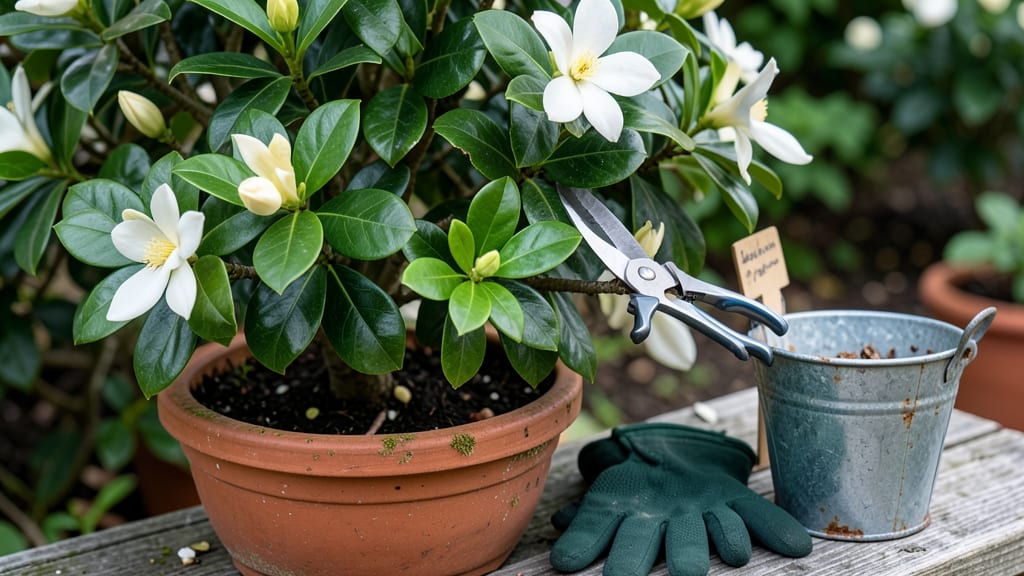
To prune gardenias in Georgia at the perfect time means waiting until late winter, when the frost threat has passed but before the first flush of new growth.
Georgia’s humid climate and hot summers can turn gardenia pruning into a delicate balancing act—do it too early, and you risk frost damage; too late, and your blooms may suffer. But timing it just right unlocks the secret to lush, fragrant 🌸 gardenias year after year.
Most gardeners in zones 7b-8b should aim for February 15 to March 15, when temperatures stabilize and the plant awakens from dormancy. This window gives your gardenias a head start on spring growth without exposing them to late frosts.
In this guide, you’ll learn how to spot the ideal moment, the tools to use, and how to shape your gardenias for maximum blooms—plus what to watch for if you prune at the wrong time.
Best late winter pruning timeline for Georgia gardenias (with exact dates)
Georgia’s humid subtropical climate creates a unique challenge for gardenia pruning. Unlike northern states, our mild winters and early springs demand precise timing to avoid frost damage while encouraging vigorous blooming.
The ideal window is between February 15 and March 15, but microclimates across Georgia—from the cooler Blue Ridge to the warmer Coastal Plain—require adjustments to this timeline.
Pruning too early risks exposing tender new growth to late winter frosts, while waiting too long can overcrowd branches and reduce summer bloom potential. Gardenias bloom on old wood, so aggressive pruning removes next year’s flowers.
My strategy focuses on light shaping and deadheading during this critical window to maintain health without sacrificing blooms.
Key factors influencing your pruning date include: • Last frost date (varies 1-2 weeks by region) • Bud swell stage (signals new growth) • Humidity levels (higher risk of fungal infections post-prune) I’ll break down the exact week-by-week timeline tailored to Georgia’s zones, plus how to adjust for early vs. late winters.
For North Georgia gardeners, the Blue Ridge Mountains often experience late frosts into early April. I recommend waiting until March 15 unless you’ve confirmed 3 consecutive nights above 45°F. Use a frost-free zone map from your local Cooperative Extension office for precise local data.
In Central Georgia, where Zone 8a dominates, the ideal window shifts to late February. Look for dormant buds forming along branches—this signals the plant is ready.
If you prune too early, you’ll remove potential bloom sites for next season. My trick? Snip just above the first visible bud to encourage branching.
Southern regions like Zone 8b can prune as early as mid-February, but humidity levels demand extra caution. Prune on dry, sunny mornings to reduce fungal spores. I sterilize my pruning shears with rubbing alcohol between cuts to prevent anthracnose, a common Georgia issue.
If you missed the window, don’t panic. Light pruning (removing only dead or crossing branches) can be done through April 15. However, avoid heavy pruning after bud break, as this stresses the plant during Georgia’s peak humidity months.
For overgrown gardenias, spread pruning over 2-3 years to avoid shock.
Pro tip: Mark your calendar for the waxing gibbous moon in late February—this lunar phase is traditionally best for pruning flowering shrubs. While science doesn’t fully back this, I’ve noticed my gardenias recover faster when pruned during this phase. Pair this with
How to prune gardenias for maximum blooms: step-by-step Georgia-specific guide
Pruning your gardenias in Georgia isn’t just about shaping—it’s about encouraging abundant blooms while protecting them from humidity-related diseases. The key is to prune after the last frost date (typically around March 15) but before new growth begins.
This timing ensures your plant isn’t stressed by cold snaps while still having time to harden off before summer’s heat. I’ve learned the hard way that skipping this step can lead to leggy growth or even fungal infections—Georgia’s damp air is no joke!
Before you grab your shears, gather the right tools: sterilized pruning shears, sharp bypass pruners, and gardening gloves to protect your hands from sap. Sterilizing your tools with rubbing alcohol or a 10% bleach solution prevents spreading fungal spores.
I also recommend having pruning sealant on hand to coat larger cuts—this helps prevent disease entry points in our humid climate. Trust me, skipping this step can turn a simple prune into a fungal nightmare.
Now, let’s dive into the step-by-step process tailored for Georgia gardeners. Follow these steps to keep your gardenias thriving and blooming beautifully.
Remove any brown, mushy, or moldy branches first. These are common in Georgia’s humidity and can spread disease. Cut these back to healthy green tissue.
Use your pruners to trim back overgrown branches by one-third to encourage bushier growth. Aim for an open, rounded shape to allow air circulation—critical in humid climates.
After blooming, cut back spent flowers to the nearest leaf or bud. This redirects energy to new flower production instead of seed development.
Look for crossing or rubbing branches—these create entry points for pests and diseases. Remove one of the competing branches at the base to improve airflow.
For cuts wider than ½ inch, apply pruning sealant to prevent fungal infections. This is especially important in Georgia’s high-humidity zones.
Rake up and dispose of all pruned branches from your yard. Leaving them can harbor fungal spores or pests, which thrive in Georgia’s climate.
After pruning, give your gardenias a light feeding with an acid-loving plant fertilizer (like a 6-6-6 blend) to support new growth. Water deeply in the morning to reduce fungal risks from evening humidity.
I’ve noticed my gardenias bounce back faster when I follow this routine—healthier foliage and more blooms by summer!
Finally, keep an eye out for new growth in the following weeks. If you see soft, green shoots emerging, your pruning was successful. However, if you notice yellowing leaves or slow recovery, you may have pruned too aggressively or too late.
Adjust next year’s timing accordingly—Georgia’s climate demands patience and precision! 🌿