
Planting
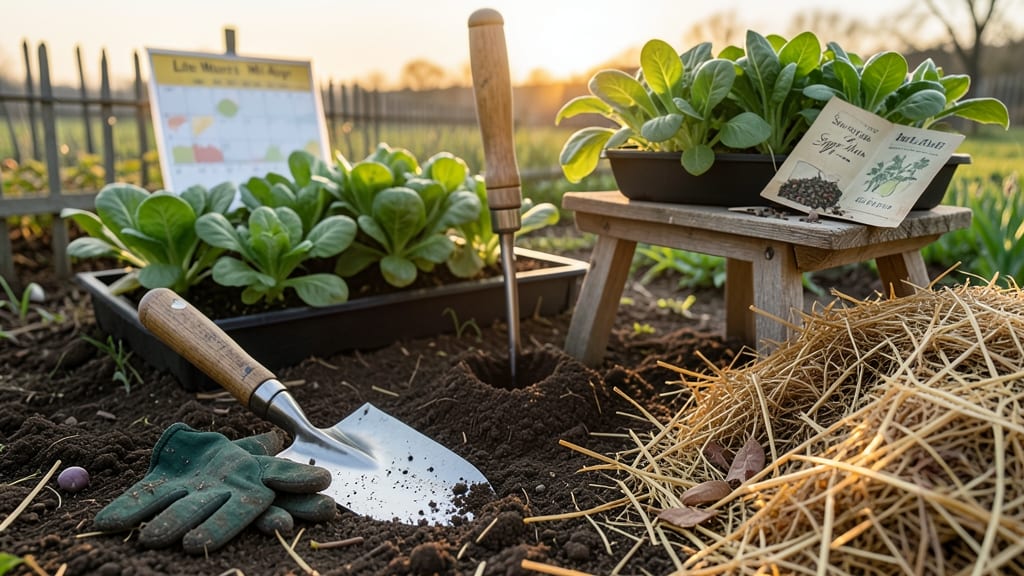
Planting a garden in Upstate NY after the last frost date is the key to avoiding frost damage and maximizing your harvest—so timing matters more than most gardeners realize.
Upstate NY’s unpredictable frost dates can turn your gardening dreams into a guessing game unless you know the exact timing for planting each crop. Get your garden off to a perfect start with this frost-date guide tailored to Upstate NY’s unique climate zones.
From cool-season crops like spinach and peas to warm-season favorites like tomatoes and peppers, the right timing ensures your plants thrive in USDA zones 5b-6b. We’ll break down when to plant for your specific location, whether you’re in Syracuse, Rochester, or the Adirondacks.
Learn how to adjust for late frosts, early heatwaves, and soil temperature fluctuations—plus, discover pro tips for extending your growing season with row covers and cold frames.
Upstate NY frost dates by Zone: when to plant cool vs warm-season crops
Upstate NY’s gardening season hinges on understanding frost dates and USDA hardiness zones. From the Adirondacks (Zone 5) to Rochester (Zone 6), last spring frosts can vary by 2–3 weeks.
Knowing these dates ensures you plant cool-season crops like spinach at the right time while avoiding frost damage to warm-season crops like tomatoes.
Cool-season crops thrive in 45–65°F soil and can handle light frosts, while warm-season crops need consistent 60°F+ soil. My garden in Syracuse (Zone 6a) has taught me that timing is everything—planting too early risks frost damage, and planting too late shortens harvests.
Let’s break down the average frost dates by zone and how to adjust for your microclimate.
| Zone | Last Spring Frost | First Fall Frost | Cool-Season Planting | Warm-Season Planting |
|---|---|---|---|---|
| Zone 5 (Adirondacks, Western NY) | April 20–May 5 | October 5–15 | 4–6 weeks before last frost (March 25–April 10) | 2 weeks after last frost (May 15–30) |
| Zone 5b (Northern Finger Lakes) | April 25–May 10 | October 10–20 | 4 weeks before last frost (March 30–April 15) | 2 weeks after last frost (May 10–25) |
| Zone 6a (Syracuse, Ithaca) | April 15–May 1 | October 15–25 | 4 weeks before last frost (March 20–April 5) | 2 weeks after last frost (April 30–May 15) |
| Zone 6b (Rochester, Buffalo) | April 10–20 | October 20–30 | 3–4 weeks before last frost (March 15–April 1) | 2 weeks after last frost (April 25–May 10) |
| Zone 7 (Southern Tier, near PA border) | April 5–15 | October 30–November 5 | 3 weeks before last frost (March 10–25) | 2 weeks after last frost (April 20–May 5) |
Use these dates as a starting point, but always check your local Almanac’s frost predictions or use a soil thermometer (soil must be 50°F+ for warm-season crops). Microclimates—like south-facing slopes or urban heat islands—can shift frost dates by 1–2 weeks.
For example, my garden in Ithaca’s valley warms faster than the Cayuga Lake hills.
For cool-season crops like spinach, peas, and kale, plant 4–6 weeks before your last frost date. These crops tolerate light frosts (28–32°F) and even thrive in cool soil (40–50°F).
Start seeds indoors 6–8 weeks before the last frost if your growing season is short. In Zone 5, this means sowing spinach indoors by March 1.
Warm-season crops—like tomatoes, peppers, and cucumbers—need consistent warmth and won’t germinate in cold soil (<50°F). Wait until 2 weeks after your last frost date to plant these outdoors.
For Zone 6a (Syracuse), that’s April 30–May 15. To extend your season, use row covers or black plastic mulch to warm the soil faster.
Adjust for late frosts by planting fast-maturing varieties or using cold frames. In my garden, bush beans (ready in 50 days) are a safer bet than pole beans (ready in 60+ days) if frost lingers.
For peppers and eggplants, which need 80+ days, start seeds indoors by March 15 and transplant after Memorial Day.
Fall planting follows the same logic but works backward. Cool-season crops like broccoli and carrots can be sown 8–10 weeks before your first frost. In Zone 6a, that’s August 1–15.
Warm-season crops like sweet potatoes should be planted by June 15 to mature before frost. Always check seed packet instructions for days-to-maturity
Plant-specific timing guide: exact weeks before/after last frost for Upstate NY
Upstate NY’s frost dates can feel like a moving target, but mastering them unlocks your garden’s full potential. Whether you're in Syracuse’s Zone 5b or the Adirondacks’ Zone 4b, knowing the exact weeks before/after last frost for each crop ensures you’re planting at the perfect moment.
I’ve broken down the timing for 15+ essential crops—plus pro tips to stretch your growing season with row covers or cold frames.
For example, cool-season crops like kale and peas thrive when planted 4–6 weeks before your last frost date, while warm-season crops such as tomatoes and peppers need to wait until 2 weeks after frost has passed.
Below, I’ve mapped out the precise timing for your region, adjusted for USDA Zones 5–7, so you can avoid common mistakes like bolting lettuce or stunted tomatoes.
Pro tip: Extend your season by using low tunnels or hoop houses to protect tender crops like spinach or kale through early fall. In Syracuse’s Zone 5b, I’ve successfully harvested garlic scapes until late June with just a lightweight row cover.
For warm-season crops, like eggplants, start seeds indoors 8–10 weeks before your last frost date—this gives them a head start before transplanting.
Don’t forget to monitor soil temperatures with a soil thermometer. Most warm-season crops need soil at 60°F+ to thrive, while cool-season crops can handle 40–50°F. In Rochester’s Zone 6, I’ve found that direct-seeding beans after Memorial Day (when soil hits 55°F) gives them the best start.
Adjust these timings by 1–2 weeks if your area has a history of late frosts—better safe than sorry!
For fall planting, aim to sow cool-season crops like turnips or radishes 8–10 weeks before your first frost date (typically mid-October in Upstate NY). This ensures they mature before winter sets in.
And if you’re in the Adirondacks’ Zone 4b, consider cold-hardy varieties like Swiss chard or Winterbor kale, which can handle light frosts and even improve in flavor after a