
Planting
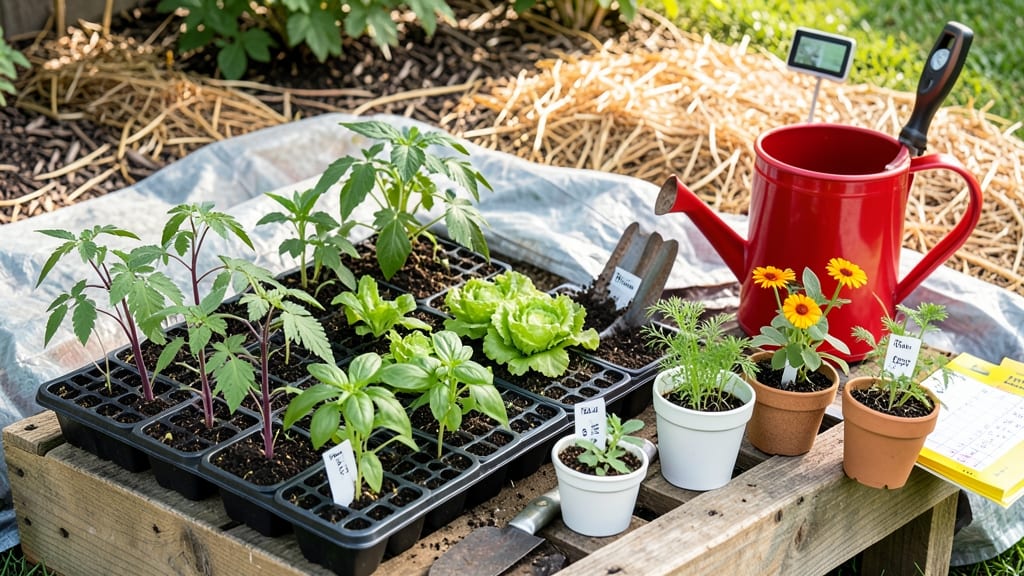
To plant your garden in Pennsylvania at the right time means catching the sweet spot between last frost and peak soil warmth—usually mid-April to early May, but it varies wildly across zones 5b-7a.
Picture this: You’ve prepped the soil, ordered seeds, and cleared your schedule for planting day—only to watch a late frost wipe out your 🌱 General Garden Plants before they even sprout. Or worse, you plant too late and end up with stunted tomatoes or bolting lettuce.
Timing isn’t just about avoiding frost; it’s about aligning with your local microclimate, whether you’re in Pittsburgh’s urban heat islands or the cooler Poconos.
Pennsylvania’s planting calendar isn’t one-size-fits-all. Cool-season crops like peas and spinach can handle early spring soil, while heat-lovers like peppers and eggplants need to wait until the ground hits 60°F.
Then there’s fall planting—kale and carrots thrive when days grow shorter, but you’ve got to beat that first frost by mid-October.
In this guide, I’ll break down the exact windows for your region, how to adjust for microclimates, and the 3 key rules that’ll save your garden from common timing mistakes—so you can finally grow the harvest you’ve been dreaming of.
Pennsylvania’s planting zones: when to start seeds indoors vs. direct sowing outdoors
Pennsylvania spans USDA hardiness zones 5b through 7a, creating a diverse gardening landscape where timing is everything. In the Poconos (Zone 5b), gardeners face shorter growing seasons, while southeastern PA (Zone 7a) enjoys longer frost-free periods.
Understanding these zones helps you decide whether to start seeds indoors or direct-sow outdoors for the best results.
Your last frost date typically falls between April 15 and May 15, depending on elevation and microclimate. Meanwhile, first frost arrives between October 1 and November 1. These dates are your growing season bookends, but soil temperature and plant type also dictate when to plant.
Cool-season crops like lettuce, peas, and spinach thrive in cooler temperatures (50-65°F) and can often be direct-sown outdoors as early as March or early April. In contrast, warm-season crops such as tomatoes, peppers, and cucumbers need warmer soil (at least 60°F) and are best started indoors 6-8 weeks before your last frost.
For Zone 5b gardeners, starting cool-season crops outdoors in March gives them a head start before summer heat arrives. Meanwhile, warm-season crops must wait until soil warms to at least 60°F, which typically happens in late May or early June in the Poconos.
Use a soil thermometer to confirm readiness—this small tool can save your seedlings from cold shock.
In Zone 6a (Central PA), you have more flexibility. Peas and lettuce can often be direct-sown as early as mid-March, while tomatoes and peppers can start indoors in late February for a May transplant.
This zone also allows for fall planting of kale, carrots, and radishes as late as early September for a winter harvest.
Gardeners in Zone 7a (Southeast PA) enjoy the longest growing season, with last frost dates as early as April 1 in some areas. This means you can start warm-season crops indoors in January and transplant by mid-April.
Take advantage of this extended season by succession planting bush beans or zucchini every 2-3 weeks for continuous harvests.
Always check your local frost-free date maps—tools like the National Gardening Association’s Frost Calculator provide hyper-localized data. Pair this with a garden journal to track your own microclimate patterns, such as how urban heat islands or protected garden
Best month-by-month planting schedule for Pennsylvania gardens
Timing your Pennsylvania garden correctly means the difference between a flourishing harvest and wasted effort. With USDA zones 5b-7a, we enjoy a 165-day frost-free season—but each month offers unique opportunities.
Start with cool-season crops in early spring, then transition to warm-season plants as temperatures rise. Don’t forget fall planting for hardy greens and root vegetables!
My month-by-month guide covers everything from seed-starting indoors to succession planting strategies. Whether you’re a beginner or seasoned gardener, these deadlines will help you maximize your garden’s potential—no more guessing when to plant!
- 🌱 March: Start cool-season seeds indoors (broccoli, cabbage) and hardy perennials like asparagus. Plant garlic and onion sets.
- 🌿 April: Direct-sow peas, spinach, and lettuce. Transplant seedlings after last frost (mid-April in most zones).
- ☀️ May: Plant tomatoes, peppers, and cucumbers after soil warms to 60°F. Succession-sow beans and carrots every 2 weeks.
- 🌻 June: Direct-sow squash, corn, and melons. Transplant fall broccoli for late harvests.
- 🍂 July-August: Plant kale, Brussels sprouts, and radishes for fall harvests. Start cool-season flowers like pansies.
- 🌰 September: Sow garlic, onions, and cover crops (clover, winter rye). Transplant hardy perennials like lavender.
In March, focus on early prep—amend soil with compost and set up cold frames for tender seedlings. My go-to crops for this month are garlic (plant by March 15) and onion sets, which thrive in PA’s cool spring soils.
Don’t forget to harden off seedlings started indoors before transplanting in April!
By May, your garden should be buzzing with warm-season action. This is peak time for tomatoes, peppers, and eggplants, but only after soil temperatures hit 60°F.
I always test soil warmth with a thermometer—if it’s cooler, wait! Succession planting is key too; sow beans and carrots every 2 weeks for continuous harvests.
Don’t overlook fall planting—it’s a gardener’s secret weapon! In August and September, focus on kale, Brussels sprouts, and radishes, which sweeten after frost.
I also plant garlic in late September for next year’s harvest. Cover crops like clover prevent erosion and add nitrogen to the soil over winter.
As October approaches, shift to winter prep. Remove spent plants, mulch heavily (4-6 inches), and plant spring-blooming bulbs like tulips. My final task? Mark your calendar for next year’s first frost date—usually October 15—to plan your fall planting window.