
Planting
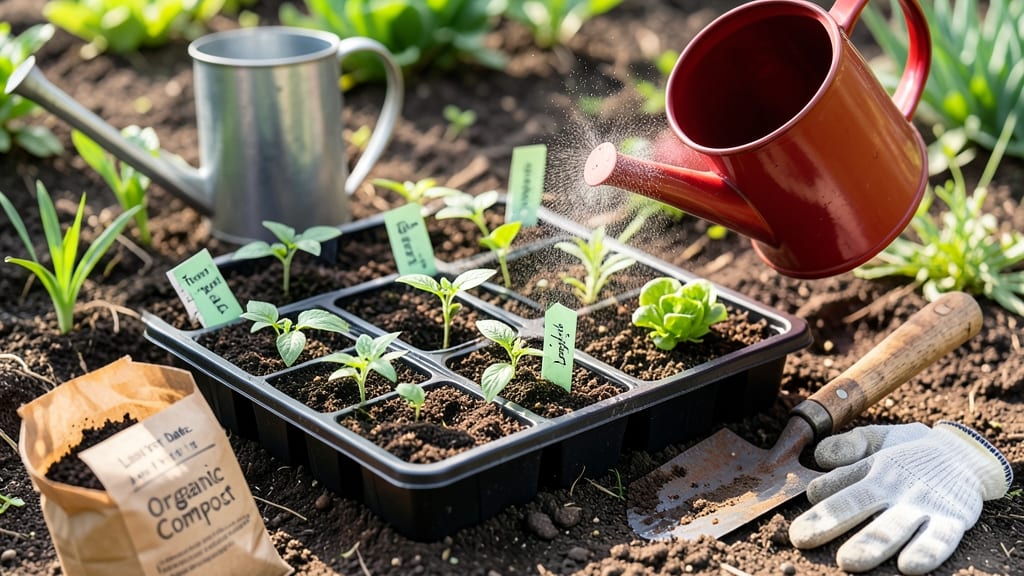
Planting your garden in Ohio at the right time means the difference between a bountiful harvest and a sad, frost-nipped disappointment.
Ohio’s unpredictable frost dates can turn your gardening dreams into a guessing game—but knowing the right planting windows ensures your tomatoes, peppers, and flowers thrive all season long. Whether you're in chilly Northeast Ohio or milder Southwest Ohio, timing is everything for a bountiful harvest.
Spring planting kicks off after your last frost date, which typically lands between mid-April and late May, depending on your zone. But fall is just as critical, with cool-season crops like spinach and kale needing a head start before the first frost in October.
Below, I break down the exact planting calendar for Ohio’s USDA Zones 5-6, including when to start seeds indoors, transplant seedlings, and succession-plant for nonstop harvests—so you never miss a beat.
Ohio frost dates by Zone: when to plant cool vs warm-season crops
Ohio's frost dates vary dramatically across its USDA Zones 5b-6a, creating distinct planting windows from Northeast to Southwest. In Zone 5b (e.g., Cleveland, Toledo), the average last frost arrives around April 15, while Zone 6a (e.g., Columbus, Cincinnati) typically sees frost-free conditions by April 1.
These dates dictate whether you can safely plant warm-season crops like tomatoes or cool-season crops like spinach.
Understanding these microclimates is key—valleys often frost 2-3 weeks later than hilltops, and urban areas may warm up 5-7°F faster than rural zones.
For example, Cincinnati's frost dates (Zone 6a) allow early cucumber and pepper planting by April 15, while Akron's Zone 5b gardeners should wait until May 1 to avoid frost damage.
| Zone | Avg Last Frost | Avg First Frost | Cool-Season Window | Warm-Season Window |
|---|---|---|---|---|
| Zone 5b (Northeast) | April 15 | October 20 | March 1 - April 15 | May 15 - June 15 |
| Zone 6a (Central) | April 1 | October 15 | February 15 - April 1 | April 20 - May 15 |
| Zone 6b (Southwest) | March 20 | October 30 | January 15 - March 20 | March 25 - April 15 |
For cool-season crops like kale, carrots, and peas, you can start seeds indoors as early as February in Zone 6a, while Zone 5b gardeners should wait until March 1 to avoid frost damage.
Direct-sow these crops 2-4 weeks before your average last frost date—for example, spinach in Zone 6a goes in by March 15, but Zone 5b waits until April 1.
Warm-season crops like tomatoes, peppers, and squash demand patience—plant them 2 weeks after your last frost date to ensure soil temperatures exceed 50°F.
In Zone 5b, this means waiting until May 15, while Zone 6a can start as early as April 20. Basil and cucumbers are especially sensitive to chilly soils, so use black plastic mulch to warm the ground faster.
Microclimates play a huge role—low-lying areas (like valleys) may experience frost 10-14 days later than nearby hills. If your garden sits in a frost pocket, opt for fast-maturing varieties (e.g., Early Girl tomatoes) or use row covers to extend the season.
Conversely, south-facing walls can create microclimates 5-10°F warmer, allowing earlier planting of heat-loving crops like eggplant.
Ohio’s first frost dates also vary—Zone 5b typically sees frost by October 20, while Zone 6a holds off until October 15. This means fall planting of cool-season crops like broccoli or radishes should begin 6-8 weeks before your first frost.
For Zone 5b, that’s September 1, while Zone 6a can extend planting to September 15.
To hedge your bets, start warm-season crops indoors in March (e.g., tomato and pepper seedlings) and transplant after your last frost date. For cool-season crops, practice succession planting—sow lettuce every 2 weeks from March to August to ensure a continuous harvest.
Always check local almanac records for the past 5 years to account for climate variability.
Pro tip: Use frost-sensitive plants like marigolds as early warning systems—if they wilt overnight, your tomatoes and peppers need protection. In Zone 5b, delay planting squash until May 20 to avoid cold soil shock, while Zone 6a can safely
Ohio planting calendar: month-by-month guide for tomatoes, peppers, and more
Ohio gardeners know timing is everything—especially when warm-season tomatoes and peppers need heat to thrive, while lettuce and carrots bolt in summer’s swelter. My month-by-month guide breaks down Ohio’s planting windows, from frost-sensitive squash to hardy spinach, plus succession planting tricks to keep your harvests flowing.
I’ll also spotlight Ohio-bred varieties that handle our humid summers and cool springs like pros.
Start with cool-season crops in early spring, then shift to warm-season staples after the last frost. In Northeast Ohio (like Cleveland), wait until mid-May for tomatoes, while Southwest Ohio (Cincinnati area) can plant 2 weeks earlier.
I’ll show you how to stretch your season with succession planting—sowing radishes every 2 weeks for nonstop harvests or replacing bush beans as they finish.
- 1 March-April: Start cool-season crops indoors (lettuce, spinach) and sow hardy peas and radishes outdoors after soil warms to 40°F.
- 2 Late April-Early May: Transplant broccoli and cauliflower; direct-sow carrots and beets when soil hits 50°F.
- 3 Mid-May (after last frost): Plant tomatoes, peppers, and squash—choose Ohio-friendly varieties like 'Mountain Merit' tomatoes or 'Carolina Wonder' peppers.
- 4 June-July: Succession plant bush beans and summer squash every 2 weeks; direct-sow fall lettuce for late harvests.
- 5 August-September: Start cool-season crops again (kale, Brussels sprouts) and plant garlic for next year’s harvest.
For warm-season crops, my rule is: wait until soil is 60°F+ and nighttime temps stay above 50°F. In Zone 5 (Northeast Ohio), that’s usually mid-May, while Zone 6 (Southwest Ohio) can start early May.
I swear by 'Patio' tomatoes for containers—they’re compact and handle Ohio’s humidity better than standard varieties.
Don’t forget succession planting! Sow radishes every 2 weeks from spring to fall for a steady supply, or replace bush beans with fall spinach as they finish.
My late-summer tip: Plant bok choy or turnips in August—they’ll thrive in cooler fall temps and give you greens when other crops fade.
Ohio’s first frost typically hits mid-October in the north and late October in the south. Use this time to harvest remaining crops and plant garlic or overwintering onions. I’ve had kale and Brussels sprouts survive light frosts, but always cover them with row fabric for extra protection.
Pro tip: Keep a planting journal to track your Ohio-specific timeline. Note when tomatoes ripen or peppers turn sweet—this helps you adjust future plantings. With this calendar, you’ll avoid the heartbreak of frost-nipped tomatoes or bolting lettuce and enjoy a garden that’s always in sync with Ohio’s unpredictable weather.