
Planting
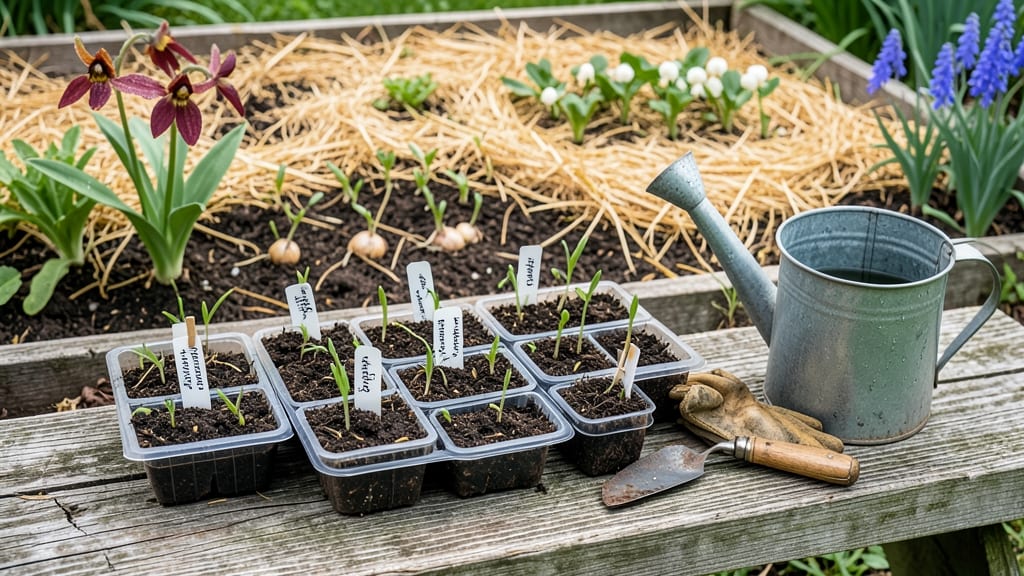
Planting your garden in Missouri at the right time means the difference between a thriving harvest and wasted effort — and the exact dates depend on whether you're in St. Louis, Kansas City, or the Ozarks. ⏳
Missouri’s diverse climate—from humid summers to chilly winters—means planting your garden at the wrong time can mean the difference between a bountiful harvest and wasted seeds. Get the exact zone-specific dates to maximize your yields, whether you're growing tomatoes in St. Louis or zucchini in Kansas City.
With USDA zones ranging from 5b to 7a, Missouri gardeners face unique challenges, like late spring frosts in the north and scorching summers in the south. The key is knowing your last frost date—typically around April 15—and adjusting for microclimates, such as urban heat islands or sheltered valleys.
In this guide, you’ll discover month-by-month planting calendars, soil prep tips tailored to Missouri’s soil types, and pro strategies to extend your growing season—so you can enjoy fresh veggies from spring to fall without guessing.
Missouri planting zones & last frost dates by region
Missouri spans USDA Hardiness Zones 5b through 7a, creating distinct growing conditions from north to south. In Zone 5b (northwest Missouri), gardeners face shorter growing seasons with later last frosts, while Zone 7a (southern Missouri) enjoys extended summers perfect for heat-loving crops like okra and sweet potatoes.
Understanding these zones helps you time plantings for maximum success.
Your last spring frost date determines when to plant warm-season crops like tomatoes and peppers. In St. Louis (Zone 6b), the average last frost falls around April 15, while Kansas City (Zone 6a) sees its last frost about 5 days later.
Southern Missouri (Zone 7a) can start planting 2-3 weeks earlier than northern regions.
Here’s a quick reference for Missouri’s last frost dates by region and how they impact your planting schedule:
| Zone | Region | Avg. Last Frost | Avg. First Frost | Growing Season | Heat-Tolerant Crops |
|---|---|---|---|---|---|
| 5b | Northeast (e.g., St. Joseph) | April 25 | October 10 | 135 days | Peppers, Eggplant |
| 6a | Central (e.g., Columbia) | April 15 | October 15 | 180 days | Tomatoes, Cucumbers |
| 6b | St. Louis Metro | April 10 | October 20 | 195 days | Okra, Sweet Potatoes |
| 7a | Southeast (e.g., Poplar Bluff) | March 25 | November 5 | 225 days | Peanuts, Southern Peas |
For Zone 7a, the extended growing season lets you push the limits with heat-tolerant varieties. Try ‘Celebrity’ tomatoes or ‘Arkansas Traveler’ okra, which thrive in Missouri’s summer heat.
In Zone 5b, focus on early-maturing crops like ‘Early Girl’ tomatoes or ‘Blue Lake’ bush beans to beat the clock.
Adjust your planting dates based on microclimates. Urban areas like St. Louis may experience urban heat islands, allowing earlier plantings for heat-loving crops. Conversely, rural areas with colder nighttime temps might need to wait an extra week before planting tender greens like basil or lettuce.
Missouri’s fall planting window opens after the first frost, typically in late September for cool-season crops like spinach, kale, and carrots. In Zone 7a, you can extend this window until November 1, while Zone 5b gardeners should aim to plant by September 15 to avoid winter kill.
Use row covers or cold frames to protect early plantings from late frosts. I’ve successfully extended my spring planting by 2 weeks using lightweight frost blankets, which shield seedlings from 28°F temps without overheating the soil. This trick works especially well for broccoli and cabbage in Zone 6a.
Missouri’s humid summers can stress plants, so mulch heavily to retain moisture and cool roots. In Zone 7a, prioritize drought-resistant varieties like ‘Black Beauty’ zucchini or ‘Moon and Stars’ watermelon, which handle the heat better than standard types.
Always check soil moisture at 2 inches deep—if it’s dry, it’s time to water.
For perennial plants, like asparagus or rhubarb, divide and transplant in early spring (March) or early fall (September) when soil temps are 50-60°F. These hardy plants establish roots before dormancy, ensuring stronger growth next season. In Zone 6b, I’ve found that asparagus crowns planted
Best crops to plant by month in Missouri’s climate
Missouri’s spring and fall seasons offer the best planting windows for most crops, but timing varies by USDA Zone and plant type. In Zone 5b-6b, cool-season crops like spinach and peas thrive in early spring, while heat-lovers like tomatoes and peppers need summer’s warmth.
Fall planting extends harvests with kale and carrots, which tolerate light frosts.
To maximize your garden’s potential, align planting with Missouri’s average last frost (April 15) and first frost (October 15). Early spring and late summer are ideal for direct sowing, while transplants like tomato seedlings should wait until soil warms to 60°F.
Below, I’ve broken down the best crops for each month, tailored to Missouri’s climate quirks.
Missouri’s humid summers demand heat-resistant varieties, like ‘Heatmaster’ tomatoes or ‘Early Girl’ peppers, which thrive in Zone 6’s heat. For fall gardens, prioritize cold-hardy crops such as kale and carrots, which sweeten after frost.
In Zone 5b, opt for earlier maturing varieties to avoid fall frosts.
Pro tip: Use succession planting for bush beans and lettuce to stretch harvests. In St. Louis (Zone 6a), start tomatoes indoors in March for early outdoor transplanting, while Kansas City (Zone 5b) gardeners should wait until mid-May to avoid late frosts.
Adjust for microclimates, like south-facing beds that warm faster.
Don’t overlook herbs and flowers! Plant basil and marigolds in late spring for summer blooms, and chives and thyme in fall for early spring greens. With this month-by-month guide, your Missouri garden will yield bountiful harvests year-round. 🌱