
Planting
To plant a garden in Maine, timing is everything—your last frost date is the single most important factor between a thriving harvest and a frozen disappointment.
Maine’s unpredictable frost dates can turn a gardener’s dream into a frozen nightmare—unless you know the exact timing for planting everything from potatoes to peppers. Master these frost-date secrets to grow a thriving garden that beats the chill.
With only 150-180 frost-free days in most of the state, getting your General Garden Plants 🌱 in the ground too early means risking frost damage, while planting too late cuts your harvest short. The key is working with Maine’s USDA 5b-6b zones and adjusting for microclimates.
Below, I’ll break down the perfect planting windows for spring, summer, and fall—plus how to stretch your season with row covers and cold frames so you can grow more, longer.
Maine’s frost dates by region: when to plant cool vs warm-season crops
Maine’s frost dates vary dramatically from Southern to Northern regions, making timing everything for a successful garden. The last spring frost can arrive as early as April 15 in Zone 6b (Southern Maine) but linger until May 20 in Zone 5a (Northern Maine).
These differences dictate whether your tomatoes thrive or your peas freeze overnight.
Understanding these microclimates helps you choose cool-season crops like kale and spinach for early planting, while warm-season favorites like cucumbers and peppers need to wait until soil warms to 50°F+. Even a 10-day shift can mean the difference between a bountiful harvest and a sad, frost-nipped garden.
Below is your region-specific frost-date guide, including USDA zone adjustments for coastal areas (warmer) and inland valleys (colder). Use this to plan your planting windows for both spring and fall harvests—because Maine’s short growing season demands precision.
🌱
| Region | USDA Zone | Last Spring Frost | First Fall Frost | Cool-Season Planting Window | Warm-Season Planting Window |
|---|---|---|---|---|---|
| Southern Maine (Portland, Kittery) | 6b (-5°F) | April 15 | October 10 | March 15 - May 10 | May 15 - June 15 |
| Central Maine (Augusta, Waterville) | 5b (-15°F) | May 1 | September 25 | April 1 - May 15 | May 20 - June 5 |
| Northern Maine (Presque Isle, Bangor) | 4b (-30°F) | May 20 | September 10 | April 15 - May 10 | June 1 - June 15 |
| Coastal Microclimates (Bar Harbor, Camden) | 6a (-10°F) | April 25 | October 5 | March 20 - May 5 | May 10 - June 10 |
Notice how Southern Maine gets a 3-week head start on planting compared to the North? This means gardeners in Portland can direct-sow radishes by March 15, while those in Presque Isle must wait until April 15—or risk losing seedlings to late frosts.
Even within regions, microclimates matter: coastal areas stay warmer longer, while inland valleys can experience black frost events in May.
For cool-season crops like kale, peas, and spinach, plant as soon as soil is workable (40°F+). These hardy veggies tolerate light frosts and even thrive when temperatures dip to 25°F. In Central Maine, that means April 1 is your target date for early sowing.
Warm-season crops like tomatoes, cucumbers, and peppers need warmer soil (50°F+) and consistent warmth. In Northern Maine, wait until June 1 to transplant seedlings, or use row covers to protect them until June 15.
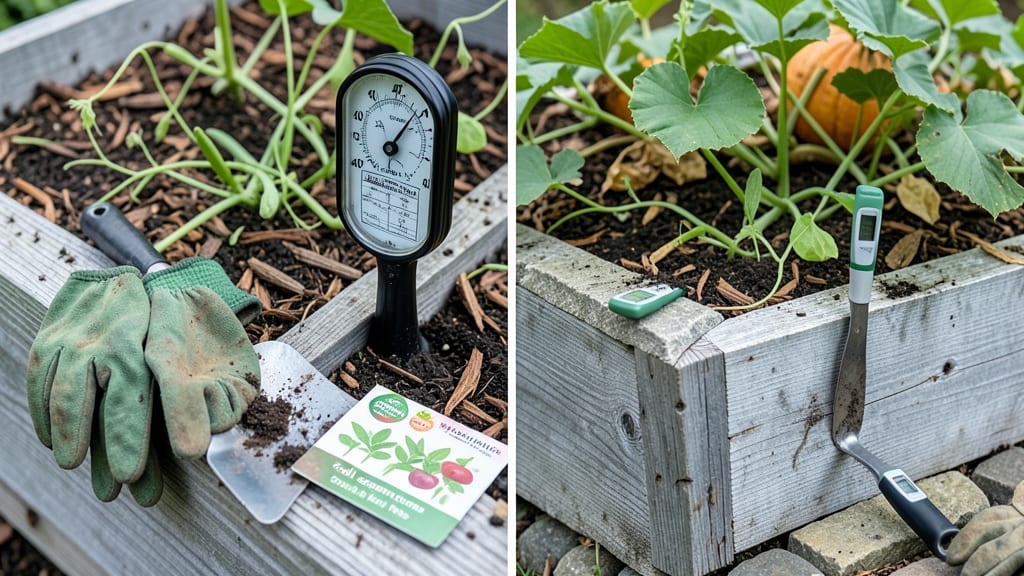
Pro tip: Test soil temperature with a soil thermometer—50°F is the magic number for most warm-season plants.
Don’t forget fall planting!
In Southern Maine, you can still direct-sow spinach and radishes until September 1, while Northern Maine gardeners should aim for August 15 to beat the first frost. Perennials like asparagus and rhubarb can be planted in early fall (September) for root establishment before winter.
🌿
Use these frost-date guidelines
10-Week countdown: how to time your planting for maximum yield in Maine
Maine’s short growing season demands precision timing to squeeze every possible harvest from your garden. By following a 10-week countdown, you’ll coordinate indoor seed starts, transplanting, and direct sowing with your region’s frost dates—even extending the season with protective covers.
Let’s map out your planting calendar week by week to maximize yields from potatoes to peppers.
Start this countdown by marking your last frost date (typically May 10-20 in most of Maine) and working backward. For warm-season crops like tomatoes and cucumbers, you’ll need to begin indoor seed starting 8-10 weeks before that date.
Meanwhile, cool-season crops like kale and peas can often go straight into the garden as soon as soil is workable—usually 2-4 weeks before the last frost.
- 🌱 Week 1-2: Start warm-season seeds (tomatoes, peppers) indoors under grow lights or in a sunny window.
- 🌱 Week 3-4: Direct sow cold-hardy crops (spinach, peas, lettuce) 2-4 weeks before last frost.
- 🌱 Week 5-6: Harden off seedlings and transplant cool-season crops (broccoli, cabbage) outdoors.
- 🌱 Week 7-8: Set out transplants (tomatoes, peppers) after last frost, using row covers for early protection.
- 🌱 Week 9-10: Direct sow warm-season crops (beans, cucumbers) and succession plant lettuce for fall harvest.
Extend your growing season with row covers or cold frames to protect tender plants. These tools can push your first frost date back by 2-4 weeks, giving you extra time to harvest tomatoes, peppers, and squash.
For example, a low tunnel can keep soil temperatures 5-8°F warmer, allowing you to plant spinach or kale in early September for a late fall harvest.
Don’t forget about fall planting! Start a second countdown in mid-summer for crops like radishes, carrots, and kale, which thrive in cooler weather. These can be sown 6-8 weeks before your first frost (typically October 10-20 in Maine) for a bounty before winter sets in.
Use mulch to insulate soil and protect young plants from early frosts.
Pro tip: Keep a planting journal to track what works best in your microclimate. Note which varieties thrive, when you planted, and how protective covers affected your harvests.
Over time, you’ll refine your 10-week countdown to fit your garden’s unique conditions—whether it’s a sunny urban plot or a shaded backyard.
With this timeline, you’ll turn Maine’s challenges into opportunities, growing a garden that’s productive, resilient, and tailored to your region’s quirks. Happy planting! 🌱