
Planting
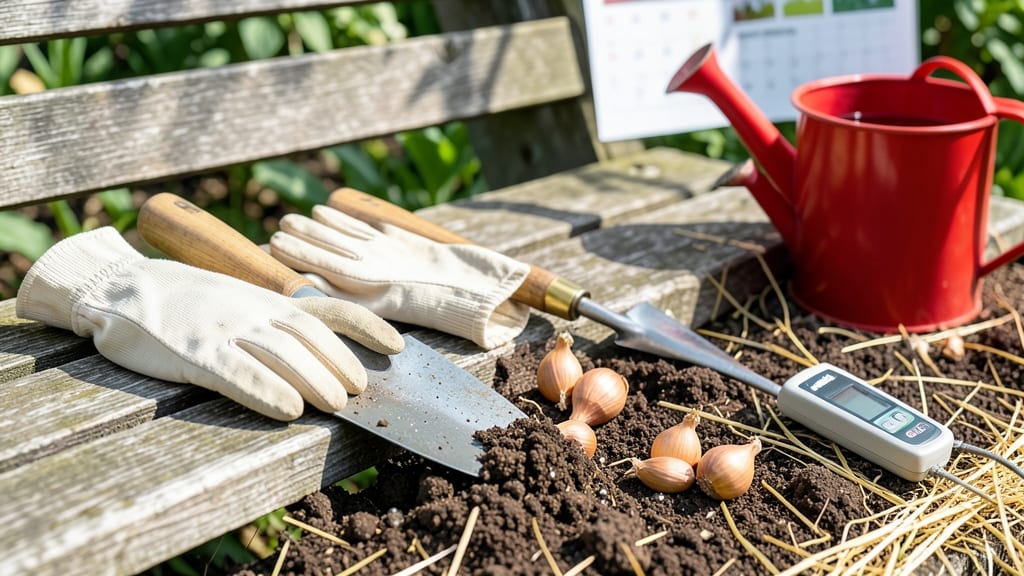
Planting bulbs in your garden at the right time ensures vibrant blooms and healthy growth 🌱—a missed window can leave you waiting another full year for those cheerful spring displays.
Timing is everything when it comes to bulbs, and the difference between a thriving garden and a bustling one often comes down to knowing when to plant bulbs in garden for your specific zone.
Too early, and they’ll rot in cold soil; too late, and they won’t establish roots before winter.
Most gardeners in Zone 6a (like me!) plant in fall, about 6-8 weeks before the first frost, but spring planting works too—just 4-6 weeks before the last frost.
The key is matching the bulb type to your climate and soil, so you’re not left with floppy stems or no flowers at all.
In this guide, I’ll break down the exact planting windows by zone, how to adjust for early or late blooms, and the top 5 mistakes that ruin bulbs before they even sprout. Let’s get those daffodils and tulips off to the perfect start!
Best planting times for garden bulbs by USDA Hardiness zones
Timing your bulb planting by USDA Hardiness Zone is the secret to vibrant spring blooms. Most bulbs like tulips, daffodils, and crocuses need 6-8 weeks before the first frost to establish roots. But in Zone 10, where winters are mild, fall planting isn’t ideal—spring planting works better.
Let’s break down the perfect schedule for Zones 3-10 to avoid common mistakes like rotting bulbs or missed blooms.
In northern zones (3-6), focus on fall planting (September-October) for classic bulbs. Southern zones (7-10) often shift to early spring planting (February-March) to escape summer heat. For example, tulips in Zone 4 thrive when planted in October, while Zone 9 daffodils do best in December-January.
Always check your last frost date—planting too early can rot bulbs, while planting too late may delay blooms.
🌱 Pro Tip: Use the "6-8 weeks before frost" rule as your guide. For Zone 5, that’s mid-September to early October. In Zone 8, aim for November-December. Adjust for microclimates—shady spots may need earlier planting to warm up faster.
| USDA Zone | Fall Planting Window | Spring Planting Window | Best Bulbs for Zone | Key Consideration |
|---|---|---|---|---|
| Zones 3-4 | September 15 - October 15 | March 1 - April 15 | Tulips, Daffodils, Hyacinths, Crocuses | Plant early—soil freezes quickly. |
| Zones 5-6 | October 1 - November 1 | April 1 - May 1 | Tulips, Alliums, Snowdrops, Fritillaries | Avoid soggy soil in winter. |
| Zones 7-8 | November 1 - December 15 | February 1 - March 15 | Daffodils, Crocuses, Grape Hyacinths | Spring planting often works better. |
| Zones 9-10 | December 15 - January 31 | January 1 - February 28 | Daffodils, Rain Lilies, Cyclamen | Fall planting risks rot—spring is safer. |
For Zone 3-4 gardeners, prioritize early fall planting (by October 15) to give bulbs time to root before freezing temperatures.
In Zone 5-6, extend your window to November 1—just avoid planting when soil temps drop below 40°F. Tulips and hyacinths are frost-tolerant, but daffodils often bloom earlier in cooler zones, so plant them slightly deeper (6-8 inches) for extra insulation.
Southern zones (7-10) require a shift to late fall or early spring planting.
In Zone 9-10, where winters are mild, fall planting can cause rot—opt for January-February instead. Daffodils are your best bet here; they thrive in warmer climates and even naturalize over time. Rain lilies also excel in these zones, blooming after summer rains.
Adjust for local microclimates. A south-facing slope warms faster, so plant bulbs 2-3 weeks later than the general zone guideline. Conversely, shady or low-lying areas may need earlier planting to compensate for slower soil warming.
Always amend soil with compost before planting—well-draining soil prevents bulb rot, a common issue in heavy clay or waterlogged areas.
After planting, mulch with 2-3 inches of straw or leaves to protect bulbs from freeze-thaw cycles. In Zone 3-6, remove mulch in early spring to allow shoots to emerge.
In Zone 7-10, mulch lightly to retain moisture during dry spells. Water deeply after planting, then reduce watering in winter—most bulbs need minimal moisture until spring growth begins.
Watch for pests like squirrels or voles, which dig up bulbs in Zones 5-8. Use chicken wire cages or repellent granules for protection. In Zone 9-10, slugs and snails may target emerging shoots—apply organic slug bait in early spring.
With the right timing and care, your bulbs will reward you with months of color, starting as early as <
How to adjust planting timing for early or late blooms
Want those tulips blooming by Valentine’s Day or dahlias lasting through summer’s end? Adjusting planting timing is your secret weapon. By understanding microclimates, forcing techniques, and seasonal exceptions, you can stretch bloom seasons naturally—without sacrificing plant health.
Let’s break down how to fine-tune your schedule for earlier springs or longer summers of color.
First, recognize that not all bulbs follow the same rules. Cold-hardy varieties like crocuses and snowdrops thrive when planted in late fall, while tender bulbs such as cannas or dahlias need to wait until spring’s last frost.
Even within the same zone, a south-facing slope warms up faster than a north-facing bed, creating opportunities to plant 2-4 weeks earlier in sunny spots.
Here’s how to adjust timing for your specific goals:
- For early blooms: Plant cold-hardy bulbs (like tulips or daffodils) in late summer (August-September) instead of fall. This gives roots time to establish before winter chill triggers blooming.
- Force indoors: Chill paperwhite narcissus or hyacinths in the fridge for 8-12 weeks, then move to a sunny window. They’ll bloom in 6-8 weeks—perfect for holiday tables!
- Extend summer blooms: Plant gladiolus or dahlias in early spring (as soon as soil is workable) and succession plant every 2 weeks for continuous color until frost.
- Warm-climate tweaks: In Zones 8-10, plant fall-blooming bulbs (like amaryllis) in late summer to avoid summer heat stress. Use shade cloth to protect newly planted bulbs.
- Avoid these mistakes: Planting tender bulbs too early in cold zones (they’ll rot) or cold-hardy bulbs too late (they won’t flower). Always check your last frost date and adjust by 2-3 weeks.
Microclimates play a huge role in timing adjustments. A rock garden warms up faster than a low-lying area, so plant early bloomers like crocuses in rocky spots first. Similarly, containers on patios heat up quicker than in-ground beds—ideal for forcing bulbs indoors or extending the season in cooler zones.
Don’t overlook soil temperature as a timing cue. Use a soil thermometer to confirm when roots can grow: aim for 40–50°F for most bulbs. If your soil stays cold, wait until spring’s last frost or use black plastic mulch to warm it faster.
This simple tool can help you plant 1–2 weeks earlier without risking bulb rot.
For late-season blooms, try succession planting with annual bulbs like caladiums or canna lilies. Plant the first batch in early spring and add new batches every 4–6 weeks to stagger blooms until frost. Pair this with deadheading spent flowers to encourage reblooming in varieties like repeating tulips.
Timing adjustments aren’t just about when you plant—it’s also about what you plant. Choose early-flowering varieties (like ‘Early Sensation’ tulips) for spring or heat-tolerant bulbs (such as daylilies) for summer.
Always check the bloom time on seed packets to align with your goals. With these strategies, you’ll enjoy vibrant blooms for months, not just weeks!