
Planting
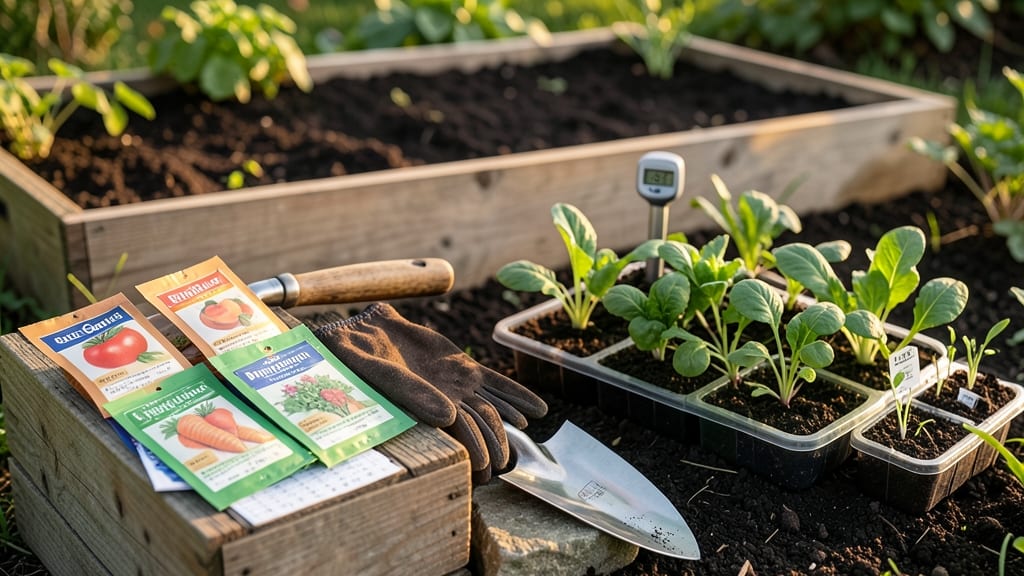
Planting a vegetable garden in Ontario at the right time means the difference between a bountiful harvest and a lost season—get the timing wrong, and frost will turn your hard work into a sad memory.
Timing your vegetable garden planting in Ontario can mean the difference between a thriving harvest and a failed crop—get it wrong, and frost will wipe out your hard work in days.
The key? Knowing your last frost date and matching it to the right crops, whether you're in Toronto or Sault Ste. Marie.
For Ontario’s 5a-6b zones, most gardeners start cool-season crops like peas and spinach in mid-April, while warm-season favorites like tomatoes and peppers wait until soil warms in mid-May to June. But with fall planting (July–August), you can squeeze in a second harvest before frost hits in October.
Below, I break down the exact planting windows by crop, how to extend your season with row covers, and the one mistake that ruins more gardens than frost ever could. Let’s get those seeds in the ground at the perfect moment!
Ontario frost dates by Zone: critical planting windows for vegetables
Understanding Ontario’s frost dates is the key to successful vegetable gardening. The province spans USDA Zones 3a to 6b, meaning frost timings vary dramatically from southern Ontario (like Windsor) to northern Ontario (like Sault Ste.
Marie). Getting these dates wrong can mean the difference between a bountiful harvest and frost-killed seedlings.
Cool-season crops like spinach and peas thrive in early spring, while tomatoes and peppers need warm soil and air. Each zone has its own last frost date, which determines when to plant outdoors.
For example, Toronto (Zone 6a) has a last frost around May 15, while Thunder Bay (Zone 4a) waits until June 1.
Here’s how Ontario’s zones break down for planting:
For cool-season crops, like kale and carrots, plant as soon as the soil is workable—often 4-6 weeks before the last frost. These hardy plants can handle light frosts and may even taste sweeter after a light freeze. Start seeds indoors in March for a head start.
Warm-season crops, such as tomatoes and cucumbers, need to wait until the soil temperature reaches at least 10°C (50°F). In southern Ontario (Zone 6b), this is usually by mid-May, while northern areas (Zone 4a) may need to wait until early June.
Use a soil thermometer to check—cold soil can stunt growth.
Regional variations matter. For example, Toronto’s last frost often occurs around May 15, but a sudden cold snap can push it to June 1. In contrast, Sault Ste.
Marie may not see its last frost until June 15. Always check local weather forecasts and historical data to adjust your planting schedule accordingly.
Pro tip: Use row covers or cold frames to extend your planting season. These tools can protect tender plants from late frosts, allowing you to plant warm-season crops like peppers a week or two earlier. Just remove the covers once the plants are established to avoid overheating.
Don’t forget about fall planting! Many vegetables, like spinach and radishes, can be sown in late summer for a harvest before the first frost. In Zone 6b, you might plant these in early August
Best vegetables to plant by month in Ontario: a month-by-month guide
Ontario’s short but productive growing season means precise timing is everything. Plant too early, and frost will kill tender seedlings. Plant too late, and you’ll miss the harvest window. The key is knowing which vegetables thrive in each month and when to start seeds indoors or outdoors.
For most of Ontario, last frost dates range from late April in the south to early June in the north, so adjust accordingly.
Cool-season crops like spinach, peas, and lettuce can handle chilly soil, while warm-season favorites like tomatoes, peppers, and basil need warmer temperatures to thrive. Below is your month-by-month planting guide, complete with must-plant varieties and essential tasks to maximize your harvest.
Whether you’re a beginner or a seasoned gardener, this schedule will help you avoid common mistakes and make the most of Ontario’s growing season.
| Month | Vegetables to Plant | Key Tasks | Notes |
|---|---|---|---|
| March | Peas, Spinach, Lettuce, Radishes, Onions | Start seeds indoors, prepare soil | Cold-hardy crops only; protect from late frosts |
| April | Carrots, Beets, Kale, Broccoli, Potatoes | Direct sow outdoors, harden off seedlings | Wait until soil is workable (10°C/50°F) |
| May | Tomatoes, Peppers, Cucumbers, Zucchini, Basil | Transplant seedlings, mulch beds | After last frost; use row covers for early starts |
| June | Beans, Corn, Squash, Melons, Herbs | Direct sow seeds, fertilize | Warm soil required; water consistently |
| July | Green Onions, Radishes, Lettuce, Spinach | Succession plant, harvest early crops | Prepare for fall planting; extend season with covers |
| August | Kale, Broccoli, Brussels Sprouts, Carrots | Direct sow fall crops, mulch heavily | Choose quick-maturing varieties for late harvests |
| September | Garlic, Onions, Spinach, Lettuce | Plant bulbs, harvest remaining crops | Protect from early frosts with row covers |
In March and early April, focus on cool-season vegetables like peas and spinach. These crops can tolerate light frosts and even thrive in cooler temperatures. Start seeds indoors for tomatoes and peppers in late March if you’re eager to get a head start.
By April, the soil should be warm enough to direct-sow carrots, beets, and broccoli. Always check soil temperature—it should be at least 10°C (50°F) for most cool-season crops.
May is your critical window for warm-season crops. After the last frost (typically mid-to-late May in southern Ontario), transplant tomato, pepper, and cucumber seedlings outdoors. Use row covers or cloches to protect young plants if nighttime temperatures dip below 10°C (50°F).
Mulch heavily to retain soil moisture and regulate temperature. This month is also ideal for direct-sowing beans and corn, which love warm soil.
June is all about establishing summer crops. Succession plant zucchini, squash, and melons every 2-3 weeks to ensure a continuous harvest. Keep soil consistently moist—drought stress can reduce yields. If you’re growing herbs like basil and cilantro, pinch back flowers to encourage leaf growth.
By late June, start thinking about fall planting by sowing quick-maturing varieties like radishes and lettuce for an early autumn harvest.
Don’t let July and August go to waste—these months are perfect for succession planting and extending your harvest. In July, sow green onions, radishes, and bush beans for a late-summer crop. August is your last chance to plant cool-season crops like kale and broccoli for a fall harvest.
Use black plastic mulch to warm the soil and get a jump start on early September plantings. Always choose fast-maturing varieties to avoid frost damage.
As summer