
Planting
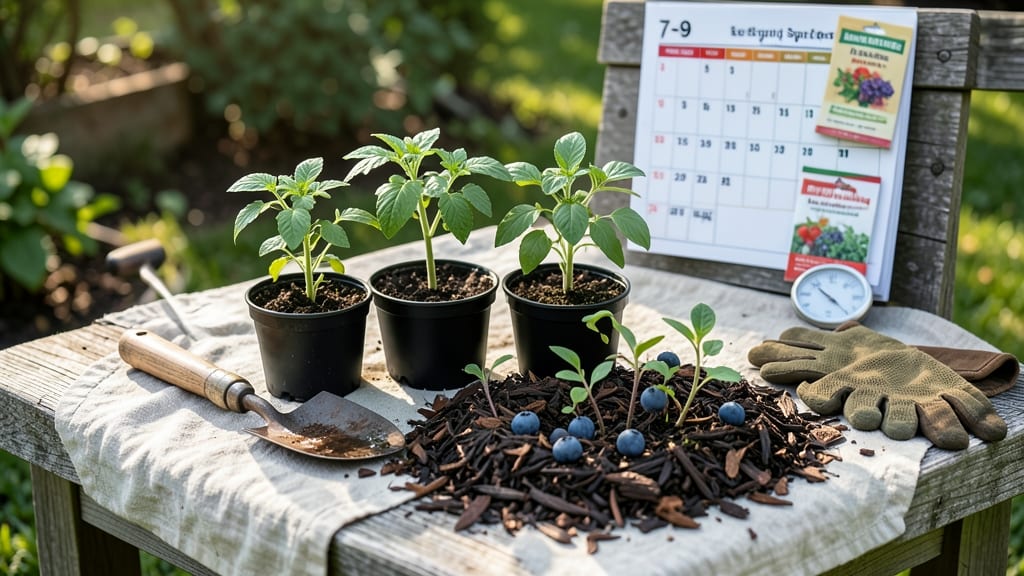
Planting a garden in Washington State at the wrong time can turn your green thumb into a wasted effort—especially when coastal mildness clashes with inland freezes.
Washington State’s diverse climate—from coastal mildness to inland cold snaps—means planting your garden at the wrong time can spell disaster for your crops. Timing is everything, and missing the ideal window could leave you with stunted plants or wasted seeds.
Whether you’re in the Puget Sound or the Columbia Basin, knowing when to sow your 🌱 General Garden depends on frost dates, USDA zones, and microclimates. Get it right, and you’ll enjoy a bountiful harvest; get it wrong, and you might end up pulling weeds instead of veggies.
Below, I break down the best planting windows for spring, summer, and fall crops—plus how to adjust for Washington’s unpredictable weather. You’ll learn exactly when to start seeds, transplant seedlings, and even extend your growing season.
Washington State frost dates by USDA Zone: your planting calendar
Washington State spans USDA Zones 5b through 8a, creating wildly different frost patterns from the mild Puget Sound to the harsh Columbia Basin.
These variations mean your last spring frost could arrive weeks earlier in Zone 8 than in Zone 5, while first fall frosts hit sooner inland than near the coast. Getting these dates right ensures your cool-season crops thrive and your warm-season plants avoid frost damage.
For gardeners in Western WA (Zones 7-8), expect last frosts between March 15 and April 15, while Eastern WA (Zones 5-6) often sees frosts lingering until May 1. Similarly, fall frosts arrive earlier inland—October 1 in Eastern WA vs. October 15-30 near the coast.
These differences shape your entire planting strategy, from early spring peas to late-summer tomatoes.
Here’s your region-specific frost-date guide, including actionable planting windows for both cool-season and warm-season crops, plus microclimate adjustments to protect your garden from unexpected cold snaps.
In Zone 5b (Eastern WA), where frosts can linger until May 1, focus on cold-hardy crops like kale, peas, and potatoes planted by March 15.
Wait until May 15 to sow tomatoes and peppers, as earlier plantings risk frost damage. Use black plastic mulch to warm soil faster in these colder zones.
For Zone 7-8 gardeners (Puget Sound), you’ve got a longer growing season—start spinach and lettuce as early as February 15
Best planting times for Washington’s top vegetables & herbs
Washington’s varied climate—from the cool coastal regions of Puget Sound to the hotter inland valleys—means your planting schedule should match your microclimate. Tomatoes and peppers thrive in summer heat, while kale and peas love early spring’s chill.
Get the timing wrong, and you’ll end up with bolting lettuce or frozen strawberries. Let’s break down the best months to plant Washington’s most popular crops for a bountiful harvest.
For Western Washington (Zones 7-9), where winters are mild and summers are warm but not extreme, focus on early spring and late summer plantings.
In Eastern Washington (Zones 5-7), where frosts linger later in spring and arrive earlier in fall, prioritize cold-hardy crops and extend your season with row covers. Succession planting is key—replace harvested lettuce with new seeds every 2-3 weeks to keep your garden productive all season.
- 1 Early Spring (March-April): Plant cold-hardy crops like peas, spinach, and kale. Strawberries and potatoes also thrive in cool soil.
- 2 Late Spring (May): Start warm-season crops like tomatoes, cucumbers, and basil after the last frost. Use row covers in Zone 5-6 for extra protection.
- 3 Summer (June-July): Plant heat-loving herbs like oregano and thyme. Succession plant lettuce every 3 weeks to avoid bolting in the heat.
- 4 Early Fall (August-September): Sow cool-season crops like broccoli, carrots, and radishes. Strawberries planted in fall establish roots before winter.
In Western Washington, where the ocean moderates temperatures, you can plant lettuce and spinach as early as February under row covers. Meanwhile, Eastern Washington gardeners should wait until mid-April to plant these greens, as late frosts are common.
For tomatoes, aim to transplant seedlings after Memorial Day in most regions, but in the Columbia Basin, wait until early June to avoid heat stress.
Herbs like basil and cilantro are finicky—plant basil after the soil warms to 70°F in late spring, while cilantro bolts in summer heat. For a continuous harvest, interplant fast-growing radishes with slower carrots or onions. This intercropping strategy maximizes space and extends your harvest season.
Don’t forget about succession planting for a year-round harvest. For example, plant bush beans every 2 weeks from June through July, or sow spinach every 3 weeks from August until October.
This ensures you always have fresh produce, even as seasons shift. In Zone 7-8 areas, you can even grow winter greens like kale and arugula straight through the mild winters.
Pro tip: Use frost dates as your guide—wait until the average last frost date has passed before planting warm-season crops, and start cool-season crops 4-6 weeks before the first expected frost.
For Western WA, that’s typically mid-March for spring planting and mid-October for fall crops, while Eastern WA gardeners should adjust by 2-3 weeks later.