
Planting
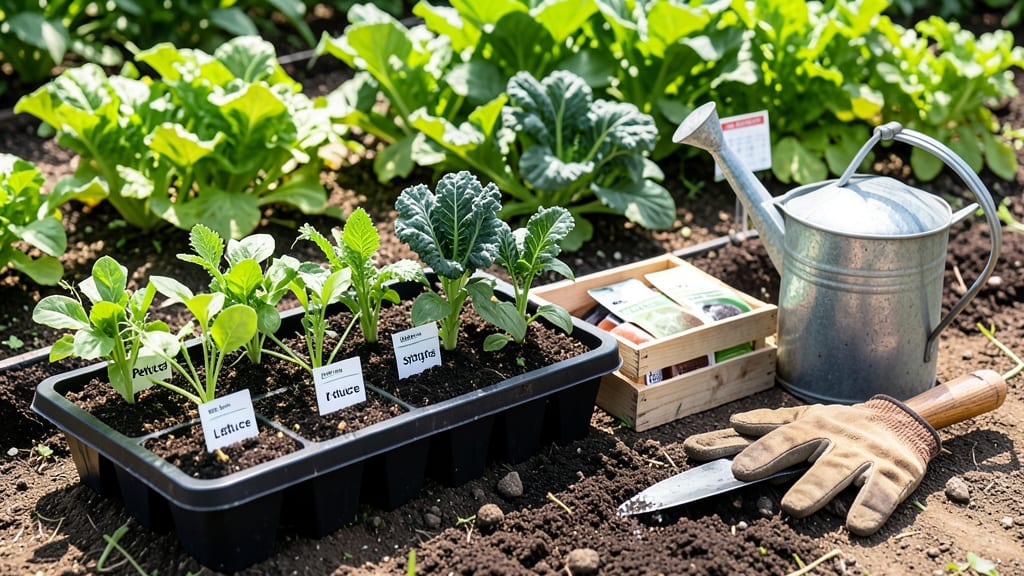
Planting a garden in Utah means timing it just right—between mid-April and mid-June for spring and August to mid-September for fall—because the state’s dramatic elevation shifts can turn a perfect planting day in one valley into a frost trap in the mountains.
Picture this: your neighbor in Salt Lake City harvests zucchini by July, while your high-desert plot still waits for soil to warm. That’s Utah’s microclimate magic—and getting it wrong means wasted seeds or stunted crops.
But with the right frost-date strategy, even first-time gardeners can turn their yard into a productive plot year after year.
Here’s the key: Utah’s USDA Zones 5-9 (yes, all in one state!) mean frost dates vary by hundreds of feet. Valleys like St. George can start planting by February**, while mountain gardens near Park City might not be safe until June.
We’ll break down the exact windows for cool-season crops like lettuce and warm-season favorites like tomatoes, plus how to adjust for soil temperature and drought.
Ready to grow? You’ll learn how to read Utah’s frost charts, pick the best planting window for your elevation, and avoid the three mistakes that kill gardens before they even sprout. Let’s get those seeds in the ground at the perfect moment.
Utah’s frost-date zones by elevation: when to plant cool vs. warm season crops
Utah’s dramatic elevation shifts—from the 3,000-foot Salt Lake Valley to 10,000-foot mountain meadows—create frost-date zones that can vary by 6+ weeks. At lower elevations, gardeners often plant tomatoes by late April, while high-altitude growers may not start until mid-June.
Understanding these zones ensures your cool-season crops like lettuce thrive and warm-season favorites like peppers mature before frost.
For example, the last spring frost in Provo (4,200 ft) typically occurs around April 15, while in Park City (6,800 ft), it lingers until May 20.
Similarly, the first fall frost hits St. George (2,800 ft) by October 15, but Ogden (4,300 ft) sees frost as early as October 1. These differences mean your planting windows must adapt—or risk losing your harvest to unexpected cold snaps.
Let’s break down how these zones impact your cool-season crops. In St. George (2,800 ft), you can sow lettuce and peas as early as mid-February under row covers, while in Ogden Valley (7,000 ft), wait until mid-May to avoid frost damage.
For potatoes, plant 2–4 weeks before your last frost—so March 1 in St. George but May 15 in Park City.
Warm-season crops like tomatoes and peppers need consistent warmth, so timing is critical. In Salt Lake City (4,300 ft), transplant tomato seedlings by April 15 for a July harvest, but in Alta (10,000 ft), delay until June 15 to avoid late frosts
5 Critical factors that shift Utah planting dates beyond frost data
Utah’s frost charts only tell part of the story. While last-frost dates guide most gardeners, soil warmth, microclimates, and local conditions can shift your planting window by weeks.
In Salt Lake City, you might plant peas in early March, but in Park City, you’ll wait until late May—both technically "safe" by frost data. Understanding these hidden factors helps you avoid stunted crops or bolted greens.
For example, urban heat islands in Provo can make soil ready for tomatoes 2 weeks earlier than rural areas, while high-elevation wind in Moab delays planting until after May 15. Even soil temperature—not air temperature—determines when to sow seeds.
A 50°F soil triggers germination, but Utah’s dry, rocky soil heats up slower than moist garden beds. Ignoring these factors means risking seedlings that rot in cold soil or wilt in premature heat.
- 1
- 2
- 3
- 4
- 5
Pro tip: Test your soil with a moisture meter—Utah’s sandy loam drains fast, so even if frost charts say "go," your seeds may dry out.
For high-desert areas like Moab, wait until June 1 for warm-season crops like cucumbers or beans to avoid 30°F nighttime dips that stunt growth.
Even elevation changes within a single county can shift dates. For example, Spanish Fork (4,500ft) might plant lettuce in early April, while Lehi’s foothills (5,500ft) wait until mid-April. Use local nursery advice—they’ve seen firsthand how microclimates like urban canyons or mountain slopes alter growing conditions.
Remember: Frost data is a baseline, but your yard’s reality dictates the final call. Start with frost dates, then adjust for soil warmth, wind, and local heat pockets. Your tomatoes will thank you with earlier harvests and healthier plants—no guesswork needed. 🌱