
Planting
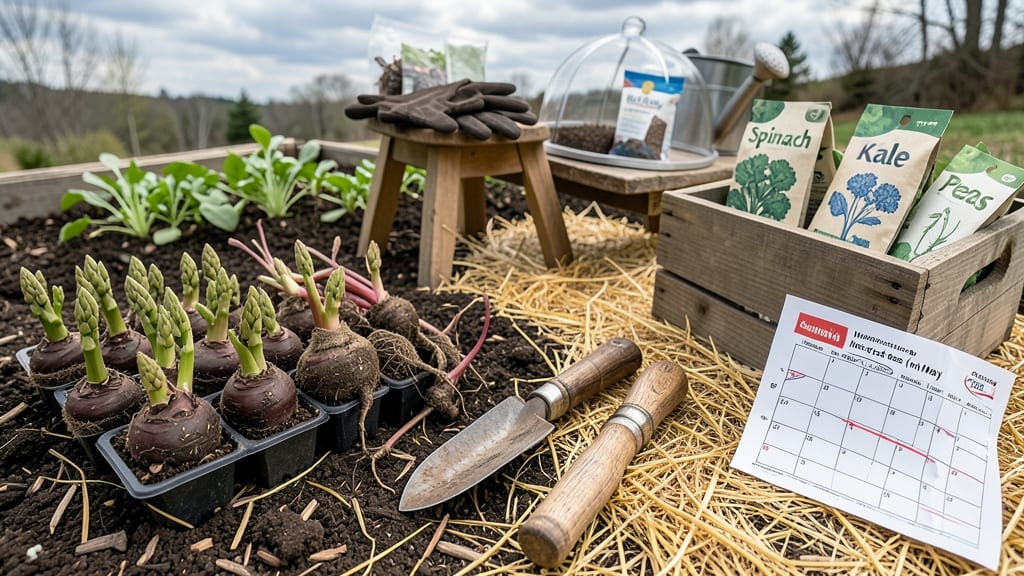
To plant a garden in Minnesota, time your sowing for after the last frost—typically mid-May in the south and early June in the north—but don’t wait too long, or your short growing season will vanish before the harvest.
Minnesota’s unpredictable frost dates can turn even the most eager gardener into a second-guesser—but timing your plantings right means the difference between a thriving harvest and a sad, wilted disappointment.
Cool-season crops like peas and spinach can go in as early as April, while tomatoes and peppers need to wait until the soil warms, often late May or June. The key? Know your USDA zone and use local frost data to avoid costly mistakes.
In this guide, I’ll break down the exact windows for every plant type, plus pro tips to stretch your season—so you can enjoy fresh veggies from your 🌱 Minnesota garden all summer long.
Minnesota frost dates by USDA Zone: when to plant cool vs warm-season crops
Minnesota’s USDA Zones 3-5 create a challenging but rewarding gardening puzzle. The last spring frost can arrive as early as April in Zone 5 but linger until mid-May in Zone 3.
Meanwhile, the first fall frost typically hits mid-September in the north and stretches to October in the south. These dates dictate whether your cool-season crops like spinach and peas have time to thrive or if your warm-season favorites like tomatoes and peppers get a full growing season.
Understanding these frost date averages helps you plan, but Mother Nature often throws curveballs. That’s why I’ve broken down the optimal planting windows for each zone, including how to use historical frost data from the MN State Climatology Office to make smarter decisions.
Whether you’re in Duluth (Zone 3) or Rochester (Zone 5), knowing these timelines means the difference between a bountiful harvest and a wilted disappointment.
Pro Tip: Bookmark the MN DNR’s frost date maps and check them yearly—they update based on decadal climate shifts. For example, Zone 4 areas like St. Cloud now see last frosts 5-7 days earlier than they did 30 years ago. Adjust your schedule accordingly!
| Minnesota USDA Zones | Zone 3 (Duluth, Brainerd) | Zone 4 (Minneapolis, St. Cloud) | Zone 5 (Rochester, Mankato) | ||||
|---|---|---|---|---|---|---|---|
| Plant Type | Notes | Last Frost | Plant After | Last Frost | Plant After | Last Frost | Plant After |
| Cool-Season Crops | Peas | Hardy to 20°F | Mid-April | Late April | Early May | ||
| Spinach | Tolerates light frost | Early May | Mid-May | Late April | |||
| Lettuce | Bolts in heat | Early May | Mid-May | Late April | |||
| Kale | Sweeter after frost | Early May | Mid-May | Late April | |||
| Warm-Season Crops | Tomatoes | Needs 55°F soil | June 1 | May 15 | May 1 | ||
| Peppers | Slow to germinate | June 1 | May 15 | April 25 | |||
| Cucumbers | Heat-loving | June 1 | May 15 | May 1 | |||
| Beans | Direct sow after frost | June 1 | May 15 | April 25 | |||
| Fall Planting Window (First Frost) | |||||||
| Cool-Season Crops | Broccoli | Plant 60 days before frost | Aug 15 | Sep 1 | Sep 15 | ||
| Carrots | Sweetened by frost | Aug 1 | Aug 15 | Sep 1 | |||
Source: MN State Climatology Office 30-year averages (1991-2020)
Now that you’ve got the baseline frost dates for your zone, let’s talk cool-season crops. These are your early spring and fall workhorses—plants like spinach, peas, and kale that not only tolerate but thrive in cooler temperatures. In <
How to adjust planting times for Minnesota’s unpredictable weather patterns
Minnesota’s unpredictable frost dates can leave gardeners scrambling, but with the right adjustments, you can extend your growing season and protect tender plants. I’ve learned that flexible planting strategies—like using frost blankets and succession planting—make all the difference in my Zone 4 garden.
One of my biggest mistakes was planting tomatoes too early in May, only to lose them to a late frost. Now, I rely on local weather alerts from the MN DNR and historical frost data to fine-tune my schedule. Even a 1-2 week delay can save your entire crop!
⚠️ WARNING: Common Mistakes That Wipe Out Your Garden ⚠️
Ignoring microclimates: A south-facing wall or raised bed can add 1-2 weeks of warmth. Use them to start heat-lovers earlier!
Skipping soil warming: Black plastic mulch or clear plastic tunnels can raise soil temps by 10°F+, letting you plant 2 weeks sooner for crops like cucumbers.
To beat MN’s late frosts, I start with cold-hardy crops like peas and spinach in early April, then layer in warm-season plants after the last expected frost (usually May 15 in southern MN and June 1 in the north).
For frost-sensitive plants, I use frost blankets or row covers to buy extra time.
Succession planting is my secret weapon—planting lettuce every 2 weeks ensures a continuous harvest, even if early plantings get nipped. I also stagger tomato and pepper plantings by 10-14 days to spread risk. This way, if one batch fails, others thrive.
For fall gardens, I focus on cool-season crops like kale and radishes, planting them 6-8 weeks before the first frost (typically mid-September in southern MN). A cold frame can extend this by 3-4 weeks, letting me harvest into November!
Pro tip: Bookmark the MN State Climatology Office frost maps and set up text alerts for your county. When they predict a 32°F night, cover tender plants immediately—it’s saved my eggplant and basil more times than I can count. 🌱