
Planting
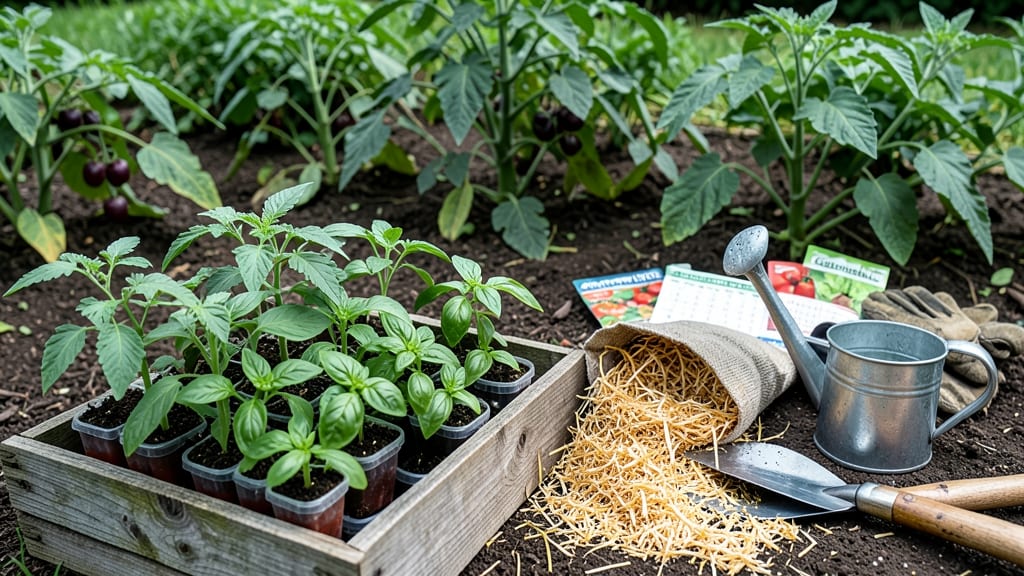
Planting a garden in Kentucky at the right time means the difference between a bountiful harvest and a wasted season.
Kentucky’s diverse climate—from humid Appalachian valleys to the Bluegrass rolling hills—means your garden’s success hinges on planting at the perfect time. Miss the frost-free window, and your tomatoes could bolt; plant too early, and a late freeze will wipe out your seedlings.
With USDA zones 6a–7a, Kentucky’s last frost typically arrives around April 15, but microclimates can shift that by weeks. Urban heat islands in Louisville may warm up faster, while higher elevations in the Appalachians lag behind.
Here’s your zone-by-zone guide to timing plantings for a thriving 🌱 General Garden, including when to start seeds indoors, transplant tender crops, and protect fall plantings from early frosts.
Kentucky’s frost-free dates by USDA plant hardiness zone: your planting timeline
Kentucky spans USDA zones 3a through 7a, creating a 140- to 200-day growing season depending on elevation and location. Knowing your last spring frost and first fall frost dates is critical—these mark the boundaries for planting warm-season crops like tomatoes and cool-season crops like kale.
For example, zone 3a (eastern Kentucky mountains) has a shorter season than zone 7a (western Bluegrass region), so timing matters!
Use this zone-by-zone guide to align your planting schedule with Kentucky’s average frost-free windows. Remember, these dates are guidelines—always check your local National Weather Service updates for real-time adjustments. For instance, 2023’s late April freeze caught many gardeners off guard, so flexibility is key.
🌱