
Planting
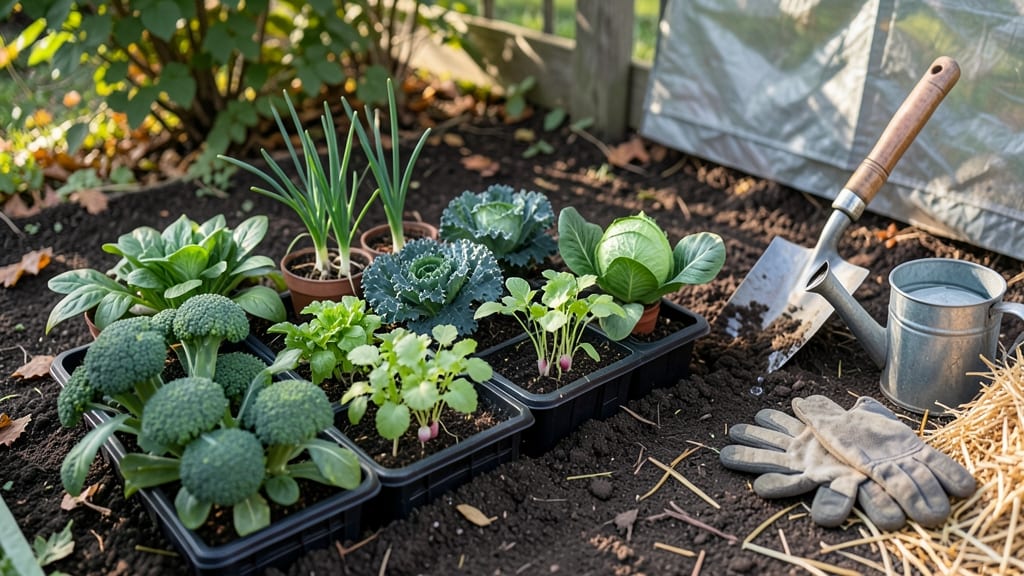
Planting a fall garden in South Texas requires knowing the exact timing to beat the heat and avoid early frost—because one wrong move means lost harvests in a climate that never plays by the rules.
If you’ve ever watched your seedlings wilt under September’s lingering heat or seen frost creep in by November, you know how quickly a season can go sideways.
South Texas’s unique Zone 8a-9b climate demands a precise schedule: too early, and you’re fighting the dog days; too late, and frost ruins your greens before Thanksgiving.
Here’s the game-changer: a planting timeline tailored to South Texas’s frost-free windows, heat-tolerant crops, and the tricks to stretch your harvest past the first cold snap. We’re talking 60-day turnarounds on spinach, sweet potatoes thriving in September soil, and the exact dates to sow each crop—no guesswork, just results.
Ready to turn your backyard into a fall harvest goldmine? Let’s break down the month-by-month strategy, from soil prep to frost-proofing, so you can eat fresh greens through December—and maybe even January.
South Texas fall planting timeline by last frost date (Zone 8a-9b)
South Texas gardeners know the fall planting window is short but sweet—just 6-8 weeks between scorching summer heat and first frost risks. In Zone 8a-9b, your average last frost date falls between November 15-30, but heat-tolerant crops need earlier starts.
Miss these deadlines, and you’ll lose your harvest to early cold snaps or bolting vegetables.
Your planting timeline hinges on two factors: heat tolerance and days to maturity. Cool-season crops like kale and broccoli need 60-90 days to harvest before frost, while heat-lovers such as sweet potatoes and black-eyed peas thrive when planted in late summer.
Urban areas with heat islands may need adjustments—plant 2-3 weeks earlier for cooler microclimates.
Here’s your month-by-month planting schedule, broken down by crop type and frost-free windows:
For urban heat islands, adjust your planting dates 2-3 weeks earlier—concrete and pavement can keep soil 10°F warmer than rural areas. Test soil temps with a soil thermometer; aim for 70-80°F before planting cool-season crops.
If temps stay above 90°F, use shade cloth to prevent bolting in lettuce and spinach.
Your last planting opportunity for most cool-season crops is October 15, but fast-maturing varieties like radishes (25 days) can squeeze in until November 1. If you’re in Zone 9b, where frosts are rare, you can push broccoli and cabbage until November 15—just watch for unpredictable cold
How to extend your South Texas fall garden season with smart techniques
South Texas’s mild winters and unpredictable weather make extending your fall garden season a game-changer. With the right cold-hardy varieties and protective strategies, you can harvest well into December—or even January. The key is balancing heat tolerance with frost resistance, while accounting for our region’s sudden temperature swings.
Start by selecting slow-bolting greens like Malabar spinach or collard greens, which handle cooler temps better than traditional lettuce. Pair them with row covers or low tunnels to shield tender crops from unpredictable frost events that can hit as early as November.
Even a lightweight frost cloth can add 4-6°F of protection.
- 🌱 Plant cold-hardy varieties like kale, broccoli, and carrots 8-10 weeks before first frost (typically mid-September for South Texas).
- 🌡️ Use black plastic mulch in late summer to warm soil for early plantings of heat-loving crops like sweet potatoes.
- ✂️ Succession plant every 2-3 weeks in September-October to stagger harvests and avoid bolting.
- 🌿 Install row covers by mid-October to protect greens from light frosts (28-32°F).
- 💧 Reduce watering in late fall to harden off plants before winter dormancy.
For soil warming hacks, try laying down black landscape fabric in late summer to raise soil temps by 5-10°F. This lets you plant heat-loving crops like okra or black-eyed peas earlier.
Just remove it before cool-season crops go in. Pair this with raised beds, which warm up faster and drain better than in-ground soil.
Don’t forget succession planting—it’s your secret weapon against South Texas’s unpredictable weather. Instead of one big planting, sow fast-maturing crops like radishes or turnips every 2 weeks from September through October.
This ensures a steady harvest even if a cold snap hits. For slower growers like broccoli, use transplants instead of seeds for a head start.
When frost threatens, act fast. Harvest leafy greens before temps drop below 25°F, as they’ll refreeze and turn mushy. For root crops like carrots or beets, mulch heavily with straw to insulate soil.
And if a hard freeze is forecasted (28°F or lower), cover entire beds with burlap or cardboard for extra insulation.
With these season-extending tricks, you’ll enjoy fresh homegrown greens well past Thanksgiving—no greenhouse required. Just watch those weather forecasts and stay flexible. Happy gardening! 🌿