
Picking
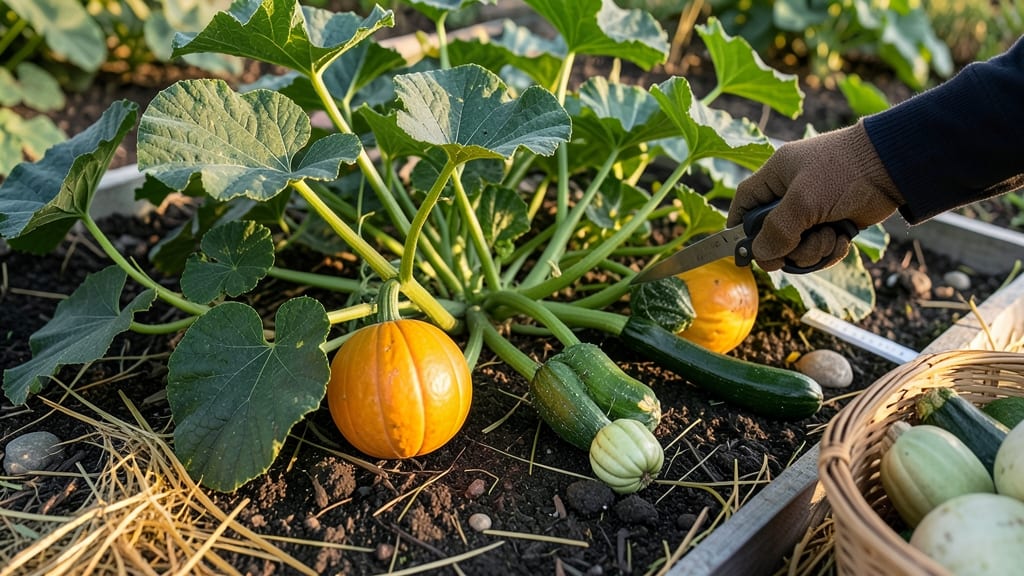
Picking squash from your garden at the right time ensures you get the perfect balance of flavor, texture, and storage potential—so don’t wait until it’s too late!
Picture this: you’ve nurtured your 🎃 plants all season, and now the moment of truth arrives. One wrong move, and you’re left with squash that’s either too soft or rock-hard.
The key? Watching for those telltale signs—like skin that’s tough enough to resist a fingernail or a stem that’s dried out.
But here’s the catch: summer squash (like zucchini) and winter squash (like butternut) have very different ripeness cues. Timing also shifts based on your climate—too early, and you miss peak sweetness; too late, and you’re stuck with a mealy mess.
In this guide, I’ll walk you through exactly when to harvest by color, size, and even the time of day for maximum freshness. No guesswork—just foolproof tips to turn your garden into a squash success story.
How to determine squash ripeness by color and size (step-by-step guide)
Harvesting squash at the perfect moment ensures maximum flavor and texture, whether you're planning to eat it fresh or store it for winter. The key lies in color changes and size thresholds that vary by variety.
Summer squash like zucchini and yellow crookneck ripen quickly, while winter squash such as butternut and acorn need more time to develop their signature sweetness and hardness.
For summer squash, timing is everything—wait too long, and they become seedy and tough. Winter squash, on the other hand, can overripe if left on the vine past their prime, losing flavor and becoming prone to rot.
Understanding these differences will help you harvest at peak ripeness every time, ensuring your garden yields the best possible produce.
Below, I’ve broken down the color cues and size guidelines for the most popular squash varieties, so you can confidently pick them at the ideal moment. Whether you're growing yellow squash, green acorn, or butternut, these steps will guide you to a perfect harvest.
| Squash Type | Color Cues | Size Threshold | Harvest Timeframe | Best For |
|---|---|---|---|---|
| Yellow Squash (e.g., Yellow Crookneck) | Deep golden-yellow skin, no green remaining | 6-8 inches long | 50-60 days after planting | Immediate use (grilling, sautéing) |
| Zucchini | Dark green, glossy skin | 6-8 inches long, 2-3 inches wide | 45-55 days after planting | Fresh eating, storage (1-2 weeks) |
| Acorn Squash | Solid green or tan, no soft spots | 4-6 inches in diameter | 85-100 days after planting | Storage (2-3 months), roasting |
| Butternut Squash | Deep orange, hard rind | 8-10 inches long, 4-6 inches wide | 90-110 days after planting | Long-term storage (4+ months) |
| Spaghetti Squash | Pale yellow, firm skin | 12-18 inches long, 6-8 inches wide | 90-100 days after planting | Storage (3-4 months), baking |
When checking for ripeness, always press the skin gently with your fingernail. If it resists and doesn’t dent easily, the squash is ready. For summer varieties like zucchini, a firm texture and vibrant color mean it’s time to harvest before seeds become large and bitter.
Winter squash, like butternut, should have a hard rind that’s difficult to pierce—this indicates full maturity and sweetness.
One common mistake is harvesting winter squash too early. If you pick it before the skin fully hardens, the flesh will be watery and bland. For storage varieties, wait until the stem dries and hardens—this usually happens a few weeks after the color fully develops.
A dried stem means the squash has reached its peak sugar content and will store beautifully.
For immediate use, such as grilling or sautéing, summer squash should be harvested when they’re smaller and tender. Larger squash, like butternut or acorn, are better suited for long-term storage. Once harvested, store them in a cool, dry place with good air circulation to prevent rot.
Winter squash can last for months this way, while summer squash should be used within a week.
Pay attention to the stem attachment as well. If the stem begins to shrink and dry out, it’s a clear sign that the squash is overripe. Overripe squash can develop a woody texture and lose flavor, so it’s best to harvest just before this happens.
Regularly inspect your squash plants every 2-3 days during peak growing season to catch the perfect moment.
If you're unsure whether your squash is ready, cut one open to check the seed development. For summer squash, seeds should be small and tender. In winter squash, seeds can be larger but should still be firm and not shriveled. This internal check
Common mistakes that ruin squash harvest timing (and how to avoid them)
Even experienced gardeners sometimes miss the perfect squash harvest window, leading to tough, seedy, or rotting produce. The key lies in recognizing subtle cues—like skin texture and stem changes—that signal ripeness.
Many gardeners also overlook how heat and humidity can speed up ripening, causing squash to mature faster than expected.
One of the biggest mistakes is harvesting based on size alone. A squash might look big enough but still be underripe inside. Similarly, waiting until the stem dries completely can mean the fruit has already overripe and become woody.
These errors often happen because gardeners don’t account for variety-specific ripening times or environmental conditions.
Another common pitfall is ignoring the color changes that indicate ripeness. For example, yellow squash should turn a deep golden hue, while butternut squash develops a rich tan color. Skipping these visual checks can lead to harvesting too early or too late, both of which ruin flavor and texture.
🌱
⚠️ Warning: Overripe Squash Ruins Flavor Forever
Signs of overripe squash: Skin turns dull, stem shrivels completely, and fruit feels heavy for its size. Once overripe, squash develops a bitter taste and hard seeds, making it inedible. Harvest 2-3 days before these signs appear for peak flavor.
Environmental factors like high humidity or intense heat waves can accelerate ripening, throwing off your harvest schedule. In these conditions, squash may mature 10-15 days faster than expected. To adjust, monitor plants daily during extreme weather and harvest slightly earlier than usual.
For summer squash varieties like zucchini, harvest every 3-5 days to prevent overgrowth. Winter squash, such as acorn or butternut, can wait longer but still benefit from regular checks.
Use a fingernail test: if the skin resists gentle pressure, it’s ready. If it dents easily, wait another day or two.
Finally, avoid harvesting in direct sunlight or after rain, as these conditions cause squash to soften quickly. Always pick in the early morning when temperatures are cool, and let squash cure in a dry, shaded spot for 5-10 days before storing to develop optimal flavor and shelf life.
By paying attention to these visual and environmental cues, you’ll never miss the perfect harvest window again. Happy gardening! 🎃