
Picking
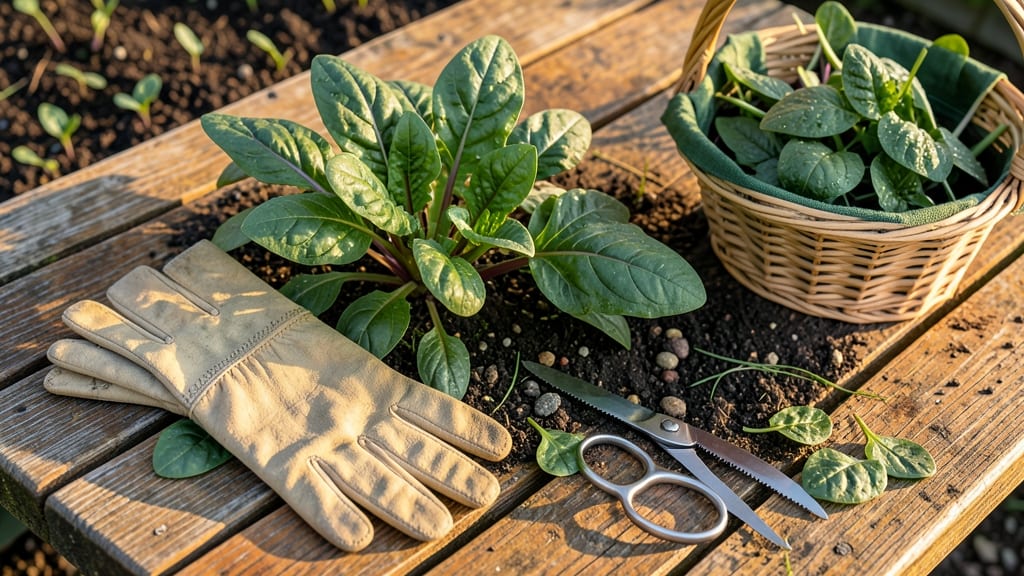
To pick spinach from your garden at the perfect moment means tender, sweet leaves that stay fresh for days—and skipping that window turns your harvest into tough, bitter scraps.
You might be tempted to grab leaves as soon as they appear, but timing is everything. Harvest too early, and you miss peak flavor; too late, and the plant bolts, sending up bitter stalks instead of delicious greens.
The secret lies in a few simple checks: leaf size, color, and even the time of day.
In this guide, I’ll walk you through five foolproof tests to know when your 🍃 spinach is ready—whether you’re growing baby leaves for salads or full-sized bunches for sautéing. Plus, I’ll share the best times of day and season to pick for maximum yield and regrowth.
Follow these tips, and you’ll enjoy a steady supply of spinach all season long, without the guesswork. Ready to transform your garden into a leafy-green machine?
5 Touch-and-color tests to determine spinach harvest readiness
Determining the perfect moment to harvest spinach can feel tricky—pick too early, and you get tough, underdeveloped leaves; wait too long, and you risk bolting or bitter flavors. The good news? Science-backed touch-and-color tests make this decision effortless.
These simple methods let you assess leaf firmness, color intensity, and plant maturity without guesswork. Whether you're growing baby spinach or full-sized leaves, these tests ensure you harvest at peak flavor and nutrition.
Spinach thrives when picked at the right stage, and these tests focus on physical cues that align with the plant's natural growth cycle. For example, leaf size and stem thickness directly correlate with tenderness.
By mastering these five tests, you’ll extend your harvest season, avoid wasted effort, and enjoy spinach that’s sweet, crisp, and packed with nutrients. Let’s dive into the details so you can confidently pick your spinach like a pro.
5 Tests to Know When to Pick Spinach
- 1. Leaf Size Test: Harvest when leaves reach 4-6 inches long for full-grown spinach or 2-3 inches for baby leaves. Measure the largest outer leaves first.
- 2. Firmness Test: Gently press a leaf between your fingers. It should feel tender but not mushy. If it resists slightly, it’s ready.
- 3. Color Test: Look for deep, vibrant green leaves. Yellowing or pale leaves indicate stress or overmaturity, while dull edges signal bolting.
- 4. Stem Check: Inspect the base of the leaf stem. If it’s thick and woody, the leaf is past its prime. Thin, flexible stems mean it’s time to harvest.
- 5. Age Benchmark: For most varieties, spinach is ready 4-6 weeks after planting. Younger plants (under 3 weeks) won’t be tender enough, while older plants may bolt.
💡 Pro Tip: Harvest outer leaves first to encourage regrowth and extend your spinach’s productivity.
The leaf size test is your first line of defense against underdeveloped spinach. For full-grown spinach, aim for leaves that are at least 4-6 inches long. These leaves will be large enough to use in salads, sautés, or smoothies without being overwhelming.
If you’re growing baby spinach, harvest when leaves reach 2-3 inches—this ensures a delicate, sweet flavor perfect for microgreens or garnishes.
Next, the firmness test reveals whether your spinach is truly ready. Gently pinch a leaf between your thumb and forefinger. If it feels slightly resistant but yields easily, it’s at its peak.
Overly soft leaves may be past their prime, while leaves that feel leathery or tough need more time to mature. This test is especially critical for heat-stressed plants, which can become bitter if harvested too late.
Color is another tell-tale sign of spinach readiness. Healthy, ready-to-harvest spinach boasts a vibrant, deep green hue. If you notice yellowing edges or pale leaves, your spinach may be stressed due to nutrient deficiencies or overmaturity.
Conversely, dull or grayish-green leaves could signal bolting, a process where the plant shifts energy from leaves to seed production, resulting in a bitter taste. Always prioritize leaves with rich, glossy color.
Don’t overlook the stem check, a subtle but crucial indicator. Examine the leaf stem where it attaches to the plant. A thin, flexible stem means the leaf is tender and ready for harvest.
If the stem feels thick or woody, the leaf has passed its prime and may contribute a fibrous, bitter taste. This test is particularly useful for older spinach plants, where stems can harden quickly once the plant starts bolting.
The age benchmark ties everything together by giving you a time-based guideline. Most spinach varieties are ready for harvest 4-6 weeks after planting. If your spinach is younger than 3 weeks, it’s still developing and will be too small or tough.
On the other hand, if it’s older than 6 weeks without harvesting, it may have already bolted or developed a stronger, less pleasant flavor. Keep a planting journal to track ages and adjust your harvest schedule accordingly.
For continuous harvests, combine these tests with a cut-and-come-again method. Snip or gently pull the outer leaves first, leaving the inner leaves and the growth point intact. This encourages the plant to produce more leaves, giving you a steady supply throughout the season.
Just be sure to harvest no more than one-third of the plant at a time to avoid stressing it.
One common mistake is waiting until the entire plant is mature before harvesting. Instead, harvest regularly to maintain tenderness and flavor. Overgrown spinach not only loses its delicate texture but also becomes more susceptible to pests and diseases.
By using these touch-and-color tests, you’ll ensure every harvest is fresh, flavorful, and ready to enjoy.
Finally, remember that seasonal factors can influence spinach maturity. In cooler climates, spinach may mature faster, while warmer conditions can slow growth or trigger bolting. Adjust your tests based on your local climate, and don’t hesitate to harvest a few leaves for tasting if you’re unsure.
Your taste buds are the ultimate judge of spinach readiness!
With these five tests in your gardening toolkit, you’ll never second-guess when to pick spinach again. Happy harvesting—and enjoy that fresh, homegrown goodness straight from your garden! 🌱
Best times of day and season for picking spinach
Timing your spinach harvest correctly ensures peak flavor, nutritional value, and continuous regrowth—not to mention avoiding that dreaded bitter taste. Spinach thrives in cool seasons, but even within those windows, daily conditions matter.
I’ve learned that morning harvests deliver the freshest leaves, while seasonal shifts dictate when to start and stop picking entirely.
The ideal harvest window spans from late spring to early fall, aligning with your region’s last and first frost dates. In USDA Zone 6a (like much of the Midwest), that means April through May for spring crops and September through October for fall plantings.
But don’t just follow the calendar—pay attention to your plants’ signals and weather patterns.
| Factor | Best Practice | Why It Matters |
|---|---|---|
| Season | Spring (April-May) & Fall (Sept-Oct) | Avoids bolting (flowering) in heat |
| Time of Day | Morning (before 10 AM) | Leaves are crispest and most nutrient-dense |
| Leaf Size | 4-6 inches long | Balances tenderness and regrowth potential |
| Temperature | Below 75°F (24°C) | Prevents bitterness and nutrient loss |
| Plant Age | 4-6 weeks old | Ensures optimal maturity without bolting |
Morning harvests between 6 AM and 10 AM are my golden rule. Why? Spinach leaves transpire (release moisture) during the day, so picking in the morning means crisp, hydrated leaves with maximum vitamin content.
Plus, harvesting after morning dew dries prevents fungal risks. If you must pick later, do it in the late afternoon—just avoid evening harvests, which can leave leaves wilted by nightfall.
Seasonal timing is equally critical. In spring, start harvesting when plants reach 4-6 weeks old and soil temps stay below 75°F (24°C). For fall crops, aim to finish picking before first frost—typically by mid-October in Zone 6a.
I’ve found that succession planting every 2 weeks in spring and late summer ensures a steady supply without overlapping harvests.
Watch for bolting signs—tall flower stalks or yellowing leaves—as your cue to harvest immediately or pull the plant. Bolting spinach becomes woody and tough, ruining both flavor and texture.
In my garden, I’ve learned that shade cloth during summer heat can delay bolting, giving me extra harvest time in warm climates.
Pro tip: Use a sharp knife or clean scissors to snip leaves just above the soil line for baby spinach or 1 inch above the base for mature leaves.
This method stimulates regrowth while keeping the plant healthy for 3-4 harvest cycles per planting. Just remember—never remove more than 1/3 of the plant at once!