
Picking
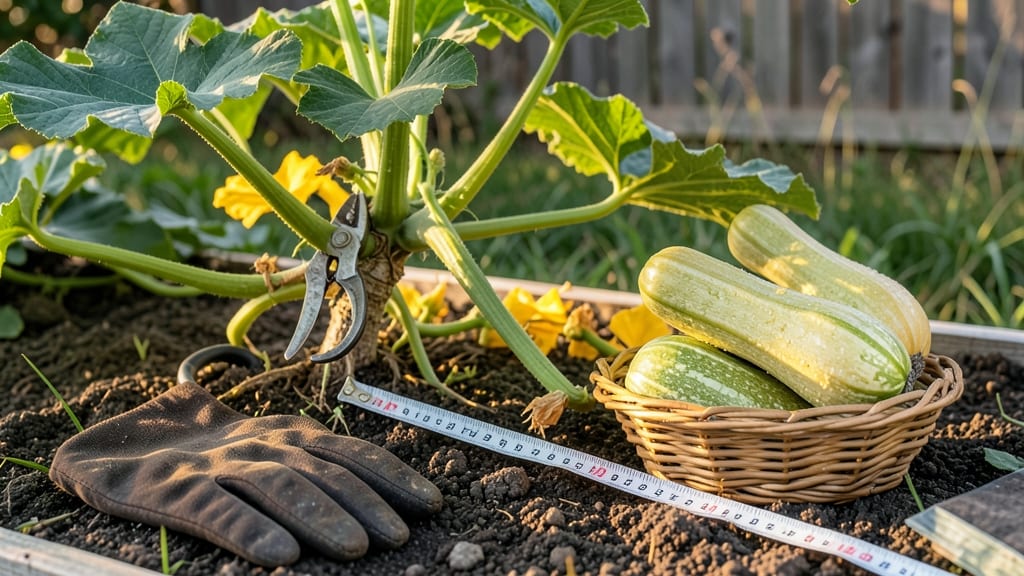
To pick spaghetti squash from your garden at the perfect moment, watch for a dull yellow skin and firm seed pods—these are the two key signs that mean tender, pasta-like strands await.
Harvesting too early gives you tough, stringy flesh instead of the delicate texture you crave. Too late, and the squash turns mealy or rots on the vine. I’ve learned the hard way that timing is everything—especially in Zone 6a, where late summer heat can rush the process.
Below, I’ll walk you through the exact visual cues (like rind color and stem dryness) and the best time of day to harvest for maximum flavor.
You’ll also discover how to test readiness with just your fingertips and what to do if your squash ripens too soon or lingers past peak.
By the end, you’ll know exactly when to wield your knife—so you can enjoy that golden, string-free spaghetti squash you’ve been dreaming of all season.
How to identify perfectly ripe spaghetti squash by skin and seed pods
Spaghetti squash reaches its peak ripeness when both its skin color and seed pod firmness meet specific criteria.
Unlike other winter squash, it doesn’t need to be fully hard like butternut—just the right balance of softness and maturity. Overlooking these cues can lead to tough, fibrous strands instead of the delicate strands you crave.
First, examine the skin color. A perfectly ripe spaghetti squash will have a dull yellow-orange hue, almost like a pale banana peel.
The rind should feel slightly soft when pressed gently—like a ripe avocado—not rock-hard or spongy. Green patches mean it’s underripe, while wrinkled or shriveled skin signals overripeness.
Next, check the stem and seed pods. The stem should be dry and woody, not green or moist. Inside, the seed pods should feel firm but not hard—like a ripe pea pod.
If they’re soft or hollow-sounding when tapped, the squash is overripe. Don’t rely on size alone; some squash stay large even when underripe.
Here’s a quick visual and tactile checklist to confirm ripeness before harvesting:
| Characteristic | Underripe Squash | Perfectly Ripe Squash | Overripe Squash |
|---|---|---|---|
| Skin Color | Bright green or patchy | Dull yellow-orange (like banana peel) | Wrinkled or grayish |
| Skin Firmness | Hard and resistant to pressure | Slightly soft (like ripe avocado) | Spongy or mushy |
| Stem Condition | Green and flexible | Dry, woody, and brittle | Shriveled or detached |
| Seed Pods (Inside) | Hard and crunchy | Firm but yielding (like pea pods) | Soft or hollow-sounding |
| Weight for Size | Feels light for its size | Hefty and dense | Lightweight (shriveled) |
| Vine Condition | Still green and growing | Yellowing and dying back | Dead or collapsed |
A common mistake is harvesting too early because the squash looks large but unripe. If you cut into it and the flesh is hard or pale, it needs more time on the vine.
Conversely, overripe squash will have watery, mushy strands that fall apart when cooked. Test one squash first if you’re unsure—it’s better to wait a few days than risk a poor harvest.
For best results, harvest in the morning after a dry spell. This ensures the skin isn’t waterlogged, making it easier to assess ripeness. Use a sharp pruning shear to cut the stem, leaving a 1-inch stem attachment to extend shelf life.
Store ripe squash in a cool, dry place (50–55°F) for up to 3 months.
Pro tip: If your squash is nearly ripe but not quite, leave it on the vine for 3–5 more days. The final color change happens quickly once it’s close! Patience pays off with strands that separate effortlessly into those coveted spaghetti-like threads.
Remember, spaghetti squash is sensitive to frost. If temperatures drop below 40°F (4°C), harvest immediately—even if it’s not perfectly ripe—to salvage what you can. Frost-damaged squash will have a bitter taste and poor texture, so act fast if autumn arrives early in your zone.
Now that you know the visual and tactile clues, you’ll never second-guess when to pick your spaghetti squash again. The next time you’re in the garden, grab a squash, give it the gentle squeeze test, and enjoy that perfect al dente texture at dinner! 🎃
Best time of day and season to harvest for maximum flavor
Timing your spaghetti squash harvest isn't just about waiting for the right seasonal cues—it's also about choosing the optimal time of day for peak flavor. Morning harvests yield the tenderest strands because the squash hasn't absorbed heat stress from the day.
I always grab mine between 8 AM and 10 AM when the air is cool and dew is still present.
For seasonal timing, most gardeners in USDA Zones 6-9 should harvest between late September and early October. This aligns with the plant's natural maturity window of 80-120 days after planting.
In cooler climates like Zone 5, extend your harvest window until the first hard frost, but act quickly—spaghetti squash won't tolerate freezing temperatures.
Weather plays a surprising role in ripeness. After a hot summer day, squash may appear ripe but lack sweetness. Wait 24 hours after extreme heat before harvesting. Conversely, overcast days can slow ripening, so check for readiness more frequently during cloudy stretches.
📋 Your Spaghetti Squash Harvest Checklist
- ✅ Morning harvest between 8-10 AM for best flavor
- ✅ Dull yellow rind (not bright yellow or green)
- ✅ Hard, dry stem that snaps easily (not soft)
- ✅ Heavy weight for squash's size (indicates full maturation)
- ✅ Yellowing vines (plant's natural decline signal)
Northern gardeners in Zones 3-5 face unique challenges due to shorter growing seasons. Start seeds indoors 4-6 weeks before your last frost date to ensure you meet the 100-day maturity window. In these regions, prioritize early-maturing varieties like 'Golden Delicious' which can reach harvest in just 85 days.
Southern gardeners in Zones 10-11 enjoy extended harvest seasons but must watch for heat stress. If temperatures exceed 95°F (35°C) for prolonged periods, your squash may develop bitter flavors.
Provide afternoon shade cloth and harvest earlier in the day to maintain quality. I've found that September harvests in Florida often yield the sweetest squash.
Remember that storage conditions after harvest affect flavor too. Once picked, store whole squash in a cool, dark place (50-55°F) where they'll keep for 2-3 months. Cut squash loses flavor quickly—cook within 3 days for the best al dente strands.
The right harvest timing ensures your squash transforms into those perfect, silky strands you crave!