
Picking
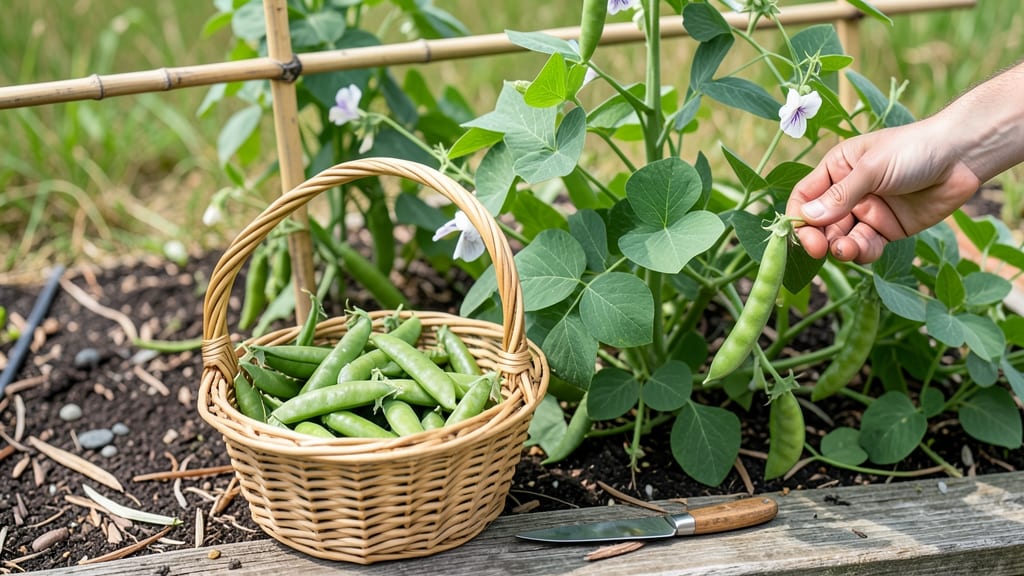
To pick peas from your garden at the perfect moment means capturing their sweetest flavor and ensuring a steady harvest—before they turn tough or lose their vibrant color.
Peas are one of the fastest-growing vegetables in your garden, but picking them at the wrong time means sacrificing sweetness and yield—here’s how to master the perfect harvest window.
Look for pods that are bright green, plump, and about 2-2.5 inches long, with seeds visible but not fully developed. A gentle squeeze should reveal a slight give, signaling peak ripeness.
Harvest in the morning when temperatures are cooler, and you’ll preserve freshness and flavor. Below, I’ll break down the 5 visual cues to spot perfectly ripe peas, plus regional tips for your climate zone.
5 Visual cues to identify perfectly ripe peas for harvesting
Peas are one of the most rewarding vegetables to grow, but timing your harvest correctly is the key to maximum sweetness and crisp texture. Picking too early means tough, underdeveloped pods, while waiting too long results in woody stems and overripe peas that lose their delicate flavor.
The secret lies in these visual maturity cues that tell you exactly when to harvest.
As a gardener who’s spent years perfecting my pea harvests, I’ve learned that pod size, color intensity, and texture are your best friends. Even the plant’s growth signals can guide you—like how the pods fill out or the stems respond to gentle pressure.
Let’s break down the five foolproof signs that your peas are ready for the table.
🌱 Numbered-Highlights: When to Pick Peas
- Pod Size: Aim for 2-2.5 inches long—any shorter means underripe, while longer pods risk toughness.
- Color: Vibrant green pods with no yellowing or brown spots—dullness signals overmaturity.
- Texture: Gently squeeze—firm but slightly yielding (like a ripe avocado). Hard pods are unripe; mushy ones are past prime.
- Seed Visibility: Peas inside should be visible but not bulging. Overripe seeds push against the pod walls.
- Stem Signal: Bend the stem near the pod—it should snap cleanly. Resistant stems mean the peas need more time.
One common mistake I see is judging ripeness by pod length alone. A 3-inch pod might look perfect, but if it’s hard and pale, it’s likely overripe. Always combine size, color, and texture for accuracy.
For example, sugar snap peas should be bright green and crisp, while shelling peas need slightly larger pods with visible but undeveloped peas inside.
Another pro tip: Harvest in the morning when peas are cool and crisp. This is when their sugar content peaks, ensuring the best flavor. Avoid harvesting after rain or in extreme heat, as this can dilute their sweetness.
I also recommend using clean, sharp scissors or pruning shears to snip pods—this prevents damaging the plant and encourages more production.
If you’re growing multiple pea varieties, pay attention to their specific maturity windows. For instance, snow peas should be harvested when pods are flat and tender, while garden peas need slightly thicker pods.
Ignoring these differences can lead to bitter or fibrous peas, even if the pods look the same size. Always check the seed packet for variety-specific guidance.
Overripe peas aren’t just less sweet—they reduce future yields. When peas stay on the vine too long, the plant diverts energy to seed maturation instead of producing new pods. This means fewer harvests later in the season.
To avoid this, I harvest every 2-3 days during peak production. Set a reminder or tie a string around the plant as a visual cue to check your peas regularly.
For container gardening, ripeness cues are even more critical because space is limited. In pots, peas grow faster due to warmer soil temperatures, so you’ll need to monitor them daily. Look for slightly curved pods—this is a telltale sign of ripeness in compact growing conditions.
If your container garden is in a shady spot, pods may develop more slowly, so adjust your expectations accordingly.
Finally, store harvested peas properly to preserve their freshness. Place them in the fridge for up to 5 days or blanch and freeze for long-term storage.
If you’re unsure whether a pea is ripe, cut it open—the perfect pea inside should be plump, bright green, and just starting to fill the pod. This simple test removes all guesswork and ensures you’re always harvesting at peak flavor.
Mastering these visual cues will transform your pea harvests from meh to magnificent. Soon, you’ll be the gardener everyone asks for fresh, sweet peas—not the tough, bland ones that disappoint. Happy harvesting! 🌱✂️💧
Pea variety matters: harvest timelines for shelling vs. snap peas
Not all peas are created equal when it comes to harvest timing. Shelling peas (like Sugar Snap or Wando) and snap peas (like Sugar Sprint) have different maturity windows and flavor peaks.
Understanding these differences ensures you don’t miss the sweetest, tenderest pods—or worse, let them turn tough and mealy.
For shelling peas, the ideal harvest window is when pods are 2-2.5 inches long and bright green, with visible but not fully formed peas inside.
This usually happens 60-70 days after planting. Snap peas, on the other hand, should be harvested when pods are flat, crisp, and 2-3 inches long, typically 55-65 days after sowing.
Here’s a quick comparison to help you time your harvests perfectly:
| Pea Type | Harvest Window (Days) | Pod Size | Flavor Peak | When to Stop Picking |
|---|---|---|---|---|
| Shelling Peas | 60-70 | 2-2.5" round | Sweetest when peas inside are small | When pods turn yellow or seeds bulge |
| Snap Peas | 55-65 | 2-3" flat | Crispest when pods are firm and bright green | When pods start to yellow or seeds form |
| Snow Peas | 50-60 | 1.5-2" flat | Most tender when pods are thin and sweet | When pods thicken or seeds develop |
Knowing when to stop picking is just as important as when to start. For shelling peas, let pods mature slightly on the vine to develop sweetness, but don’t wait until seeds bulge—this makes pods tough.
For snap peas, harvest before pods yellow or seeds form, or they’ll become fibrous and bitter.
Pro tip: Pick peas in the morning when they’re cool and crisp. Use clean scissors or fingers to avoid damaging the plant. Regular harvesting also encourages more production—stop picking only when plants start to yellow or flower heavily, signaling the end of their harvest cycle.
If you’re growing multiple varieties, prioritize early-maturing types like Little Marvel for snap peas or Oregon Sugar Pod for shelling peas. These give you earlier harvests and longer production windows. For late-season harvests, opt for heat-tolerant varieties like Tom Thumb or Green Arrow.
Remember, consistency is key. Check your pea plants every 2-3 days during peak harvest season. The more you pick, the more your plants will produce—until they finally taper off in late summer. With the right timing, you’ll enjoy sweet, homegrown peas all season long! 🌱