
Picking
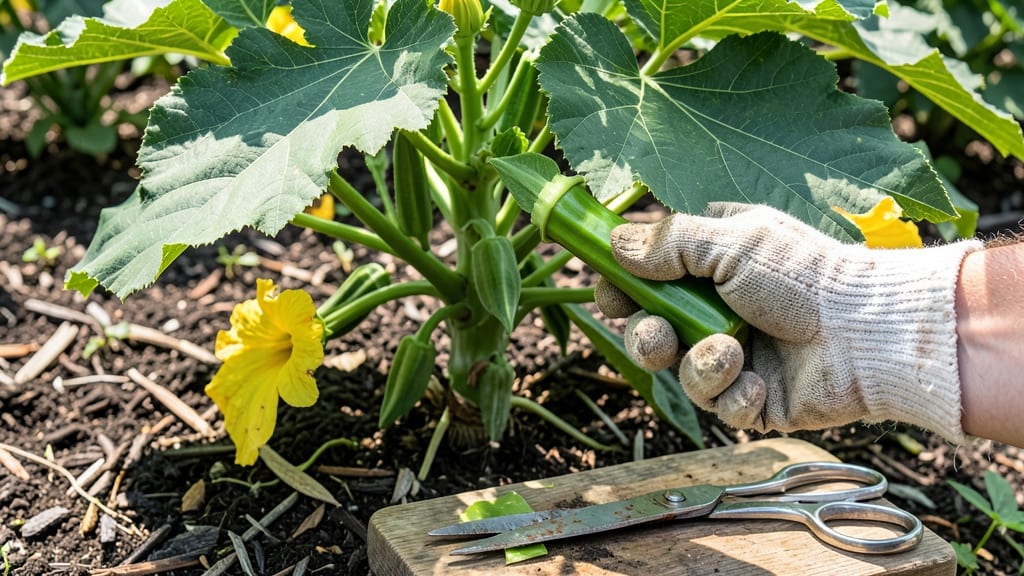
Picking okra from the garden at the right time turns a simple harvest into a flavor-packed victory 🌱 — and the key is knowing when those pods hit their sweet spot.
Okra lovers know the struggle: harvest too early, and you get tough, seedy pods; wait too long, and they turn into woody sticks. The secret to tender, flavorful okra lies in timing—and your fingers are the best tool to get it right.
Most gardeners reach for a ruler, but the truth is, your hand is all you need. A simple 3-inch rule (or about the length of your index finger) is the golden standard, but there’s more to it than just size.
Below, I’ll show you how to read your okra plants like a pro—when to snip for that perfect crunch, how often to check, and why daily harvests keep your plants producing like crazy.
How to determine okra picking time using your fingers (3 key tricks)
Okra pods grow fast, but timing your harvest is everything. If you pick too early, you'll end up with underdeveloped pods that lack flavor. Wait too long, and you're left with woody, fibrous sticks that even a pressure cooker can't save.
The good news? Your fingers can tell you exactly when to harvest—no guesswork required.
Most gardeners focus on days after planting (usually 50-60 days for most varieties), but the real secret lies in pod size and texture. Okra plants keep producing, so consistent harvesting is key.
Here's how to use your fingers as a built-in measuring tool to nail the perfect harvest window every time.
Why size matters: Okra pods grow 1-2 inches per day under ideal conditions. At 2-3 inches long, they're tender and packed with flavor. Beyond 4 inches, they become tough and seedy. Your fingers give you an instant way to check without pulling out a ruler every time.
- 1 Finger-Length Rule: Hold your thumb and forefinger 1.5 inches apart (about the width of your pinky finger). If the pod fits snugly between them, it's ready to harvest. This matches the ideal 2-3 inch range for tender okra.
- 2 Firmness Test: Gently squeeze the pod between your thumb and index finger. It should feel firm but slightly yielding—like a ripe avocado. If it's too soft, wait a day; if it's rock-hard, you've missed your window.
- 3 Visual Gloss Check: Run your fingertip along the pod's surface. Ready-to-harvest okra has a slightly waxy, glossy finish. Dull or matte pods are either too young or overripe. This trick works even in low light when sizing is tricky.
Pro tip: Use your middle finger as a backup measure. When the pod reaches about 3 inches long, it'll stretch from your knuckle to your fingertip—another foolproof way to check without tools. This method works for both Clemson Spineless and Emerald varieties, the most popular types in home gardens.
Harvesting at the right stage isn't just about flavor—it's about encouraging more production. Okra plants respond to regular picking by producing 2-3 new pods per day during peak season.
If you let pods grow beyond 4 inches consistently, the plant will focus energy on seed development instead of new growth, slowing down your harvest.
For container-grown okra, these finger tricks are especially useful since space is limited. You'll want to harvest even more frequently (every 2-3 days) to prevent overcrowding. Use your fingers to check pods while you're watering—no need to bend over and risk disturbing the soil.
Regional growers swear by this method too. In hotter climates (Zones 8-10), okra grows faster, so you might need to check pods daily. In cooler areas (Zones 6-7), pods mature more slowly, giving you a 3-4 day window between checks.
Your fingers adapt to your climate naturally—just adjust how often you test.
One common mistake? Assuming all pods on a plant will ripen at the same time. Harvest each pod individually as it reaches the ideal size. Use your finger-length trick to spot the ready ones while leaving the smaller pods to mature.
This staggered harvesting ensures a steady supply of tender okra throughout the season.
Remember: Okra's texture changes faster than its size. A pod might look "ready" at 2.5 inches but feel tough if it's been on the vine too long.
Always combine your finger measurements with the firmness test for the most accurate results. With these tricks, you'll never waste another overripe pod again.
Okra pod size chart: when to harvest by stage (from tiny to tough)
Harvesting okra at the right pod size transforms it from rubbery disappointment to crisp, flavorful perfection. The key? Knowing the 3-inch sweet spot where tenderness meets harvest readiness.
Too small, and you're left with underdeveloped pods; too large, and you battle tough fibers. Let's break down what to look for at each stage.
Your fingers are your best tool—wrap them around an okra pod to gauge size instantly. The ideal harvest window falls between your thumb and index finger (about 2-3 inches).
This size delivers the best texture and flavor, with minimal seeds and maximum moisture. Miss this window, and you'll end up with pods that feel like wooden sticks.
| Pod Size | Texture | Flavor Profile | Harvest Action |
|---|---|---|---|
| 1-2 inches | Very soft, almost mushy | Mild, underdeveloped | Leave on plant |
| 2-3 inches | Firm but tender | Sweet, crisp, perfect | Harvest immediately |
| 3-5 inches | Firm but slightly fibrous | Strong, earthy flavor | Harvest if needed |
| Over 5 inches | Tough, woody | Bitter, seedy | Discard or compost |
At 2-3 inches, okra pods reach their peak tenderness, offering the perfect balance of crispness and mild flavor. This is the sweet spot where pods snap easily when bent slightly and feel firm yet yielding to gentle pressure.
Regular harvesting at this stage encourages your plant to produce more pods, extending your harvest season.
When pods grow beyond 3-5 inches, they develop a stronger, earthier flavor but become noticeably tougher. While still edible, they require more chewing and lose that desirable crisp texture. Think of these as your "backup" pods for soups or stews where texture matters less than flavor depth.
Let pods reach over 5 inches, and you've entered the tough zone. These pods develop thick, fibrous walls and hard seeds that dominate the eating experience. Instead of harvesting, consider saving seeds for next year's garden or composting to return nutrients to the soil.
Pro tip: Check your okra plants every 2-3 days during peak production. Consistent harvesting prevents pods from growing past the ideal size, ensuring you always enjoy that perfectly tender texture. With practice, you'll develop an eye for spotting the ideal harvest window before it slips away.