
Picking
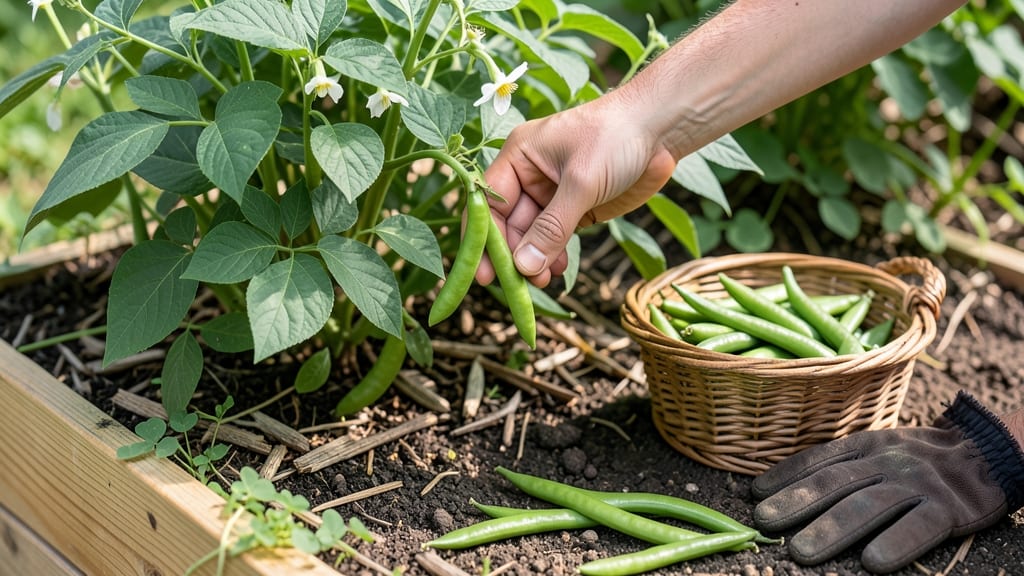
To pick green beans from your garden at the perfect moment means snapping them fresh, crisp, and packed with flavor—before they turn tough or seedy.
Harvesting too early leaves you with tiny, underdeveloped pods, while waiting too long ruins the texture and taste. The key? A simple snap test and knowing when those pods hit 4-6 inches of ideal length.
This guide breaks down the exact cues—from color and firmness to the best time of day—to ensure every harvest is at its peak. Whether you're in Zone 6a or another region, these tips will keep your 🌱 green beans productive all season.
You’ll also learn how often to pick for continuous yields, how to spot overripe beans before they ruin the batch, and storage tricks to preserve that just-picked freshness.


How to use the snap test & size guide for perfect green bean harvesting
Green beans reach their peak flavor and texture when harvested at the right moment—but knowing exactly when that is can be tricky. The snap test and size guide are my go-to methods for determining the perfect time to pick.
These simple techniques ensure you enjoy crisp, tender pods packed with sweetness, rather than tough, fibrous ones. The difference between a mediocre harvest and a mouthwatering one often comes down to timing, and these methods make it foolproof.
Timing your harvest correctly isn’t just about flavor—it also boosts your plant’s productivity. When you pick green beans at their prime, you encourage the plant to produce more pods throughout the season.
Overlooking these cues can lead to stunted growth or even the plant redirecting energy toward seed production instead of new beans. Think of it like giving your green beans a high-five for their best performance!
Here’s the key: harvest when pods are 4-6 inches long, firm to the touch, and snap easily when bent. This combination of size, texture, and the snap test ensures you’re picking at the sweet spot.
But what if you’re unsure? Let’s break it down with a visual guide to make it even clearer.
| Stage | Pod Length | Snap Test | Seed Visibility | Action |
|---|---|---|---|---|
| Not Ready | Under 3 inches | Soft, no snap | Seeds tiny or invisible | Wait 2-3 more days |
| Perfect to Pick | 4-6 inches | Crisp snap when bent | Seeds visible but small | Harvest immediately |
| Overripe | Over 6 inches | Tough, no snap | Seeds large and firm | Discard or save seeds |
🌱 Pro Tip: Check pods every 2-3 days during peak harvest season for the best results.
The snap test is my favorite trick because it’s instant feedback. Simply pick a pod and bend it gently near the middle. If it snaps cleanly with a crisp sound, it’s ready to harvest. If it bends without snapping or feels mushy, it’s not quite there yet.
This test is especially useful for bush beans, which can mature faster than pole beans. For pole varieties, focus on the top pods first since they tend to ripen earlier.
Color is another clue, but it’s not as reliable as size or the snap test. Most green beans should be a vibrant, even green hue when ripe. However, some heirloom varieties like Blue Lake or Roma may have slight variations in shade.
If the pod looks dull or yellowing, it’s past its prime. Always prioritize the snap test and size over color alone to avoid missing the sweet spot.
Time of day can also influence your harvest. Early morning is ideal because the pods are cool and crisp from overnight moisture. Avoid harvesting in the heat of the day, as the pods can become limp and less flavorful.
If you must pick later, wait until late afternoon when temperatures drop slightly. This small adjustment can make a big difference in texture and taste.
Don’t forget that harvesting frequency plays a role in keeping your plants productive. If you wait too long between pickings, the plant will focus on seed production, reducing the number of new pods.
Aim to harvest every 2-3 days during peak season to encourage continuous growth. This frequent attention pays off with a longer harvest window and more beans overall.
For pole beans, which climb trellises or stakes, start harvesting from the top of the plant and work your way down. This method ensures you don’t miss any ripe pods hidden among the foliage.
Use sharp pruning shears or simply pinch the pod off to avoid damaging the plant. Always leave the stem attached to the pod—it helps preserve freshness and makes storage easier.
One common mistake is assuming all green beans are ready at the same time. Even within the same plant, pods can ripen at slightly different rates. That’s why I recommend scanning your plants every 2-3 days during the harvest season.
This habit ensures you never miss a batch of perfectly ripe beans. Plus, it’s a great excuse to spend more time in the garden!
When you master the snap test and size guide, your green bean harvest will be crisp, flavorful, and abundant. The key is consistency—check your plants regularly, use the snap test as your primary guide, and don’t let pods overripe.
With these tips, you’ll enjoy a harvest that’s the envy of every gardener in your neighborhood. Happy harvesting! 🌿
Common mistakes that ruin your green bean harvest (and how to avoid them)
Even experienced gardeners often overlook subtle signs that their green beans have passed peak harvest time. Waiting just a few days too long can turn crisp, tender pods into tough, stringy messes. The most common mistake? Ignoring the pod's maturity stage until it's too late.
Another frequent error is assuming all green beans ripen at the same rate. Different varieties—like bush beans versus pole beans—mature at different speeds, yet many gardeners treat them identically. This oversight leads to uneven harvests and wasted production.
⚠️ callout-warning
⚠️ Warning: Overripe Beans Are a Flavor Crime
If your green beans develop yellowing pods or bulging seeds, they've crossed into "too late" territory. These beans won't just be tough—they'll have a mealy texture and bitter taste. The ideal harvest window is when pods are 4-6 inches long and bright green, not when they start turning yellow or feel woody.
Pro Tip: Check your plants every 2-3 days during peak season (July-September). This prevents overmaturity and maximizes your harvest.
Many gardeners also make the mistake of harvesting green beans at the wrong time of day. Picking in the midday heat causes stress to the plant, while harvesting in the evening can leave beans damp, accelerating spoilage. The best time? Morning hours when pods are cool and crisp.
Another overlooked issue is harvesting frequency. Some gardeners pick too infrequently, letting pods swell beyond their prime, while others harvest too aggressively, stressing the plant. The sweet spot? Aim to harvest every 2-3 days during peak production to encourage continuous flowering and pod development.
Finally, don't ignore the plant's signals. If your green beans stop producing new pods or the existing ones turn dull green or purplish, it's a sign the plant is exhausted.
This often happens in late summer when heat stress or drought sets in. Adjust your watering schedule and provide light shade if needed to extend the harvest season.
By avoiding these common mistakes—like waiting too long, harvesting at the wrong time, or ignoring plant signals—you'll enjoy a continuous supply of crisp, flavorful green beans all season long. The key is consistency and attention to detail, not just luck. 🌱