
Picking
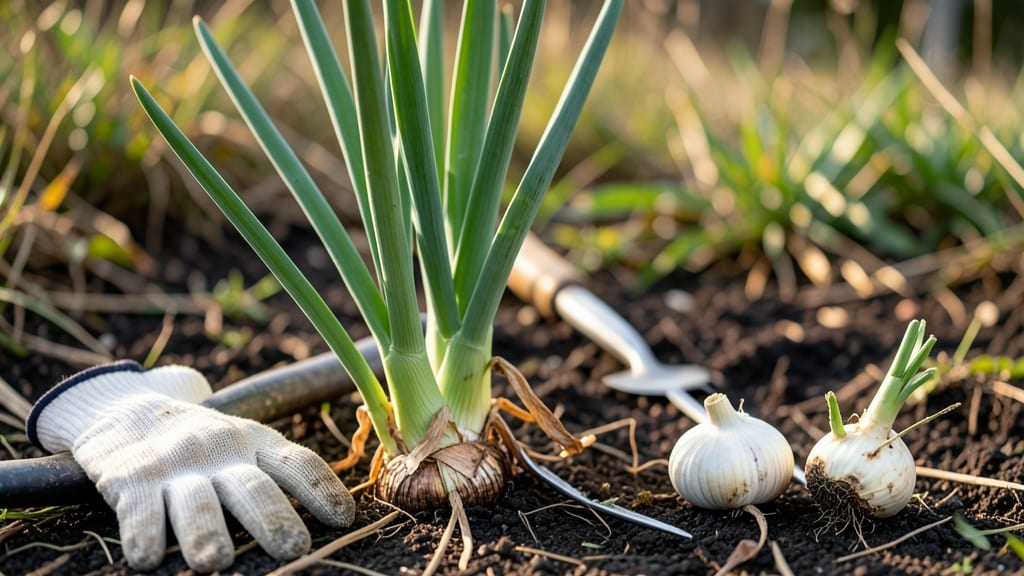
Picking garlic from your garden at the right time ensures you get plump, flavorful bulbs instead of shriveled cloves.
Harvesting garlic at the wrong time can mean the difference between plump, flavorful bulbs and shriveled, pungent cloves—so knowing exactly when to pick garlic from your garden is a skill every gardener must master.
Look for these key signs: the lower leaves should turn brown and crispy, while the bulbs remain firm and well-formed. If you dig too early, you’ll end up with small, soft cloves that won’t store well.
In this guide, I’ll walk you through the perfect timing, how to check for readiness, and the simple steps to cure and store your harvest for months to come.
How to identify the perfect time to harvest garlic
Knowing when to pick garlic from garden is all about reading your plants. The ideal harvest window for garlic typically falls in late spring to early summer, but the exact moment depends on two key factors: variety type (hardneck vs. softneck) and visual maturity cues from your plants.
Miss this window, and you risk either underdeveloped bulbs or overripe cloves that split open in the soil.
For hardneck garlic, which produces scapes, harvest timing often aligns with scape removal (typically 6-8 weeks after planting). Meanwhile, softneck varieties mature slightly later, often by mid-to-late summer.
Both types share the same physical readiness signs, though, making it easier to standardize your approach once you know what to look for.
| Indicator | Hardneck Varieties | Softneck Varieties | Action Required |
|---|---|---|---|
| Lower Leaves | Brown and crispy (60-70%) | Brown and crispy (50-60%) | Harvest within 1-2 weeks |
| Bulb Size | 3-4 inches in diameter | 2.5-3.5 inches in diameter | Check by gently digging one bulb |
| Stem Condition | Drying but not yet fallen over | Drying and slightly woody | Avoid waiting until stems collapse |
| Papery Skin | Tight and dry to touch | Tight and slightly papery | Harvest before skin loosens |
| New Growth | No new green shoots | No new green shoots | Complete growth cycle |
The most reliable visual cue for harvest readiness is the lower leaves turning brown and crispy.
Start checking your garlic plants when about 50-70% of the lower leaves have died back, depending on the variety. Hardneck garlic often shows these signs slightly earlier than softneck varieties, so pay close attention to your specific type.
Another critical physical indicator is the bulb size. Gently dig up one bulb to check its development. A ready-to-harvest bulb should be 3-4 inches in diameter for hardnecks and 2.5-3.5 inches for softnecks.
If the bulb feels firm and well-rounded with tight papery skin, it’s time to harvest. If it’s still small or soft, wait another week or two.
Timing is also influenced by weather conditions. Aim to harvest garlic 1-2 weeks before the first expected frost in your region. This ensures the bulbs have fully matured but haven’t absorbed excess moisture from rainy weather, which can lead to rot or poor storage quality.
In USDA Zone 6a, this typically means harvesting between late June and early July.
One common mistake is waiting until the stems flatten or collapse, which signals the garlic is overripe. By this point, the bulbs may have already split open in the soil, reducing their storage life and flavor.
Instead, harvest when the stems are still upright but drying out. This balance ensures you get the best flavor and storage potential from your harvest.
For hardneck varieties, which produce scape shoots, you’ll often notice a second flush of growth after removing the scapes. This is your plant’s final push to mature the bulbs.
Watch for the lower leaves to brown again after scape removal—this is your second cue to start checking for harvest readiness.
If you’re unsure whether your garlic is ready, perform the dig-and-check test on a small section of your garden. Gently dig up one or two bulbs and examine them.
If the skin is tight and dry, and the cloves are plump and well-formed, it’s time to harvest the entire patch. If not, mark your calendar and check again in a week.
Remember, harvesting garlic at the right time is about balancing patience with action. Waiting too long can ruin your crop, but harvesting too early means small, underdeveloped bulbs.
By focusing on the leaf browning, bulb size, and stem condition, you’ll consistently achieve a high-quality garlic harvest every season.
Common mistakes that ruin your garlic harvest
Even experienced gardeners can fall victim to critical mistakes when harvesting garlic. The most common errors—like picking too early or too late—can turn your hard work into disappointing, shriveled bulbs. These oversights don't just affect flavor; they also shorten storage life and waste your entire season's effort.
Let me share the most frequent blunders I've seen in gardens, along with how to spot them before they ruin your harvest. Understanding these pitfalls will help you avoid bitter-tasting garlic, poor bulb formation, and even mold during storage.
The key is knowing the exact signs of readiness and acting at the right moment.
⚠️ Warning: Harvesting Too Early or Too Late
Timing is everything—picking garlic too early results in small, soft bulbs with poor flavor, while waiting too long causes split skins and mold. The ideal moment is when 50-60% of leaves turn brown but before the papery skin cracks. Hardneck varieties typically mature in late June to early July, while softneck types take 10-14 days longer.
Pro Tip: Gently pull back the soil near the base of a stalk—if the bulb is 1.5-2 inches wide, it's ready. If it's smaller, wait 1-2 weeks.
Another common mistake is improper curing, which happens when harvested garlic isn't dried correctly. Many gardeners rush to braid or store their garlic immediately, but this leads to moldy cloves and rot.
Proper curing requires 2-4 weeks of air-drying in a well-ventilated, shady spot with temperatures between 60-70°F. Skipping this step means your garlic won't store well past winter.
Storage mistakes are just as damaging. Storing garlic in plastic bags or the refrigerator accelerates spoilage. Instead, keep bulbs in a cool, dark, dry place with good airflow, like a mesh bag or open basket.
Humidity is the enemy—high moisture levels cause sprouting and mold growth, turning your harvest into a science experiment rather than a pantry staple.
Even after curing, many gardeners make the error of trimming roots too aggressively. Leaving 1-2 inches of roots attached helps the bulb retain moisture and flavor during storage.
Over-trimming leads to dry, papery cloves that lose their punch. Think of the roots as a natural barrier—preserve them to protect your investment.
Finally, don't ignore the weather forecast before harvesting. Rainy conditions can lead to soil-splattered bulbs that won't cure properly. Aim to harvest on a dry, sunny day with 50-60°F temperatures.
If rain is in the forecast, cover your garlic with a tarp for 24-48 hours before digging to let the soil dry out slightly.
By avoiding these common mistakes, you'll transform your garlic harvest from a gamble into a reliable, flavorful success. The difference between store-bought garlic and homegrown treasure often comes down to these simple adjustments. Your future meals—and your pantry—will thank you! 🧄