
Picking
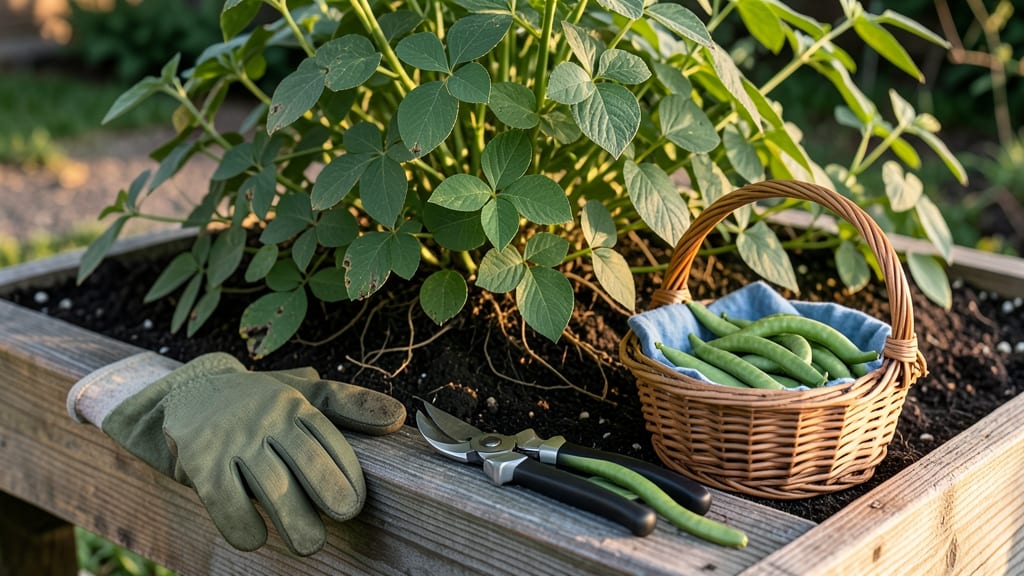
To pick beans from your garden at the perfect moment means harvesting crisp, flavorful pods that snap with every bite—not stringy, overripe mess.
Picture this: you’ve nurtured your 🌱 green beans all season, and now the moment of truth arrives. One wrong move, and your homegrown bounty turns into mushy disappointment. But nail the timing, and you’re rewarded with pods so tender they practically sing when cooked.
Most gardeners wait too long, letting beans toughen and lose sweetness. The key? Watch for 4-6 inch pods with plump seeds that haven’t fully hardened yet. Morning picks stay fresher longer, and avoiding the afternoon heat prevents stress on the plant.
In this guide, I’ll walk you through the 5 visual cues that signal peak ripeness, how different bean varieties play by their own rules, and the simple tricks to keep your harvest coming all summer long.
5 Visual cues to identify perfectly ripe garden beans
Knowing when to pick beans from your garden transforms your harvest from bland to extraordinary. The difference between a crisp, sweet pod and a woody, stringy mess often comes down to timing—specifically, these five visual cues that signal peak ripeness.
Whether you're growing bush beans, pole beans, or snap peas, these signs apply universally to ensure maximum flavor and texture.
I've learned through years of gardening that overripe beans lose their snap and develop tough skins, while underripe beans remain bitter and rubbery. Mastering these visual cues will help you harvest at the perfect moment, guaranteeing a garden-fresh taste that store-bought beans can't match.
Let's dive into the specific details that will change how you approach your bean harvest.
🌱 5 Visual Cues for Perfectly Ripe Garden Beans
- Pod Size: Ideal length is 4-6 inches for most varieties, with snap peas at 2-3 inches. Measure against your thumb—if it spans your middle to ring finger, it's ready!
- Color Uniformity: Look for even, vibrant color (green, yellow, or purple) without yellowing or browning. Wax beans should have a creamy yellow hue throughout.
- Texture: Gently squeeze the pod—it should feel firm but slightly yielding, like a crisp carrot. Avoid pods that feel spongy or leathery.
- Seed Development: Seeds should be visible but not fully formed. For green beans, seeds should be peanut-sized; for lima beans, they'll be plump but soft.
- Snap Test: Hold the pod between your thumb and forefinger and bend gently. If it snaps cleanly with a slight crack, it's perfect. A bend without snapping means it's overripe.
Let me share a personal tip: I always harvest in the morning when pods are cool and crisp. The dew on the leaves signals the ideal time—beans taste their best after a cool night and before the midday heat can cause them to wilt.
This simple habit has made a noticeable difference in the flavor and texture of my harvests.
For pole beans, which take longer to mature, I check the topmost pods first since they often ripen earlier. If you're growing multiple varieties, keep a small notebook nearby to track which plants are ready for harvest and which still need time.
This method helps prevent overlooking ripe pods while they're still at their peak.
One common mistake I see is waiting too long because the pods look "big enough." But size alone isn't enough—you must also consider the seed development and pod texture.
For example, snap peas should be harvested when their pods are plump but still tender, not when they start to pucker or dry out. The same rule applies to green beans, where overripe pods develop thick skins and tough fibers.
I also recommend picking frequently—every 2-3 days during peak season—to encourage your plants to produce more beans. When beans remain on the vine too long, the plant redirects energy to seed development, reducing overall yield.
This frequent harvesting trick has doubled my harvest in past seasons, and I've noticed the beans stay sweeter and crisper as a result.
If you're unsure whether a pod is ready, I suggest cutting it open lengthwise to check the seeds. For green beans, the seeds should be small and soft, while for dry beans, you'll want to wait until the seeds are fully formed but still tender.
This quick check gives you instant feedback and helps you adjust your harvesting schedule accordingly.
Pro tip: Store freshly picked beans in the refrigerator for up to 5 days to maintain their crispness and flavor. I like to trim the ends and place them in a ventilated container with a paper towel to absorb excess moisture.
This simple storage method keeps them fresh longer than leaving them on the counter.
Remember, the key to perfect beans is consistency. The more you observe and harvest at the right stages, the more intuitive it becomes. Soon, you'll be able to spot ripe beans with a glance, ensuring every pod you bring inside is bursting with garden-fresh flavor. Happy harvesting! 🌱
How bean variety affects harvest timing: a quick comparison
Not all beans ripen the same way—and picking them at the wrong stage can mean the difference between a crisp, sweet pod and a tough, starchy mess. Each variety has its own ideal harvest window, from pod length to color shifts.
Let’s break down the key differences so you can time your harvests perfectly for maximum flavor and yield.
For example, green beans and snap peas are best harvested young, while lima beans and wax beans have their own unique cues. Understanding these distinctions ensures you don’t miss the sweet spot where beans taste their best.
Below, we’ll compare the pod size, color cues, and flavor decline patterns for each type.
Green beans, like Blue Lake or Contender, should be harvested when pods reach 4-6 inches long and are still bright green. If you wait too long, the pods toughen up and lose their sweetness.
I always pick mine in the morning when they’re crispest, and I avoid letting them swell beyond their ideal size.
Wax beans, such as Golden Wax or Yellow Wax, have a slightly longer window for harvest. Their pods should be 5-7 inches long and maintain a waxy yellow-green hue.
Once they turn fully yellow or develop hard seeds, their flavor quickly declines. I’ve found that wax beans stay tender longer than green beans, making them forgiving for beginners.
Lima beans are unique because they can be harvested at two stages: as baby lima beans (3-4 inches) or as mature beans (5-6 inches). Baby limas have a buttery texture, while mature ones are firmer and better for drying. I prefer picking them when the pods are plump but not wrinkled, ensuring a balance of tenderness and flavor. Overripe limas become dry and tough.
Snap peas, like Sugar Snap or Oregon Sugar Pod, are best picked when pods are 2-3 inches long and still glossy green. Their seeds should be tiny and undeveloped—if you see any bulk in the pods, they’ve passed their prime.
I often harvest snap peas every 2-3 days to encourage more production, as they mature quickly.
Remember, the flavor decline after peak ripeness varies by variety. Green beans and snap peas lose sweetness rapidly, while wax beans and limas can linger a bit longer before becoming tough. Always check for firmness and seed development—these are your best indicators of perfect ripeness.