
Picking
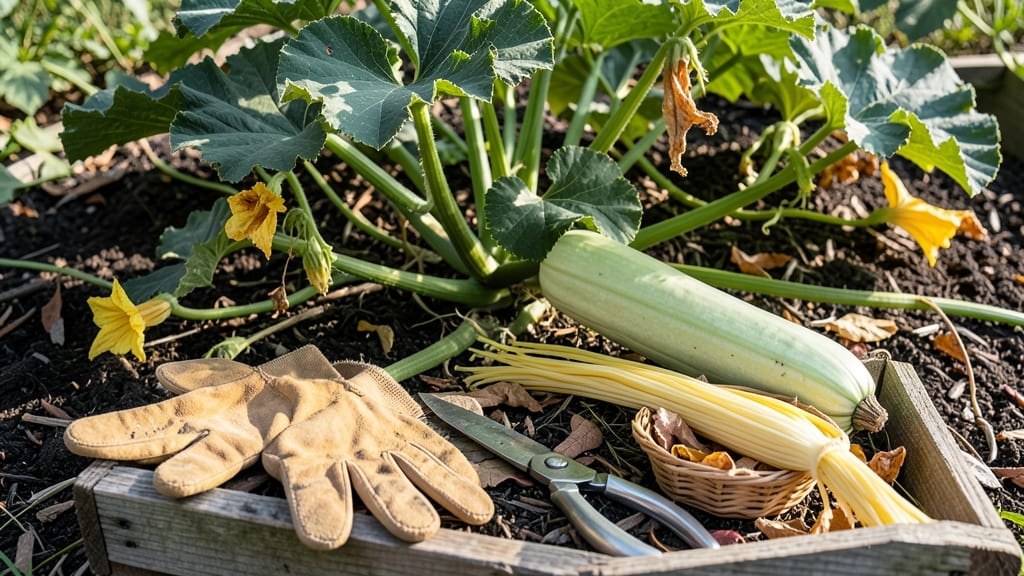
Harvesting spaghetti squash from the garden at the right time ensures tender, flavorful strands instead of a tough, dry mess 🎃 — and the key is knowing when to pull it from the vine.
Picking spaghetti squash at the wrong time can turn your gourmet meal into a tough, stringy disappointment—so how do you know when it’s truly ready? The answer lies in three simple visual cues that most gardeners miss.
First, check the rind: when it’s hard enough to resist a fingernail but still smooth to the touch, that’s your green light. Next, look for a duller skin tone and a vine that’s starting to yellow—signs the plant is redirecting energy to the fruit.
In this guide, I’ll walk you through these 3 foolproof signs, plus how to adjust for your USDA Zone 6a timeline and avoid the most common mistakes that ruin flavor.
3 Visual cues to harvest spaghetti squash at peak ripeness
Harvesting spaghetti squash at the right moment transforms your garden bounty into a tender, flavorful masterpiece. Miss the window, though, and you’ll end up with tough, fibrous flesh that’s nearly impossible to cook properly.
The key lies in these three visual cues that signal perfect ripeness—color shifts, stem changes, and skin firmness—each offering clear clues about when to pick.
I’ve learned the hard way that waiting until the squash looks just ripe isn’t enough. You need to check all three cues simultaneously for that ideal balance of sweetness and texture.
For example, a squash might look golden but still feel soft—meaning it needs more time. Let’s break down exactly what to look for in your garden.
- 1. Skin Color: Deep, dull golden-yellow (not shiny). Avoid bright orange—this indicates overmaturity.
- 2. Stem Changes: Dry, papery stem that easily snaps off at the base (no green tissue). Yellowing vines are a bonus sign.
- 3. Skin Firmness: Hard rind that resists fingernail puncture (press gently—if it doesn’t dent, it’s ready).
Let’s start with skin color, the most obvious clue. A ripe spaghetti squash will have a matte, golden-yellow hue, almost like a pale banana. If it’s still green or shiny, it’s not ready—these squash need full sun to develop their signature color.
I once picked a squash that looked perfect but was still green underneath the rind, and the texture was disappointing.
Next, examine the stem and vine. When the squash is ripe, the stem will turn dry and papery, almost like old parchment. You should be able to twist it off cleanly without resistance.
If the stem is still green or moist, the squash needs more time. Pay attention to the vines too—they’ll start yellowing and dying back as the squash matures.
The skin firmness test is my favorite trick because it’s foolproof. Press your fingernail into the squash’s skin: if it doesn’t dent, it’s ready to harvest. A soft spot means it needs more time, while a squash that’s too hard might be overripe.
I test this on multiple squash in a patch to ensure consistency—some ripen faster than others.
Here’s a pro tip: Harvest in the morning when temperatures are cooler. This preserves the squash’s moisture and flavor. Use a sharp knife or pruners to cut the stem, leaving a 1-inch stem attachment to prevent rot.
After harvesting, let them cure in a warm, dry place for 3–5 days to improve flavor.
Regional differences matter too. In warmer climates, spaghetti squash may ripen earlier (late summer), while cooler zones might extend harvest into early fall. Keep an eye on your local first frost date—if frost is coming, harvest even if the squash isn’t perfectly ripe.
They’ll keep for weeks in a cool, dark place.
One common mistake? Ignoring the vine health. If the vines are still lush and green while the squash looks ripe, it’s likely not ready. The plant redirects energy to the fruit only when it’s time to mature.
I’ve seen gardeners pick too early because they assumed the squash “looked big enough,” only to regret it later.
Finally, weight matters. A ripe spaghetti squash feels heavy for its size, thanks to its dense flesh. If it feels light or hollow when lifted, it’s not ready. Balance this with the other cues—sometimes squash gain weight from water uptake, so always check firmness too.
Mastering these visual cues will ensure your spaghetti squash is tender, sweet, and stringy-perfect every time. Next time you’re in the garden, grab a squash and give it the full once-over—your future meals will thank you! 🎃
How long does spaghetti squash take to mature? Timing by variety
Spaghetti squash is a patient gardener's reward, with maturity timelines that vary by variety and growing conditions. Most varieties take between 80 to 120 days from planting to harvest, but cooler climates or shorter growing seasons can extend this window.
Knowing your specific variety's timeline helps you plan for the best harvest window and avoid late-season disappointments.
For example, the popular 'Honey Bear' variety typically matures in 90 to 100 days, while 'Tivoli' often reaches harvest readiness in 100 to 110 days. These differences matter because late-maturing varieties may struggle in regions with early first frost dates.
Always check seed packets for exact days-to-maturity, as this is your best starting point.
| Variety | Days to Maturity | Best Harvest Months | Notes |
|---|---|---|---|
| 'Honey Bear' | 90-100 days | Late August-September | Sweet, tender flesh; ideal for cooler climates |
| 'Tivoli' | 100-110 days | September-October | Disease-resistant; better for warm regions |
| 'Golden Spaghetti' | 85-95 days | August-September | Early maturing; great for short seasons |
| 'Bee's Knees' | 110-120 days | October (if frost-free) | Heirloom; needs longer growing season |
Weather plays a crucial role in adjusting these timelines. Cooler temperatures slow growth, potentially delaying harvest by 10 to 20 days, while hot, sunny conditions can speed up maturation.
For example, in USDA Zone 6a, where I garden, I often see 'Honey Bear' mature about two weeks earlier than the seed packet suggests because our summers are warm but not extreme.
Regional differences also matter. In warmer climates (Zones 8-10), spaghetti squash may mature 10-15 days faster than listed, while cooler zones (Zones 4-5) might need 10-20 extra days.
If you're in a marginal zone, consider starting seeds indoors or using black plastic mulch to warm the soil and extend the growing season.
Timing isn't just about days—it's also about seasonal cues. Watch for vine yellowing and fruit weight, which often signal readiness even if the days-to-maturity haven't fully passed.
For instance, I once harvested 'Tivoli' at 105 days because the vines had turned yellow, even though the seed packet said 110 days. The squash was perfect!
Pro tip: If frost threatens before your squash matures, harvest early and cure them indoors. They'll keep for weeks in a cool, dry place. Just avoid storing them in the fridge until fully cured, or they'll develop off flavors.
With the right variety and timing, you'll enjoy homegrown spaghetti squash at its peak—just in time for fall meals! 🎃