
Picking
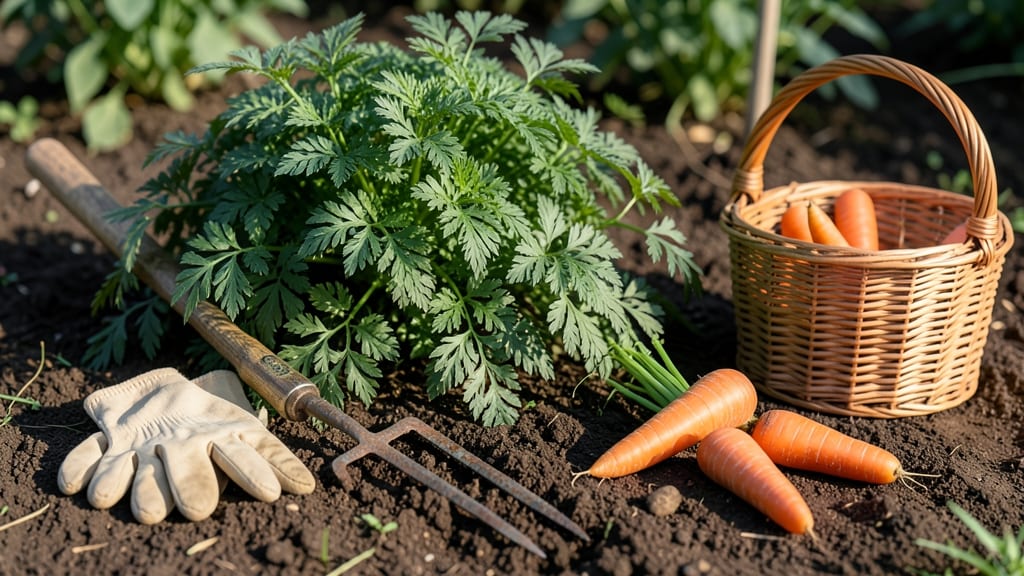
Harvesting carrots from your garden at the right time means the difference between sweet, crisp roots and tough, bitter disappointment.
Picking too early leaves you with undersized snacks, while waiting too long turns your 🥕 harvest into woody sticks. The secret? Watching for five key signs—leaf size, root diameter, soil resistance, and even color shifts—that tell you exactly when to pull.
Spring-planted varieties in zone 6a typically reach harvest in 60-80 days, but fall crops can stretch into October. Below, I break down the visual cues, soil conditions, and seasonal adjustments that guarantee perfect timing—no guesswork required.
You’ll learn how to check readiness without damaging roots, when to leave some in the ground for storage, and the one mistake that ruins flavor faster than anything else.
5 Visual and physical signs your carrots are ready to harvest
There’s nothing worse than pulling a carrot from the garden only to find it’s still tiny and tough—or worse, split and inedible. Knowing when to harvest carrots depends on both visual cues and physical resistance from the soil.
The good news? Carrots give you clear signals when they’re ready, whether you’re growing baby carrots or full-sized roots. Let’s break down the five foolproof signs to watch for before you grab your gardening gloves.
First, pay attention to the leaf color and growth pattern of your carrot tops. Healthy carrot greens should be vibrant and lush, not yellowing or wilting. The leaves act like a nutrient indicator, telling you whether the root below is thriving.
If the tops look sparse or leggy, it might mean your carrots need more sunlight or nutrients—but if they’re thriving, that’s your first green light to check the roots.
🌱 5 Signs Your Carrots Are Ready for Harvest
- 1. Leaf Height: Tops reach 4-6 inches tall with lush green foliage.
- 2. Root Size: Diameter matches variety expectations (1-3 inches for standard types).
- 3. Soil Resistance: Roots pull easily with gentle tug (no forcing!).
- 4. Skin Texture: Smooth, vibrant skin (orange, purple, or yellow) with no cracks.
- 5. Flavor Test: Sniff the soil near roots—earthy aroma means maturity.
Pro Tip: For baby carrots, harvest when roots are 1-2 inches long (around 40-50 days).
Let’s start with the most obvious clue: root size. Most carrot varieties are ready to harvest when they reach 1-3 inches in diameter, depending on the type. For example, Danvers or Nantes varieties typically mature at about 2 inches, while Chantenay types can grow slightly larger.
If you’re growing heirloom or long varieties, aim for 6-12 inches in length. Use a ruler or measuring tape to check discreetly—digging up every carrot to measure would defeat the purpose!
Next, test the soil resistance when pulling. A ready-to-harvest carrot should come out of the ground with minimal effort. Gently grasp the leafy tops and give a firm but gentle tug. If the carrot slips free easily, it’s time to harvest.
If it feels stuck or resists, it’s not ready yet—leave it in the ground for another 1-2 weeks. Forcing a carrot out too early can damage the root, while waiting too long risks woody texture or splitting.
Don’t overlook the skin texture and color of the carrot. At the perfect harvest time, the skin should be smooth and vibrant, whether it’s the classic orange, deep purple, or golden yellow of heirloom types.
If the skin looks dull, cracked, or rough, the carrot may have been in the ground too long. Cracks often happen when carrots dry out or when the soil is too hard—both signs to adjust your watering routine or soil prep for next season.
For those growing baby carrots, the rules are slightly different. These tiny treasures are ready to harvest when they reach 1-2 inches in length, usually around 40-50 days after sowing. Baby carrots should have a sweet, tender texture and a bright color.
Their tops will be smaller and bushier compared to mature varieties. The key here is consistent harvesting—pull a few every 1-2 weeks to encourage more production from the same patch.
Finally, trust your sense of smell. Before pulling, sniff the soil near the carrot’s base. A rich, earthy aroma often signals maturity, while a musty or sour smell can indicate overripeness.
This trick works best in loose, well-draining soil, so if your garden bed is compacted, you might need to rely more on the visual and physical cues mentioned earlier.
Remember, carrots left in the ground too long can become woody, bitter, or split, ruining their sweet flavor. But if you harvest at the right time, you’ll enjoy crisp, flavorful roots that store well and taste like summer in every bite.
Now grab your garden fork and start checking those beds—your perfect carrots are waiting!
🥕
How soil conditions affect carrot harvest timing (and when to adjust)
Soil conditions play a critical role in determining when your carrots are ready to harvest. Dry soil can speed up maturity, while wet soil may delay it—both affecting flavor and texture. Understanding these factors helps you adjust your harvest timing for the best results.
Temperature and moisture levels also influence how quickly carrots grow. Cooler soil (below 70°F) slows root development, while warmer soil (75-80°F) encourages faster growth. Pest pressure, like carrot rust flies, can force early harvesting to avoid damage.
Here’s how different soil conditions shift your harvest window:
| Soil Condition | Harvest Window Shift | Adjustment Needed |
|---|---|---|
| Dry Soil | Earlier by 5-7 days | Harvest sooner; risk of woody roots |
| Wet Soil | Delayed by 7-10 days | Wait for firmer soil; risk of rot |
| Cool Soil (<70°F) | Delayed by 10-14 days | Extend growing season; monitor pests |
| Warm Soil (75-80°F) | Faster by 3-5 days | Harvest early to avoid bolting |
| High Pest Pressure | Force early harvest | Use row covers or adjust planting |
If your soil is too dry, carrots may mature faster but become woody. To fix this, water deeply 2-3 days before harvesting to soften the soil and improve texture. For wet soil, wait until the top 2 inches dry out to prevent rot.
Temperature extremes also demand adjustments. In hot climates, harvest baby carrots early (at 50 days) to avoid heat stress. In cooler regions, extend the season by planting successive crops every 2 weeks for staggered harvests.
Always check for ease of removal—a ready carrot should pull with gentle pressure. Ignoring soil conditions can lead to misshapen roots or poor flavor, so stay attentive to these clues.