
How To
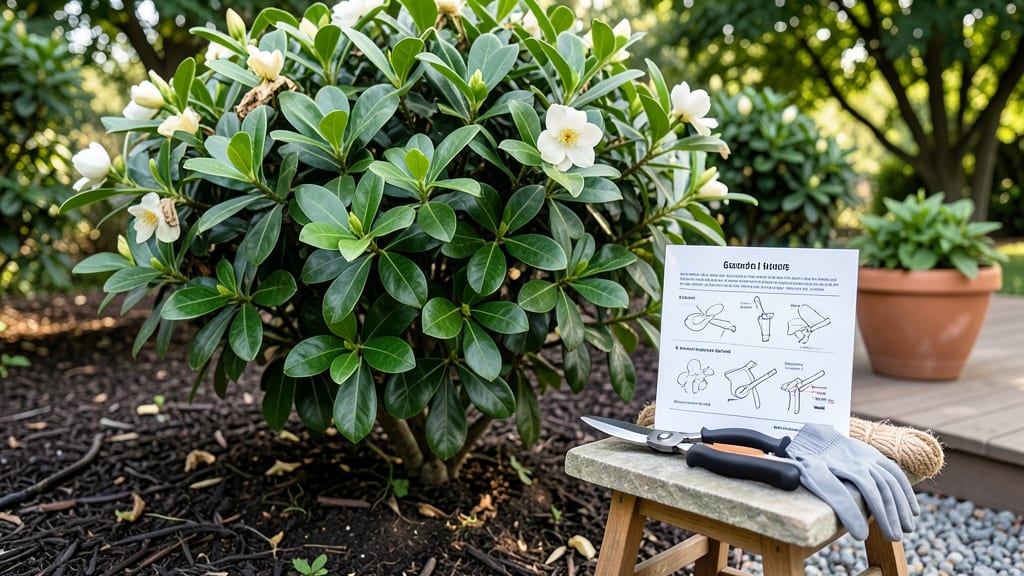
To cut back gardenia bushes at the right time means late winter — just as the first buds swell but before any new growth appears.
Picture this: You’ve spent months admiring your fragrant 🌸 gardenia, only to watch it struggle after a hasty trim. The key? Waiting until dormancy ends but before spring’s rush—usually February to early March in USDA Zone 6—gives your plant the best chance to rebound with vibrant blooms.
Why does timing matter so much? Pruning too early stresses the plant, while waiting too long risks missing the window for optimal spring growth. Below, I’ll walk you through the exact cues to watch for, the tools you’ll need, and step-by-step instructions to keep your gardenia thriving.
From identifying the perfect moment to avoid common mistakes, this guide ensures your gardenia bush stays healthy, lush, and ready to perfume your garden all season long.
Optimal late winter pruning timeline for gardenia bushes
Pruning your gardenia bush at the right time in late winter sets the stage for abundant spring blooms. Unlike many shrubs, gardenias thrive when pruned just before new growth begins—but timing is everything.
Miss the window, and you risk stunted blooms or even plant stress. The key is understanding your local climate and watching for dormancy signals like bare branches and bud swelling.
In USDA Zone 7-10 (mild winters), late winter typically means February to early March. For Zone 6 or colder, wait until late March or even April when frost risk has passed.
Gardenias are sensitive to cold, so pruning too early in freezing regions can damage tender new growth. Always check your last frost date and plan to prune 2-3 weeks afterward.
Here’s the critical difference: Late winter pruning (just before buds swell) encourages stronger spring growth, while early spring pruning (after buds appear) can delay blooming. The goal is to shape your bush while it’s still dormant but ready to wake up.
Think of it like giving your gardenia a fresh start before the growing season kicks in.
🌱
Your gardenia’s dormancy is the best indicator of when to prune. Look for bare branches with no leaves and tight buds that haven’t yet swollen. If you see green tips or new leaves, you’ve waited too long—pruning then can shock the plant and reduce blooms.
For container gardenias, check the roots: if they’re growing at the pot’s edges, it’s time to prune and repot if needed.
In southern climates, prune in January to avoid summer heat stress. In northern regions, wait until after the last frost (usually late March to April). If you’re unsure, err on the side of waiting.
A gardenia pruned too early won’t bloom as heavily, but one pruned slightly late can still recover with proper care. Think of it like catching a wave—timing matters, but you can still ride it out.
Pro tip: Mark your calendar based on your local last frost date. For example, if your last frost is April 15, aim to prune by April 1. This gives your gardenia enough time to heal before summer’s heat arrives.
In Zone 9 or warmer, you might even prune in December if your winters are mild. Always prioritize plant health over strict deadlines.
After pruning, focus on post-care to ensure your gardenia rebounds. Apply a balanced fertilizer (like 10-10-10) in early spring to support new growth. Water deeply but avoid soggy soil, and mulch around the base to retain moisture.
Within 6-8 weeks, you should see new shoots and, eventually, those coveted fragrant blooms.
🌿
One common mistake is pruning gardenias in fall or early winter. This can leave the plant vulnerable to cold damage and reduces its ability to store energy for spring. Always wait until the dormant season is nearly over—just before the plant “wakes up.”
If you’re in doubt, observe your gardenia’s natural cycle over a few years. Note when buds swell and when leaves first appear—this is your personalized pruning window.
For overgrown gardenias, you can prune back by up to one-third in late winter, but avoid cutting into old wood (gray or woody stems). Focus on shaping the bush and removing dead or crossing branches.
Use clean, sharp pruners to make cuts at a 45-degree angle just above a leaf node. This encourages healthier regrowth and more blooms next season.
Step-by-step guide to pruning gardenia bushes for maximum blooms
Pruning your gardenia bush correctly is the secret to abundant, fragrant blooms every spring. Unlike many shrubs, gardenias respond best to light pruning at the right time—just after their dormant season but before new growth begins.
The goal? Shape the plant, remove dead wood, and encourage healthy flower buds without overstressing it. With the right technique, you’ll reward yourself with glossy leaves and clusters of creamy-white blooms that perfume your garden.
Before you grab your shears, gather the essentials: sterilized pruning shears, sharp bypass pruners for larger branches, and rubbing alcohol or bleach to clean tools between cuts. Gardenias are sensitive to disease, so keeping your tools clean prevents bacterial infections.
I also recommend wearing gloves—gardenia leaves can irritate skin, and the thorns aren’t joking! Once you’re prepped, the real work begins: knowing where and how to cut for maximum impact.
When to Cut Back Gardenia Bush
- Step 1: Wait until late winter (February-March in USDA Zone 6), after the last frost date but before bud break. Look for swollen buds on stems—they signal new growth is about to start.
- Step 2: In warmer climates (Zones 8-10), prune in early spring (January-February), as gardenias may start growing earlier. The key is to prune just before the first flush of growth appears.
- Step 3: Avoid pruning in fall or winter—this stresses the plant and can reduce next year’s blooms. Never prune after June, as it removes potential flower buds for the following season.
- Step 4: If your gardenia overgrew last season, do a light pruning in late spring (May) to shape it, but focus on removing only dead or crossing branches. Heavy pruning at this stage can stunt flowering.
Now that you’ve timed it right, let’s dive into the pruning techniques that’ll transform your gardenia. Start with thinning cuts—these remove entire branches back to the main stem or a side branch.
Thin out crowded or weak growth to improve air circulation, which reduces fungal diseases like powdery mildew. Aim to open up the center of the bush so sunlight reaches all parts, encouraging even blooming.
Next, use heading cuts to shorten overgrown branches by cutting just above a leaf node or bud. Never cut into old, woody growth—gardenia wood doesn’t regenerate well, and you’ll sacrifice next year’s flowers.
Instead, focus on new wood (last year’s growth) for the best results. Pro tip: Make cuts at a 45-degree angle about ¼ inch above the bud to prevent water from pooling and rotting the stem.
After pruning, your gardenia will need some TLC to bounce back strong. Apply a 2-3 inch layer of mulch around the base (but keep it away from the trunk) to retain moisture and regulate soil temperature.
Water deeply but infrequently—gardenia roots need to dry slightly between waterings to avoid rot. Feed with an acidic, bloom-boosting fertilizer (like 8-3-9) in early spring and mid-summer to support new growth and flower production.
Finally, resist the urge to over-prune! Gardenias are light pruners—never remove more than 1/3 of the plant’s foliage in a single session. If you’ve accidentally pruned too aggressively, don’t panic.
Your gardenia will recover with proper care, but expect fewer blooms that season. With patience and the right timing, your pruned gardenia will reward you with show-stopping blooms next spring. 🌸