
Pruning
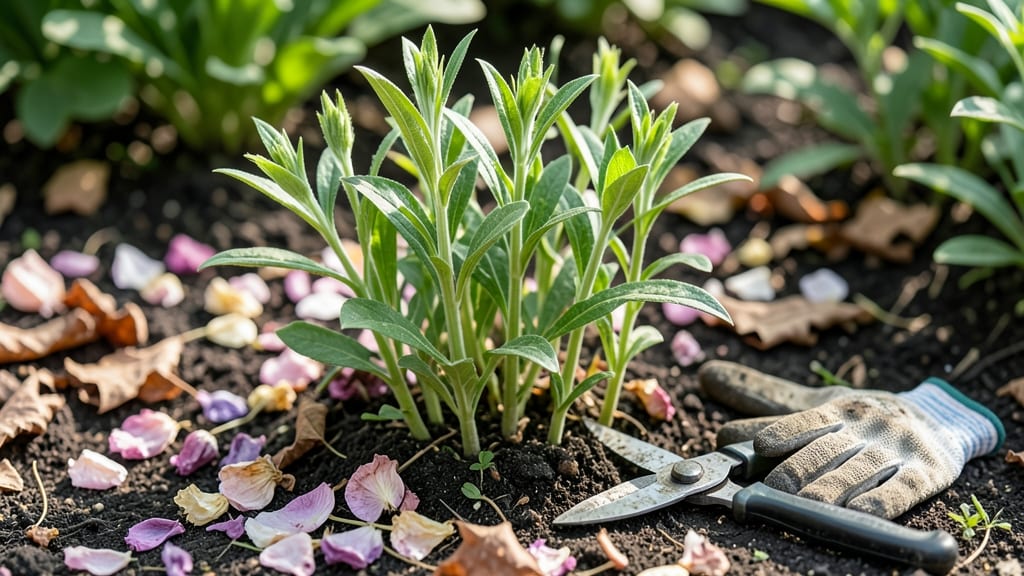
Cutting back garden phlox at the right time ensures vibrant blooms next season and keeps your plants healthy 🌸.
If your garden phlox isn’t blooming as beautifully as last year, the timing of your cuts might be the issue. Pruning at the wrong moment can actually weaken the plant and reduce next year’s flowers.
For most gardeners in USDA Zone 6a, the best time to cut back garden phlox is late summer—specifically, between late August and mid-September. This timing allows the plant to recover before winter while preventing disease and encouraging strong regrowth.
In this guide, I’ll walk you through the exact steps, tools, and regional adjustments to prune your phlox for maximum impact—so you can enjoy a stunning display of color year after year.
Best time to cut back garden phlox for healthy regrowth
Garden phlox (Phlox paniculata) is a showstopper in late summer gardens, but its long-term health depends on timely pruning. Cutting back too early removes next year’s flower buds, while waiting too long invites disease and pests.
The ideal window is late summer to early fall, but the exact timing depends on your USDA hardiness zone and local climate.
Most gardeners in USDA zones 5-8 should prune between late August and mid-September. This timing allows the plant to recover before winter while preventing fungal issues from lingering foliage. In cooler northern zones (3-4), delay until after the first frost to avoid stressing the plant.
Here’s why this timing works: Cutting back in late summer removes spent blooms and reduces disease pressure from powdery mildew, a common phlox enemy. It also encourages new basal growth that will develop next year’s flower buds.
Skipping this step often leads to weaker blooms or no flowers at all the following season.
For southern gardeners (zones 9-10), prune in early September to avoid the heat of late summer. In these warmer climates, phlox may still be actively growing, so a slight delay helps the plant transition smoothly into dormancy.
After pruning, focus on cleanup and mulching. Remove all cuttings from the garden to prevent disease spread, then apply a 2-3 inch layer of organic mulch around the base. This protects roots during winter and suppresses weeds that compete with new growth.
One common mistake is cutting back phlox in early fall (October-November). While this won’t kill the plant, it removes too much foliage, leaving it vulnerable to winter desiccation. Always aim to finish pruning at least 4-6 weeks before first frost to allow recovery.
For container-grown phlox, follow the same timing but adjust slightly for heat exposure. Containers dry out faster, so water deeply after pruning to support root establishment. Move pots to a shaded location for 1-2 weeks post-pruning to reduce stress.
Pro tip: Mark your calendar for next year’s pruning by noting when you cut back this fall. Consistency in timing leads to healthier plants and bigger blooms year after year. Your garden phlox will thank you with vibrant, disease-free flowers in late summer!
Step-by-step guide: how to prune phlox without harming the plant
Pruning garden phlox correctly ensures vibrant blooms next season while keeping the plant healthy. The key is cutting at the right height and time, using the proper tools and technique. I’ll walk you through each step so you avoid common mistakes that can stress—or even kill—your phlox.
Start by gathering your pruning tools. You’ll need a pair of sharp bypass pruners or clean shears for clean cuts. Avoid dull tools, as they can tear stems and invite disease.
Wear gloves to protect your hands from thorns on some varieties like tall garden phlox. Disinfect your tools with rubbing alcohol before and after pruning to prevent spreading pathogens.
Step-by-Step Pruning Process
- Step 1: Wait until late summer to early fall (late August to mid-September). This timing allows the plant to recover before winter while removing spent blooms.
- Step 2: Cut back the entire stem to 3-4 inches above ground level. This height ensures enough foliage remains to photosynthesize and store energy for next year.
- Step 3: Make cuts at a 45-degree angle just above a leaf node or bud. This encourages new growth from the base.
- Step 4: Remove only the dead or diseased foliage if you spot it during pruning. Leave healthy leaves to support photosynthesis until the plant enters dormancy.
- Step 5: Collect the cuttings and compost them if they’re disease-free. If you notice powdery mildew or black spot, dispose of them in the trash to prevent spreading.
- Step 6: Apply a 2-inch layer of mulch around the base to insulate roots and retain moisture. Use organic mulch like shredded bark or straw.
- Step 7: Water the base of the plant deeply after pruning to help it recover. Avoid wetting the foliage to reduce fungal risks.
Avoid cutting too late in the season, as this can expose phlox to frost damage. Never remove more than one-third of the foliage, or you’ll weaken the plant’s ability to store energy for spring.
If you’re in a warmer climate (Zone 8+), you can prune slightly later, but always aim to finish before first frost.
After pruning, your garden phlox will reward you with healthier stems and more abundant blooms next season. Just remember: timing and technique are everything! With these steps, your phlox will thrive for years to come.