
Planting
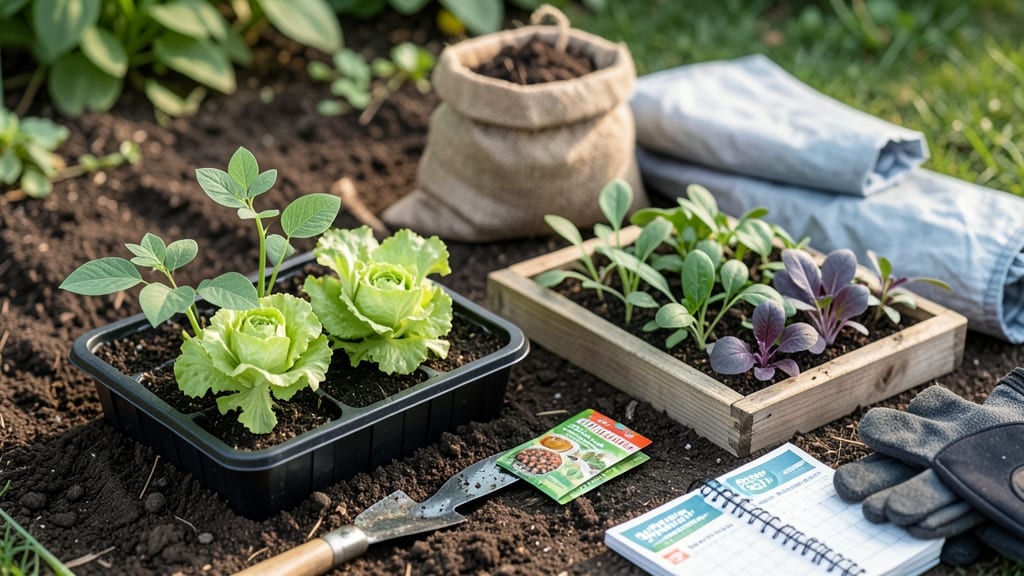
Planting your garden in Michigan means timing it right—between the last frost in mid-April and the heat of summer, when every extra day counts.
Michigan’s unpredictable climate can turn gardening into a guessing game—plant too early and risk frost damage, too late and miss the growing season. But with the right timing, you can maximize yields and enjoy a thriving garden from spring to fall.
Cool-season crops like spinach and peas thrive when planted as soon as the soil warms, while tomatoes and peppers need to wait until after Memorial Day to avoid late frosts.
The key is knowing your zone—whether you’re in Detroit’s Zone 6 or Traverse City’s cooler Zone 5—and adjusting your schedule accordingly.
In this guide, I’ll break down the best planting windows for your region, share tricks for extending the season, and help you avoid common mistakes that waste precious growing time.
Michigan planting zones: when to Start seeds indoors vs. outdoors
Michigan spans USDA Hardiness Zones 4-6, which means your planting schedule depends heavily on location—whether you're in Detroit (Zone 6a), Traverse City (Zone 5b), or the Upper Peninsula (Zone 4a).
The average last frost date ranges from May 10-20 in southern Michigan to May 25-June 1 in northern regions. These dates are your garden's lifeline, dictating when to move seedlings outdoors or sow directly into the soil.
For cool-season crops like kale, peas, and spinach, you can start seeds indoors 6-8 weeks before your last frost date or direct-sow as early as March-April under row covers.
Meanwhile, warm-season crops such as tomatoes, peppers, and cucumbers need to wait until after the last frost and should begin indoors 8-12 weeks prior to ensure they mature before fall frost hits.
Microclimates matter—urban areas like Detroit often warm up faster than rural spots, while lakeside regions (like Traverse City) may experience delayed frost. Adjust your timeline by 1-2 weeks earlier for southern zones and 1-2 weeks later for northern areas. Always check soil temperature—cool-season crops thrive in 40-50°F soil, while warm-season crops need 60°F+.
| Zone | Last Frost | Indoor Start (Cool-Season) | Indoor Start (Warm-Season) | Outdoor Planting |
|---|---|---|---|---|
| Zone 4a (UP) | June 1 | March 15-April 1 | April 15-May 1 | May 20-June 5 |
| Zone 5b (Traverse City) | May 25 | March 1-April 15 | March 20-April 30 | May 1-May 15 |
| Zone 6a (Detroit) | May 10 | February 28-March 15 | March 1-April 15 | April 20-May 5 |
Use this table as your planting roadmap, but remember: weather is unpredictable. Always have row covers or a mini greenhouse ready to protect seedlings if late frosts strike. For cool-season crops, you can even make succession plantings every 2-3 weeks until early July to extend harvests.
When starting warm-season crops indoors, use grow lights to provide 14-16 hours of light daily—Michigan’s short days in early spring can stunt seedlings. Transplant outdoors only after nighttime temperatures stay above 50°F consistently.
Harden off seedlings by placing them outdoors for 1-2 hours daily starting 1 week before transplanting.
Northern Michigan gardeners should prioritize fast-maturing varieties like bush beans (50 days) or radishes (25 days) to ensure harvests before the first frost, typically September 20-October 15.
In southern zones, you can push the envelope with late-season tomatoes or peppers by using black plastic mulch to warm the soil and extend the season.
Don’t forget about perennials and flowers—many can be planted in early spring (March-April) or fall (September-October) for established root growth before winter. Bulbs like tulips should go in the ground by November in Zone 6, while Zone 4 areas should plant by October 15 to avoid frost heave.
For container gardening, adjust timelines slightly—pots warm up faster, so you can plant 1-2 weeks earlier than in-ground gardens. Just ensure containers have drainage holes and use lightweight potting mix to prevent waterlogging, which is especially critical in Michigan’s wet springs.
Track your local frost dates using Michigan State University Extension’s frost calendar or a weather app with frost alerts.
I’ve learned the hard way that one late frost can wipe out weeks of work—always err on the side of caution and plant a bit late rather than risking frost damage. With these timelines, you’ll turn Michigan’s short growing season into a productive, bountiful garden.
Heat-tolerant crops that thrive in Michigan’s short growing season
Michigan’s short growing season demands smart choices—especially when it comes to heat-tolerant crops that can handle late starts and still produce bountiful harvests. The key lies in selecting fast-maturing varieties and understanding their ideal transplant dates to avoid early frost.
With just 90-120 frost-free days in most of the state, timing is everything.
For gardeners in USDA Zones 4-6, the window for warm-season crops is narrow. But by focusing on quick-growing vegetables and herbs that handle heat, you can extend your harvest well into fall.
Let’s explore the top 10 crops that thrive in Michigan’s challenging climate and how to maximize their potential with companion planting.
- Bush Beans – Plant May 15-June 15; 50-60 days to harvest. Pair with corn and cucumbers.
- Zucchini – Transplant May 1-May 15; 45-55 days. Avoid planting near potatoes.
- Radishes – Direct sow April 15-June 1; 25-30 days. Great with lettuce and carrots.
- Basil – Start indoors March-April; transplant after last frost. Thrives near tomatoes.
- Cilantro – Sow April-May and August-September for fall harvest. Avoid full sun in summer.
- Peppers – Transplant May 15-June 1; 60-90 days. Plant with onions to deter pests.
- Cucumbers – Direct sow May 15-June 15; 50-70 days. Trellis for space-saving.
- Swiss Chard – Sow April-May and July-August; 50-60 days. Companion with beans.
- Okra – Plant June 1-July 1; 50-65 days. Loves heat and drought tolerance.
- Eggplant – Transplant May 15-June 1; 70-85 days. Pair with basil for pest control.
One of my favorite tricks for extending the season is using companion planting. For example, bush beans fix nitrogen in the soil, benefiting heavy feeders like zucchini and peppers. Meanwhile, radishes can be sown between rows of slower-growing crops to mark space and deter weeds.
Don’t overlook herbs like basil, which not only repel pests but also thrive in Michigan’s heat when given well-draining soil and morning sunlight. I’ve found that planting basil near tomatoes improves flavor and deters whiteflies—a common summer pest in Michigan gardens.
For late-season planting, focus on crops with short maturity times, such as radishes (ready in 25 days) or bush beans (50-60 days). These can be sown as late as July 1 in southern Michigan and still produce before frost.
Use row covers or cold frames to push harvests even later if needed.
Remember, Michigan’s last frost dates vary by region—typically May 10-20 in the south and June 1-15 in the north. Always check your local frost-free date and adjust planting accordingly. With these heat-tolerant crops and smart timing, you’ll turn Michigan’s short season into a gardening goldmine!