
Planting
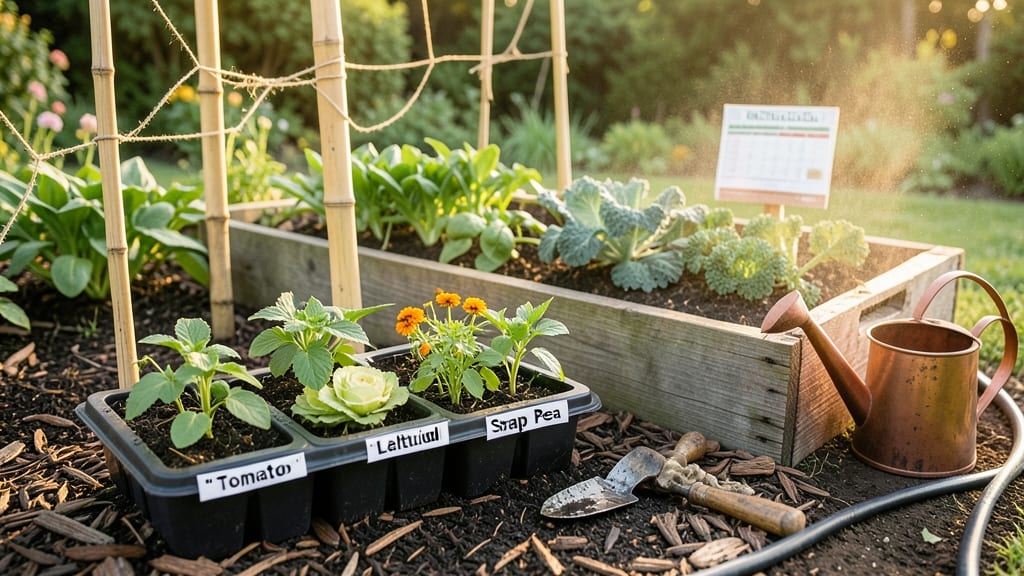
You can plant your garden in Michigan between late April and early June, depending on your USDA zone and what you’re growing 🌱 — but timing is the difference between a thriving harvest and a sad, frost-nipped disappointment.
Michigan gardeners know timing is everything—plant too early and risk frost damage, too late and miss peak harvests. But with the state’s diverse USDA zones (4a-6b), figuring out the perfect planting window can feel overwhelming.
From Detroit’s shorter growing season to Traverse City’s cooler springs, each region demands its own strategy. This guide breaks down the best planting windows for cool-season crops (like peas and spinach) versus warm-season favorites (tomatoes and peppers), plus how to extend your season with simple tricks.
Ready to get started? I’ll walk you through the exact dates for your zone, soil prep tips, and which plants to prioritize for a bumper crop—no guesswork, just results.
Michigan planting zones explained: when to start seeds indoors vs. outdoors
Michigan spans USDA zones 4a through 6b, meaning your planting timeline can vary by 3-4 weeks depending on whether you're in Detroit (6a) or the Upper Peninsula (4b). Understanding these zones—and your last average frost date—is the key to avoiding frost damage while maximizing your harvest.
For most of Michigan, that means starting seeds indoors 4-8 weeks before your last frost, with outdoor planting following 2-4 weeks later.
Let’s break it down by region. Southern Michigan (zones 5b-6b) typically sees its last frost between May 1-15, while northern areas (zones 4a-5a) can wait until May 15-June 1.
This variation means tomatoes might go in the ground by May 10 in Detroit but not until June 1 in Marquette. The solution? Plan your seed-starting schedule based on your zone and the days to maturity of your chosen plants.
Pro Tip: Use a frost-free date calculator (like the Old Farmer’s Almanac) to pinpoint your exact window. For example, Traverse City’s last frost is around May 20, while Grand Rapids’ is May 5. These dates dictate when to move seedlings outdoors or direct-sow cool-season crops like lettuce and spinach.
Here’s a zone-specific planting timeline for Michigan’s most popular vegetables, including when to start indoors and transplant outdoors:
For zone 4a gardeners (like those in the Upper Peninsula), the shorter growing season means prioritizing fast-maturing varieties (e.g., bush beans or radishes) and starting seeds indoors as early as February. In contrast, zone 6a (southern Michigan) allows for a longer window—even late-summer crops like
Best vegetables for Michigan’s short growing season: fast-growing vs. long-season crops
Michigan’s cool summers and short frost-free windows demand smart crop selection. The key is balancing fast-maturing varieties (30-60 days) with heat-loving crops that thrive in extended seasons.
Whether you're in Detroit’s Zone 6b or the Upper Peninsula’s Zone 4a, choosing the right plants maximizes your harvest before fall frost. Let’s break down the best options for your garden.
For quick harvests, focus on cool-season crops like leafy greens and radishes that tolerate light frosts. These varieties mature in just 30-50 days, giving you fresh produce even in Michigan’s brief summer.
Meanwhile, long-season crops like tomatoes and peppers need 90+ days of warmth, so plan to start them indoors and use season-extending tools like row covers.
🌱 Top 5 Fast-Growing Vegetables (30-60 Days)
- 1. Radishes - 'Cherry Belle' (30 days). Plant every 2 weeks for continuous harvests. Tolerates light frost.
- 2. Lettuce - 'Black Seeded Simpson' (45 days). Shade cloth helps in hot spells. Succession plant every 3 weeks.
- 3. Bush Beans - 'Blue Lake' (50 days). Needs warm soil (60°F+). Plant after last frost.
- 4. Spinach - 'Bloomsdale Long Standing' (40 days). Thrives in cool weather; harvest before bolting.
- 5. Turnips - 'Purple Top White Globe' (50 days). Edible greens and roots. Plant early spring or late summer.
🌿 Top 5 Long-Season Vegetables (90+ Days)
- 1. Tomatoes - 'Early Girl' (65 days). Start indoors 6-8 weeks before last frost. Use cages or stakes.
- 2. Peppers - 'Bell Boy' (70 days). Needs 70°F+ soil. Transplant after frost danger passes.
- 3. Sweet Corn - 'Silver Queen' (80 days). Plant in blocks, not rows, for pollination.
- 4. Cucumbers - 'Straight Eight' (60 days). Trellis to save space. Harvest frequently to encourage production.
- 5. Eggplant - 'Black Beauty' (85 days). Warmth-loving; start indoors early or use row covers.
Succession planting is your secret weapon in Michigan. For fast crops, sow seeds every 2-3 weeks to ensure a steady supply. For example, plant radishes every 10 days in spring for a summer-long harvest.
Even long-season crops benefit from staggered planting—try two tomato varieties with different maturity dates to extend your harvest window.
Don’t overlook cool-season crops for late summer planting. Kale, carrots, and beets can be sown in August for fall harvests. These varieties actually sweeten after frost, making them perfect for Michigan’s unpredictable autumn. Just be sure to cover young plants if an early frost threatens.
Pro tip: Use Michigan State University’s frost date map to pinpoint your last frost date. In southern Michigan, aim for April 15-May 1 for outdoor planting, while northern regions may wait until May 15-June 1. Adjust your seed-starting schedule accordingly—tomatoes and peppers need a head start!
With the right mix of fast and slow growers, you can enjoy fresh vegetables from early spring through late fall. Start with these top picks, and don’t forget to save seeds from your best performers for next year’s garden. Happy planting! 🌱