
Planting
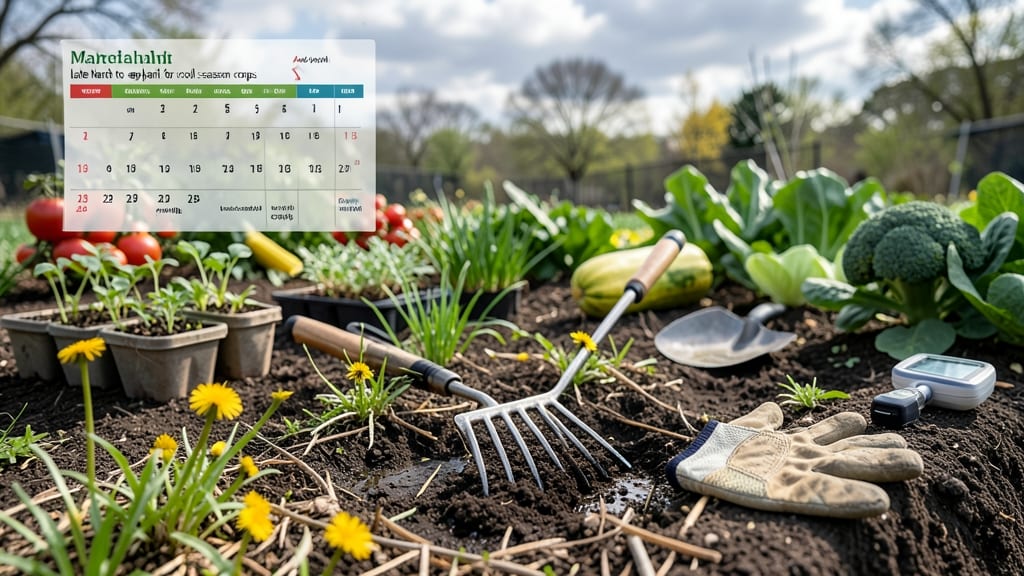
Should you plant your Maryland garden in early spring or wait until the last frost? Timing is everything for a thriving garden, especially in USDA Zones 6b-7a where frost can still linger into April.
Maryland’s unpredictable spring weather can turn a gardener’s excitement into frustration—planting too early risks frost damage, while waiting too long shortens your growing season. That’s why knowing the exact window for cool-season crops like broccoli or warm-season favorites like tomatoes makes all the difference.
In this guide, I’ll break down the ideal planting months for Maryland’s two zones, including when to start seeds indoors and when to direct-sow for peak yields. Whether you’re in Baltimore’s heat island or the cooler Piedmont, you’ll find zone-specific tips to avoid common mistakes.
You’ll also discover how to extend your season with row covers and succession planting, plus how to adjust for organic vs. conventional methods. Let’s get your garden off to the right start!
Maryland planting calendar by USDA Zone (6b vs 7a) for maximum yields
Maryland’s USDA Zones 6b and 7a create subtle but critical differences in your planting timeline. Zone 6b (average last frost: April 15) has 180 frost-free days, while Zone 7a (average last frost: April 1) stretches to 200 frost-free days.
These variations let Zone 7a gardeners squeeze in extra heat-loving crops like peppers and eggplants that Zone 6b growers must wait for.
To maximize yields, align your planting with soil temperatures and moon phases. Cool-season crops like spinach and kale thrive when soil stays below 60°F, while warm-season tomatoes and cucumbers need 65°F+ to germinate. Maryland’s first frost arrives November 1-15, so plan succession plantings accordingly.
Here’s how to navigate Maryland’s planting windows with precision:
| Month | Zone 6b Planting Window | Zone 7a Planting Window | Best Crops | Soil Temp |
|---|---|---|---|---|
| February | Start indoor seeds (tomatoes, peppers) | Start indoor seeds (tomatoes, peppers, eggplants) | Cool-season greens, onions | 40-50°F |
| March | Direct sow peas, spinach, lettuce | Direct sow peas, spinach, lettuce, radishes | Carrots, broccoli, cabbage | 45-55°F |
| April | Transplant cool-season crops (kale, Brussels sprouts) | Transplant cool-season crops + warm-season starts (tomatoes, peppers) | Potatoes, beets, lettuce | 50-60°F |
| May | Direct sow beans, corn, cucumbers | Direct sow beans, corn, cucumbers, melons | Peppers, eggplants, squash | 60-70°F |
| June | Succession plant beans, lettuce | Succession plant beans, lettuce, basil | Okra, sweet potatoes | 70-80°F |
| July | Plant fall greens (spinach, kale) | Plant fall greens + broccoli, cabbage | Pumpkins, winter squash | 65-75°F |
| August | Direct sow radishes, turnips | Direct sow radishes, turnips, carrots | Garlic, onions | 60-70°F |
Zone 7a gardeners can push the envelope with late-season plantings. For example, tomatoes and peppers can go in as late as June 15 in Zone 7a, while Zone 6b growers should plant by May 30 to avoid early fall frosts.
Use row covers to extend your Zone 6b season by 2-3 weeks for heat-sensitive crops.
For cool-season crops, aim to harvest before first hard frost. In Zone 6b, broccoli and cabbage should be planted by July 15 for a fall harvest, while Zone 7a allows plantings until August 1. Always check 7-day frost forecasts before committing to late plantings.
Maryland’s humidity and summer heat demand extra attention. Mulch heavily to retain moisture for tomatoes and peppers, and avoid overhead watering during peak sun hours to prevent fungal diseases.
In Zone 7a, eggplants and okra thrive with consistent moisture, while Zone 6b may need shade cloth during heatwaves.
How Maryland’s microclimates affect your planting timeline (and how to adapt)
Maryland’s diverse geography creates microclimates that can shift planting windows by weeks. While USDA Zone 7a generally enjoys longer growing seasons, Baltimore’s urban heat islands can bake soil earlier than rural Frederick County. Meanwhile, Western Maryland’s Appalachian valleys often experience delayed springs due to cooler air settling in low areas.
These variations mean a tomato planted in April in Garrett County might freeze, while the same variety thrives in Annapolis by mid-March. Understanding your specific microclimate helps you avoid common mistakes like bolting lettuce or stunted squash from improper timing.
⚠️ callout-warning
⚠️ Beware of False Springs!
Maryland’s unpredictable frost dates can trap gardeners. A warm February might trick you into planting peas, only for a late frost to kill seedlings. Wait until after your last average frost date—typically mid-April for Zone 7a and late April for Zone 6b—but verify with local data.
Use the National Weather Service’s frost probability maps or local CoCoRaHS stations for hyper-local accuracy. In Baltimore, urban areas warm up 3-5 days earlier than surrounding counties, so adjust accordingly.
To adapt, start by identifying your microclimate type. Urban gardeners in Baltimore or Columbia often experience earlier soil warming due to pavement and buildings trapping heat. Test your soil temperature with a soil thermometer—most vegetables need 50°F for cool crops and 60°F+ for warm-season plants.
Rural areas, especially in Western Maryland’s mountains, may need to wait until mid-May for warm-season crops like peppers or eggplants. Check elevation: every 1,000 feet gain delays spring by about 1 week.
For example, a garden at 2,000 feet in Garrett County might align more closely with Pennsylvania’s Zone 5 timing.
Leverage free tools like the Maryland Department of Agriculture’s frost risk maps or Plant Maps app, which factor in local weather patterns. For example, Baltimore’s Inner Harbor can be 5-7°F warmer than nearby parks, while Catoctin Mountain areas may need 2-3 weeks later for the same planting dates.
Pro tip: Plant heat-tolerant varieties like ‘Heatmaster’ tomatoes or ‘Malaga’ collard greens in urban heat islands, and opt for early-maturing varieties in cooler microclimates. Succession planting every 2 weeks helps hedge against microclimate surprises.