
Blooming
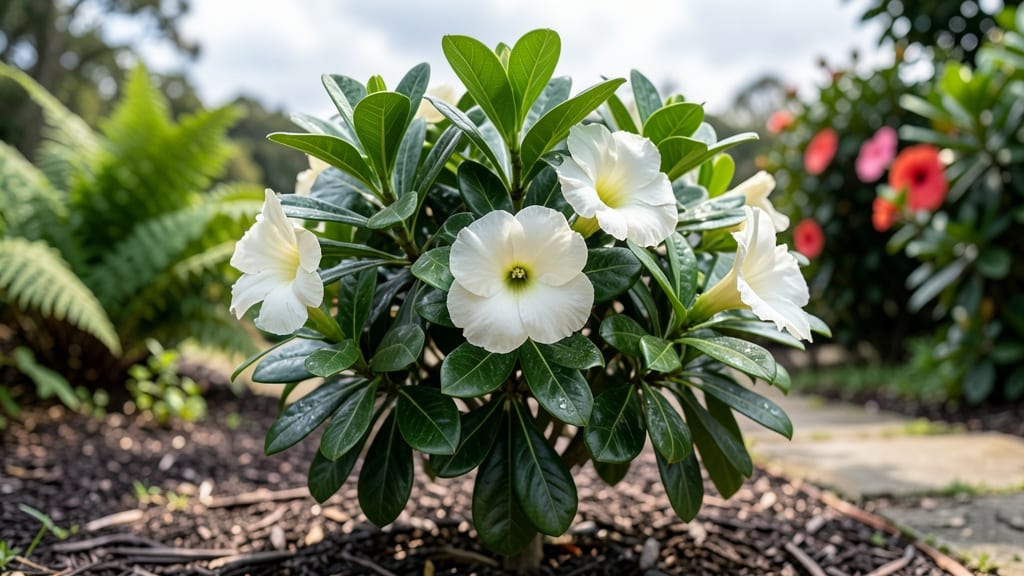
Gardenias flower between late spring and summer 🌸—but the exact timing depends on your variety, climate, and a few care tricks most gardeners miss.
Picture this: You’ve waited all year for that intoxicating gardenia scent to fill your garden, only to find your plant sitting there with buds that never open. Frustrating, right?
The truth is, gardenias in USDA Zone 6 often bloom later than their tropical cousins, and even the same variety can shift timing by 3-4 weeks depending on light and soil pH.
In this guide, I’ll break down the month-by-month blooming windows for popular gardenias, how your local climate (and even your yard’s microclimate) can delay or rush their flowers, and the 3 simple adjustments that’ll guarantee blooms when you want them.
You’ll learn which varieties are early bloomers, how to spot a gardenia ready to flower, and why your plant might be holding back—plus, how to fix it before next season.
Gardenia flowering seasons by variety: a month-by-month guide
Timing your gardenia blooms isn’t just about luck—it’s about knowing your variety and climate. G. jasminoides, the classic fragrant gardenia, typically blooms from late spring to early fall, but other varieties like G. radicans (climbing gardenia) may flower slightly later.
Understanding these patterns helps you plan for peak fragrance and stunning visuals in your garden.
Most gardenias thrive in USDA Zones 7–11, but even within those zones, blooming windows shift. For example, tropical varieties like G. augusta may start flowering as early as April in Zone 10, while hardier hybrids in Zone 7 might not bloom until June or July.
Let’s break down the exact months for each popular type.
🌸 Variety-Specific Blooming Windows
| Variety | Peak Blooming Months | Zone Range | Notes |
|---|---|---|---|
| G. jasminoides (Common Gardenia) | June–September | 7–11 | Early bloomers in warm zones; late bloomers in cooler zones. |
| G. radicans (Climbing Gardenia) | July–October | 9–11 | Needs trellis; blooms later in the season. |
| G. augusta (Tropical Gardenia) | April–July | 10–11 | Early bloomer; sensitive to cold. |
| G. fortuniana (Hybrid Gardenia) | May–August | 7–10 | Cold-hardy; blooms reliably in spring. |
| G. tabacea (Wild Gardenia) | August–October | 8–11 | Late-season bloomer; drought-tolerant. |
If you’re in Zone 7 or cooler, expect your gardenias to delay blooming until late spring or summer.
For example, a G. jasminoides in Zone 7 might not flower until July or August, while the same variety in Zone 10 could burst into bloom as early as May. The key is to match your variety to your climate and adjust care accordingly.
For early bloomers like G. augusta, start monitoring buds in March or April. These varieties thrive in warm climates and may even produce a second flush of blooms in fall if conditions are ideal.
In contrast, late-season varieties like G. radicans won’t show buds until June or July, making them perfect for extending your garden’s fragrance into autumn.
To encourage blooming, provide acidic soil (pH 5.0–6.0) and partial shade—especially in hot afternoons. Overwatering or excessive nitrogen can delay flowers, so focus on balanced fertilization (like a 10-10-10 NPK) during the spring growing season.
Prune lightly after flowering to promote bushier growth and more buds next year.
In temperate zones (Zones 5–6), consider growing gardenias in containers so you can move them to a protected spot during winter. This trick can push blooming earlier in spring by simulating a warmer microclimate. Even a frost-free patio can make a difference for cold-sensitive varieties like G. augusta.
Watch for bud formation as your first clue that blooming is near. Healthy buds will swell and turn creamy white before opening. If buds drop off without opening, it’s often a sign of stress from heat, drought, or poor soil conditions.
Adjust your care immediately—increase shade, water deeply, and check soil pH to revive your plant.
With the right variety and care, your garden can be a fragrant paradise from spring to fall. Whether you’re growing early bloomers for a May wedding bouquet or late-season varieties for autumn color, timing is everything. Start planning now—your garden’s scented spectacle
How climate Zones shift gardenia blooming times (and how to adapt)
Your USDA climate zone is the single biggest factor in determining when your gardenias will burst into bloom. In Zones 9-11, these tropical beauties often flower year-round, while gardeners in Zones 5-7 may see blooms delayed until late summer—or never without special care.
The key difference? Cold sensitivity in varieties like G. jasminoides versus the hardier Zone 7+ hybrids.
In Zone 9+, gardenias typically flower from spring through fall, with peak blooms during June-August. But move north to Zones 7-8, and you’ll likely see blooms pushed to July-September—if at all.
The first frost risk forces many temperate varieties into dormancy, halting bloom production until the following season.
⚠️ callout-warning ⚠️
Gardenias in Zones 5-7 often drop buds when temps dip below 25°F. To protect blooms:
- ✂️ Prune lightly in early spring to reduce frost damage
- 🪴 Use container growing for mobility (move indoors if needed)
- ☀️ Place near south-facing walls for microclimate warmth
For gardeners in Zones 5-6, the solution often lies in greenhouse growing or container culture. Cold-hardy hybrids like 'Kleim's Hardy' can tolerate Zone 7 winters but still benefit from winter protection.
In these zones, blooms may appear as early as June if planted in protected microclimates (e.g., near patios or under eaves).
If you’re in Zone 8, timing is critical. Start with acid-loving fertilizer in early spring to jumpstart growth, then provide consistent moisture to encourage bud formation.
In my Zone 8b garden, I’ve found that dwarf varieties like 'Radicans' bloom earlier (May-June) than standard shrubs, which wait until July-August.
To force blooms in cooler zones, try these tricks:
- 💧 Deep water in spring to wake dormant roots
- ☀️ Morning sun + afternoon shade for stress-free growth
- 🌱 Prune after flowering to redirect energy to next year’s buds
Remember: Soil pH matters just as much as climate. Gardenias thrive in acidic soil (pH 5.0-6.0). If your local soil is alkaline, amend with peat moss or sulfur to create the ideal conditions.
With the right adjustments, even Zone 5 gardeners can enjoy summer-long gardenia blooms—it just takes patience and strategy! 🌸