
Blooming
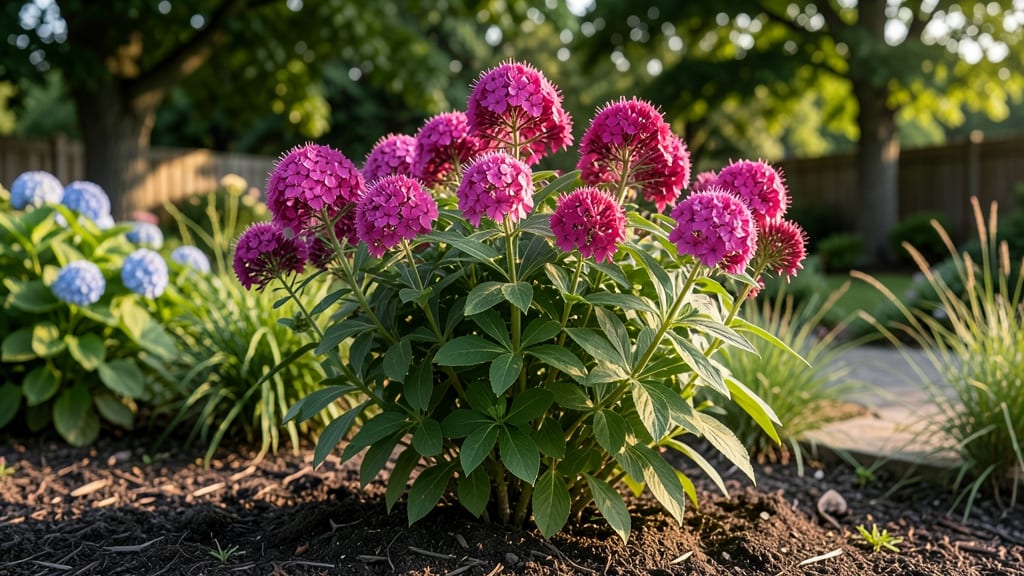
Garden phlox blooms typically from June through August, transforming your yard into a riot of color 🌸 — but the exact timing depends on the variety and where you live.
Picture this: you’ve waited all spring for those vibrant clusters to appear, only to realize you planted the wrong type for your zone. That’s why knowing the month-by-month bloom window is the secret to a showstopping display every year.
In USDA Zone 6a, most varieties burst into bloom in early June, but late-season types like Drummond Phlox can stretch the show into September. Meanwhile, cooler northern zones may see blooms arrive a few weeks later, while southern gardens might enjoy an earlier start.
Here’s the game-changer: with the right care—like pruning at the right time and deadheading spent blooms—you can extend that summer-long spectacle by weeks. Let’s break down the timeline by variety and how to keep your phlox in peak form all season.
Garden phlox blooming timeline: month-by-month guide for common varieties
Timing is everything when it comes to garden phlox blooms—these summer staples burst into color at different times depending on the variety and climate zone.
Whether you're growing David phlox for early shows or Tall Garden Phlox for late-season drama, knowing when to expect blooms helps you plan your garden's peak color phases with precision.
Most phlox varieties bloom between June and September, but cooler northern zones (USDA 3-5) may see blooms delayed until late June or July.
Southern zones (USDA 7-9) often enjoy earlier blooms starting in May or early June, with some varieties flowering until October in mild winters.
Regional adjustments are key—phlox planted in Zone 4 might not reach full bloom until mid-July, while the same variety in Zone 8 could start as early as May. Understanding these patterns ensures you don't miss the showstopping displays these perennials provide.
Here’s a month-by-month breakdown of when to expect blooms from popular garden phlox varieties, including David, Panicled, Drummond, and Tall Garden Phlox, plus tips for adjusting care based on your zone.
| Variety | Bloom Period (USDA 5-7) | Bloom Period (USDA 3-4) | Bloom Period (USDA 8-9) | Key Notes |
|---|---|---|---|---|
| David Phlox | Late June - August | Early July - Mid-August | May - September | Early bloomer; loves morning sun |
| Panicled Phlox | July - September | Mid-July - October | June - October | Tallest variety; deadhead for rebloom |
| Drummond Phlox | June - July | Late June - August | May - July | Short-lived perennial; annual in cold zones |
| Tall Garden Phlox | August - September | Late August - October | July - October | Late-season pollinator magnet |
For gardeners in USDA zones 3-4, phlox blooms often align with summer’s peak heat, making them perfect for mid-season color. In these cooler climates, start watching for bud formation in early June, with full blooms typically arriving by mid-July.
If your zone experiences late frosts, opt for hardier varieties like Panicled Phlox, which tolerate cooler temperatures better.
In southern zones (7-9), phlox can be even more prolific bloomers, with some varieties like David Phlox starting as early as May. The extended growing season allows for multiple bloom cycles if you deadhead spent flowers regularly.
This means you could enjoy phlox blooms from spring through early fall with proper care.
One critical factor affecting bloom timing is light exposure. Phlox thrives in full sun (6+ hours daily), but in hotter zones (8-9), afternoon shade can prevent heat stress and extend the blooming window.
If your garden gets intense afternoon sun, consider planting phlox where they receive morning sun only to avoid wilting.
Soil moisture also plays a surprising role in bloom timing. Phlox prefers consistently moist but well-draining soil, and drought stress can delay blooms by 2-4 weeks.
In arid zones (like parts of Zone 9), mulching with 2-3 inches of organic matter helps retain moisture and encourages earlier, more vigorous blooms.
To maximize your phlox’s seasonal impact, pair early bloomers like Drummond Phlox with late-season varieties like Tall Garden Phlox. This layered planting strategy ensures your garden has continuous color from June through September, even if individual varieties have shorter bloom periods.
Pro tip: Mark your calendar for late May to early June—this is when most phlox varieties begin bud formation. If you notice buds but no blooms by July, check for overcrowding or nutrient deficiencies, as these can delay flowering. A
How to extend phlox blooms: pruning, deadheading, and seasonal care tips
If you love the vibrant clusters of garden phlox, you’ll want them blooming for as long as possible. With the right care, you can extend their show from early summer well into fall.
The key lies in understanding pruning timing, deadheading techniques, and seasonal adjustments that keep plants healthy and productive.
Many gardeners make the mistake of pruning too late or skipping deadheading altogether, which shortens the bloom season. I’ve learned through trial and error that consistent care—not just occasional attention—makes all the difference. Let’s break down the essential steps to keep your phlox in full bloom for weeks longer.
Early summer (June) is when most phlox varieties burst into color. David phlox often blooms first, followed by panicled and drummond types. This is your cue to start light fertilizing with a 10-10-10 blend to support new growth.
Mid-summer (July-August) is prime time for phlox. Deadhead spent blooms immediately to redirect energy to new flowers. Use clean pruning shears and cut just above the next set of leaves to avoid damaging the plant.
Late summer (September) can still yield blooms if you prune lightly after the first flush. Cut back 1/3 of the plant to encourage a second round of flowers. This works best for tall garden phlox varieties that store energy in their roots.
One of the biggest mistakes I see is over-pruning in fall. While it’s tempting to tidy up, cutting back too aggressively can weaken the plant before winter.
Instead, leave the foliage intact until early spring to protect the crown from cold snaps. This simple habit has kept my phlox thriving for years.
For longer blooms, focus on consistent watering—phlox hate soggy soil but need steady moisture during their growing season. Water deeply in the morning to reduce fungal risks, and always use well-draining soil. Mulching around the base with organic matter helps retain moisture and keeps roots cool.
Finally, don’t overlook the power of seasonal adjustments. In cooler climates (USDA zones 3-5), phlox may bloom later, so start fertilizing in early May instead of April. In warmer zones (6-9), you can push blooms into early fall by extending care until the first frost.
With these tips, your phlox will reward you with weeks of continuous color!